How It Works
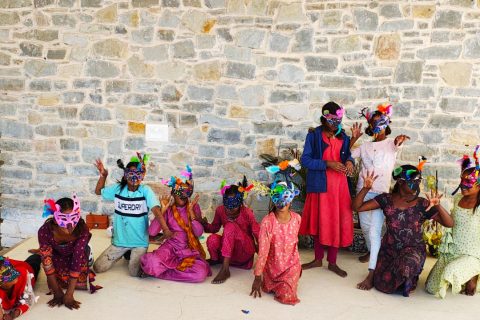
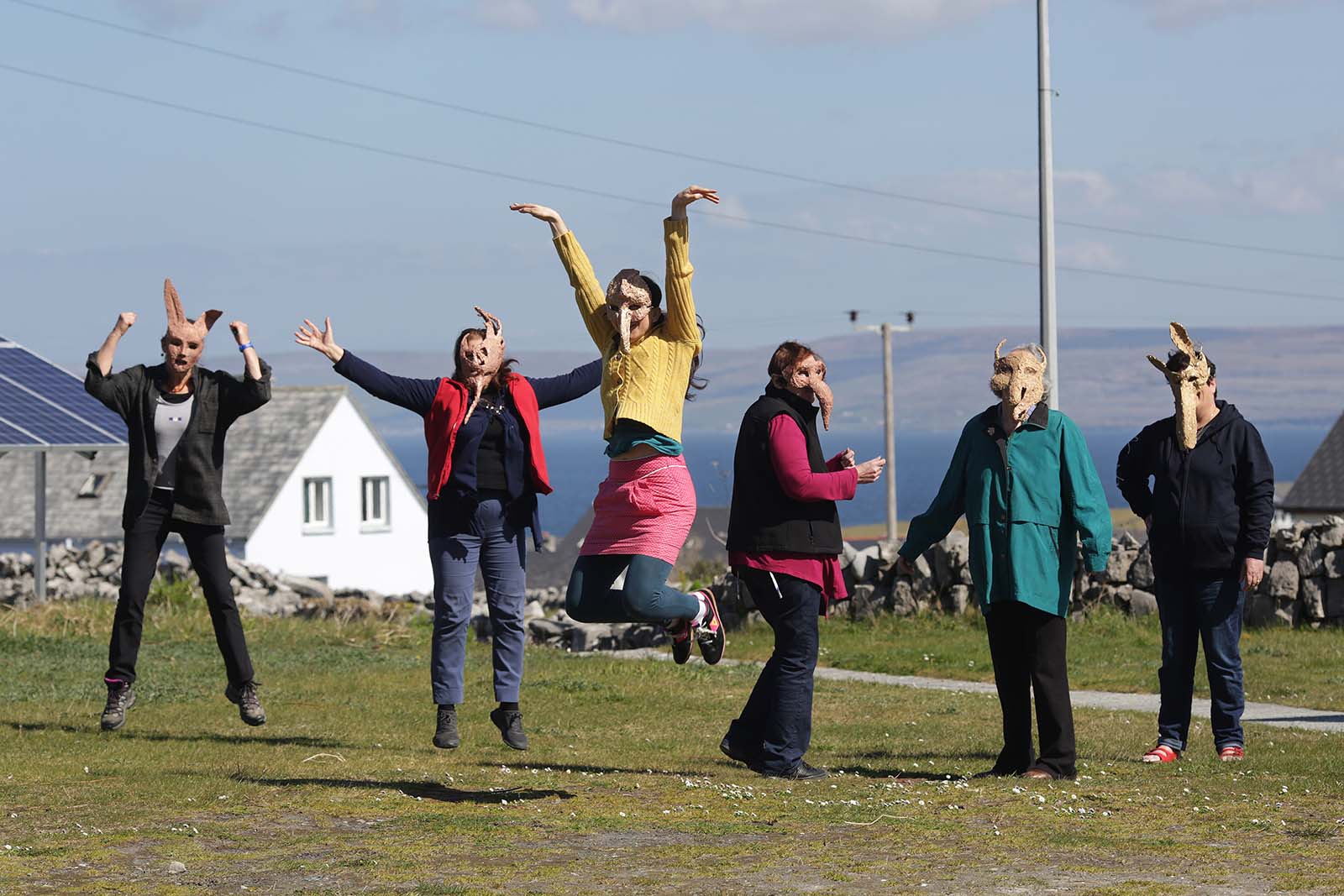
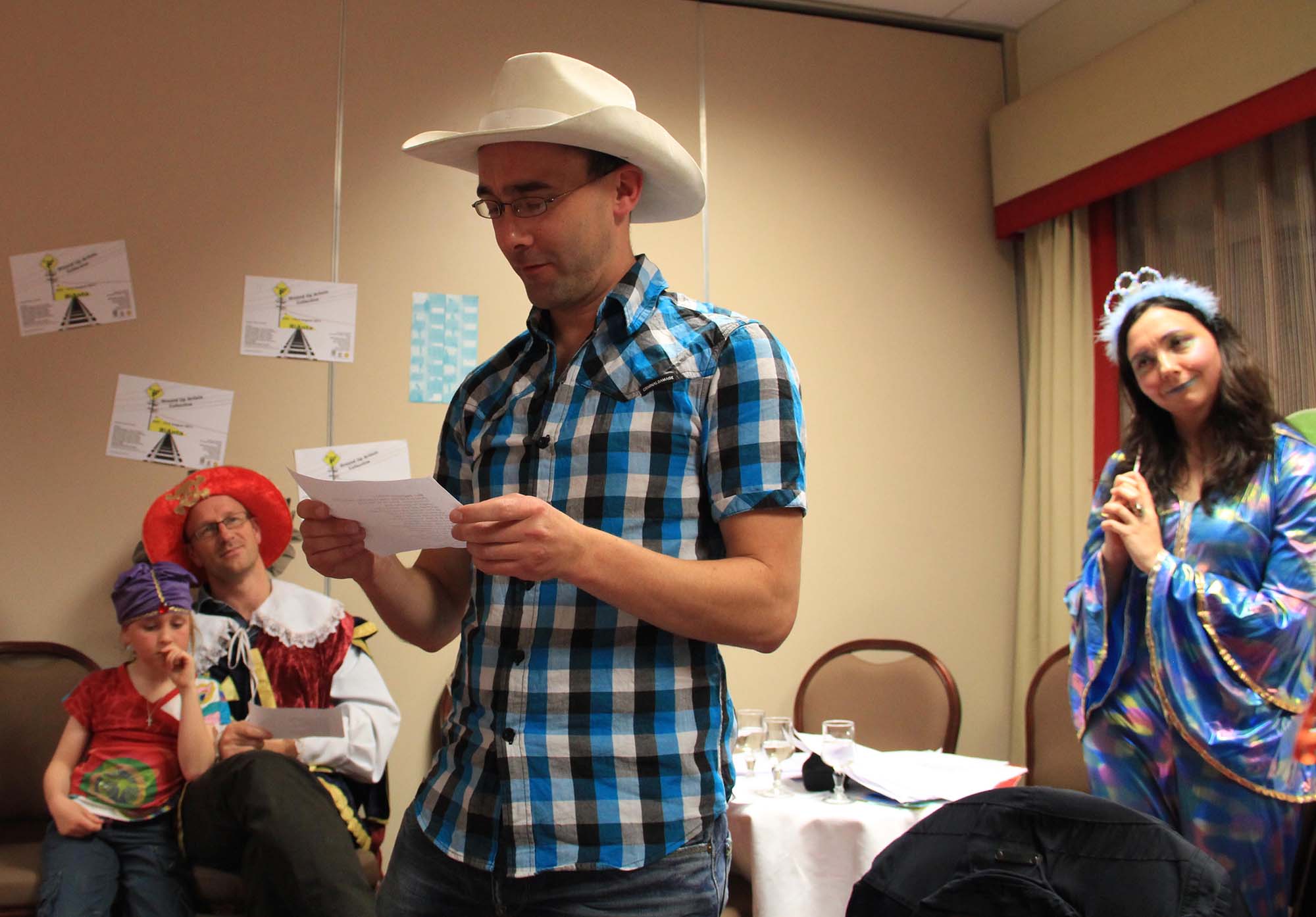
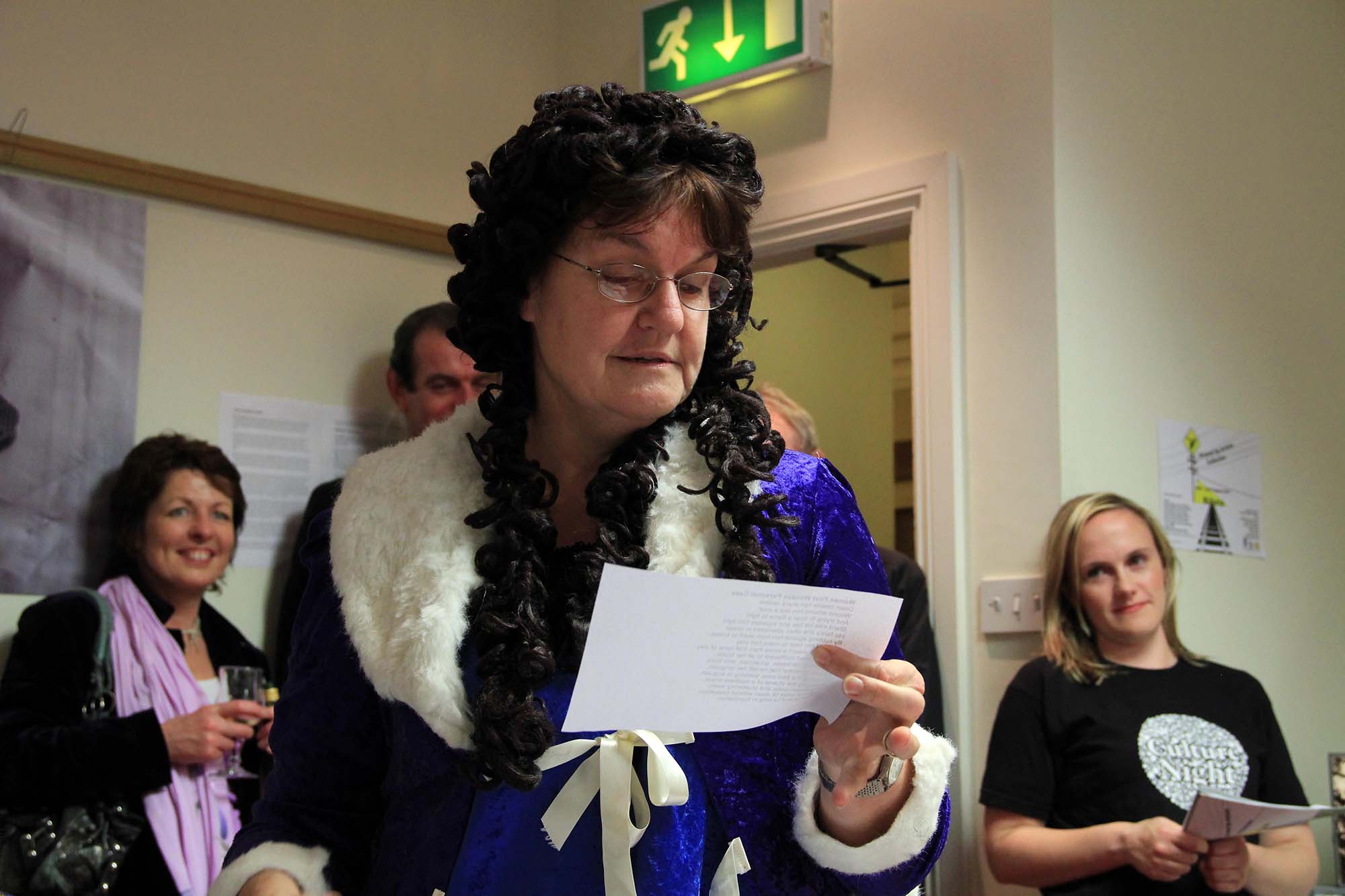
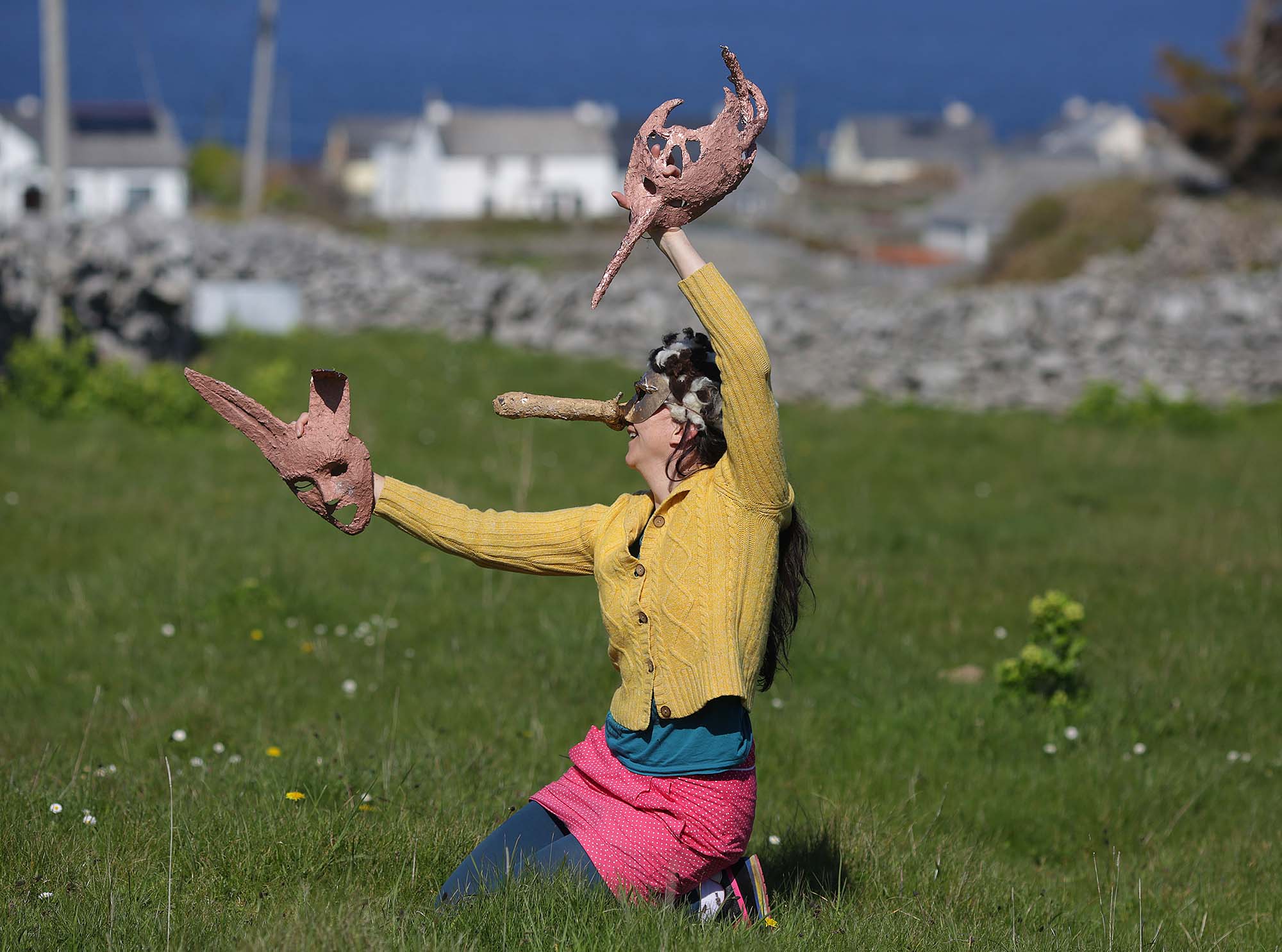
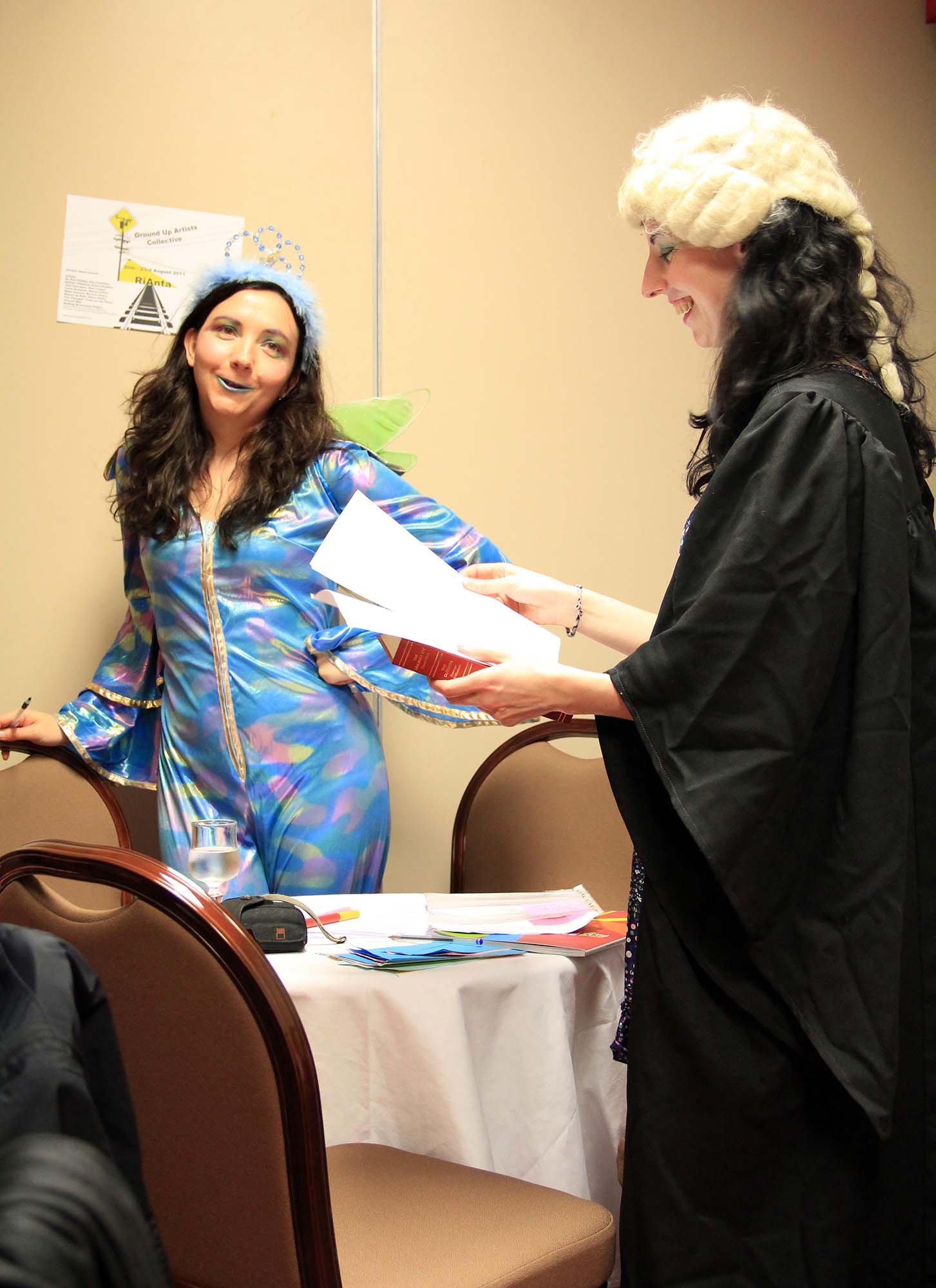
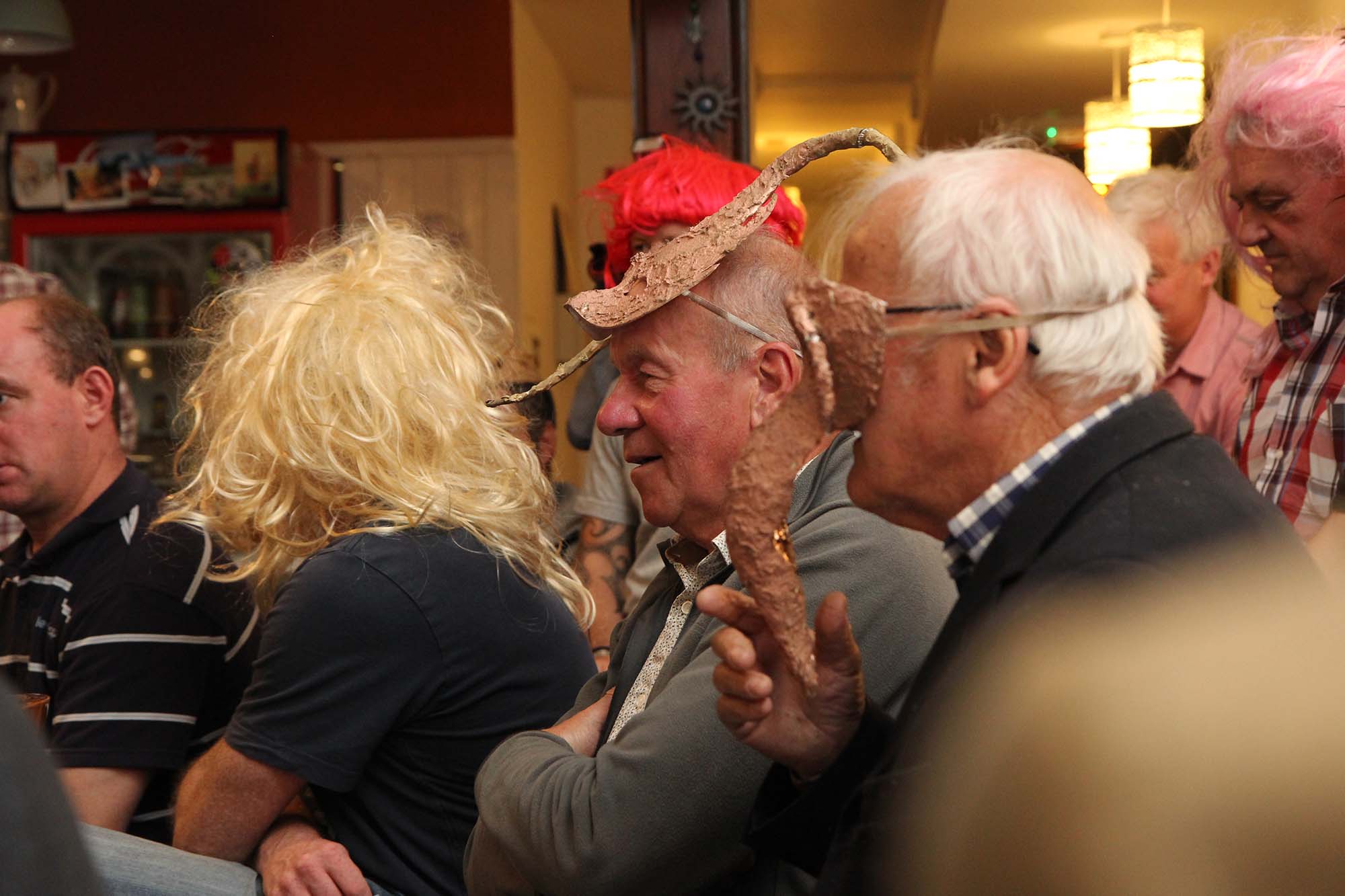
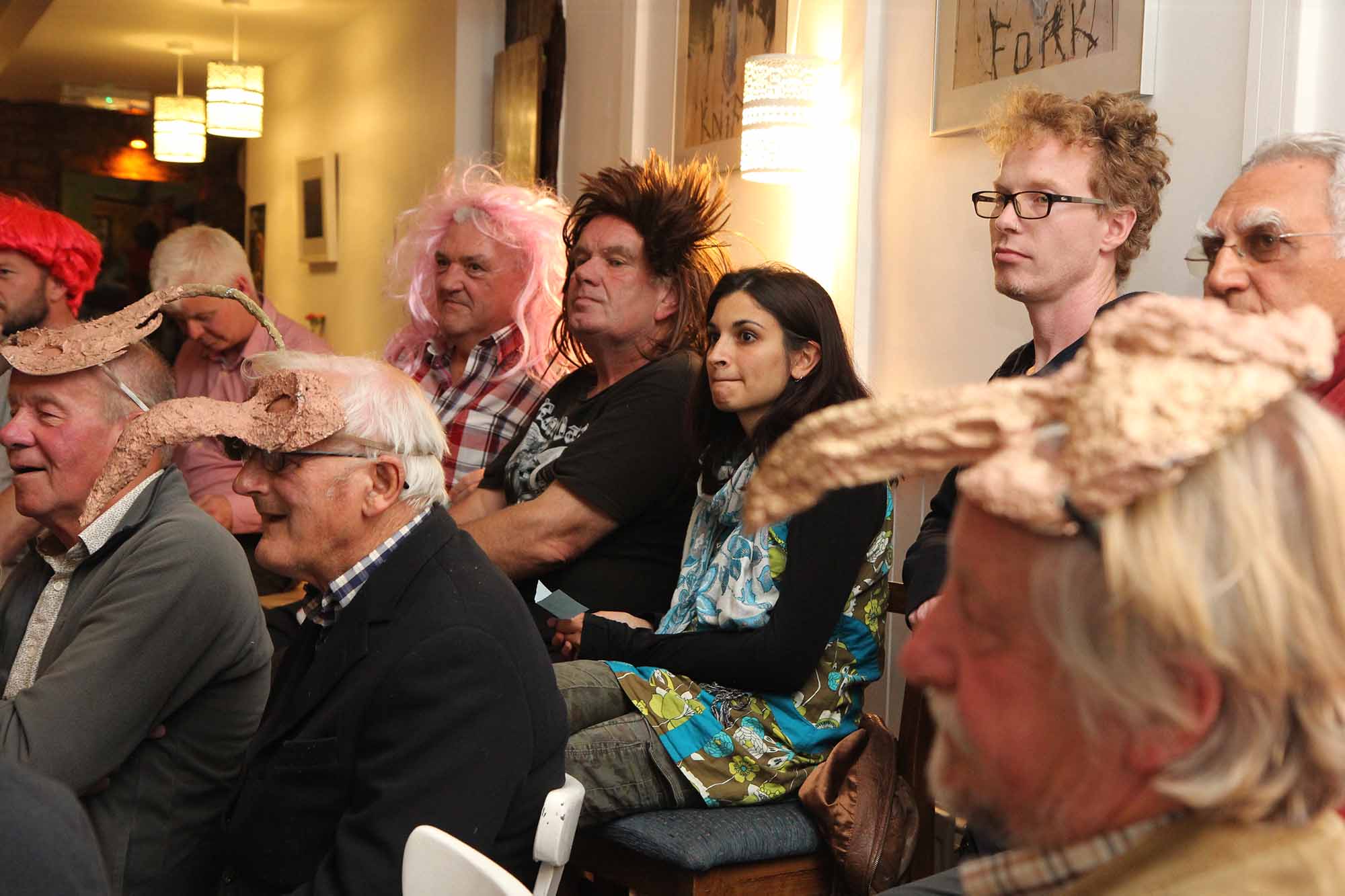
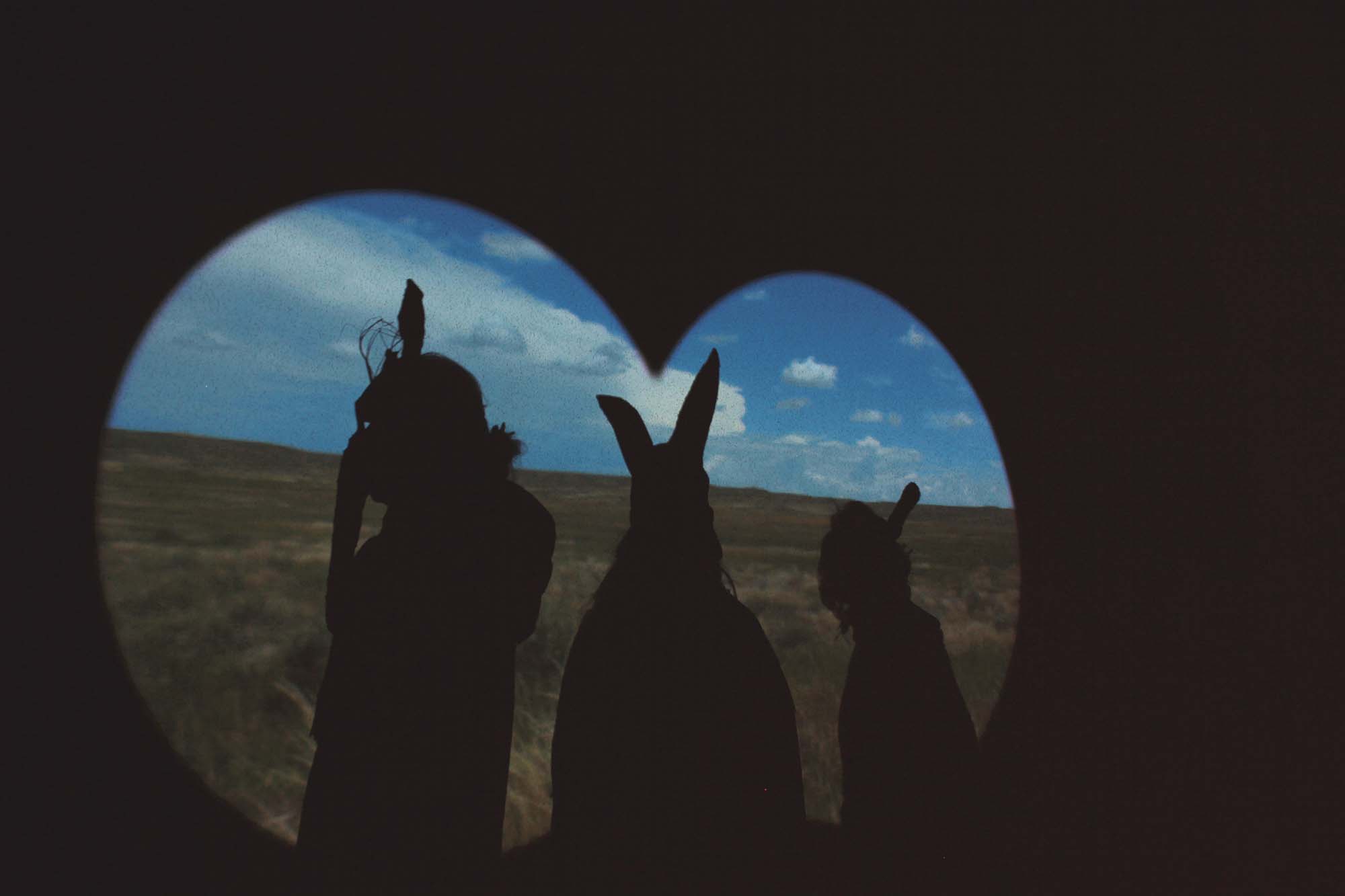
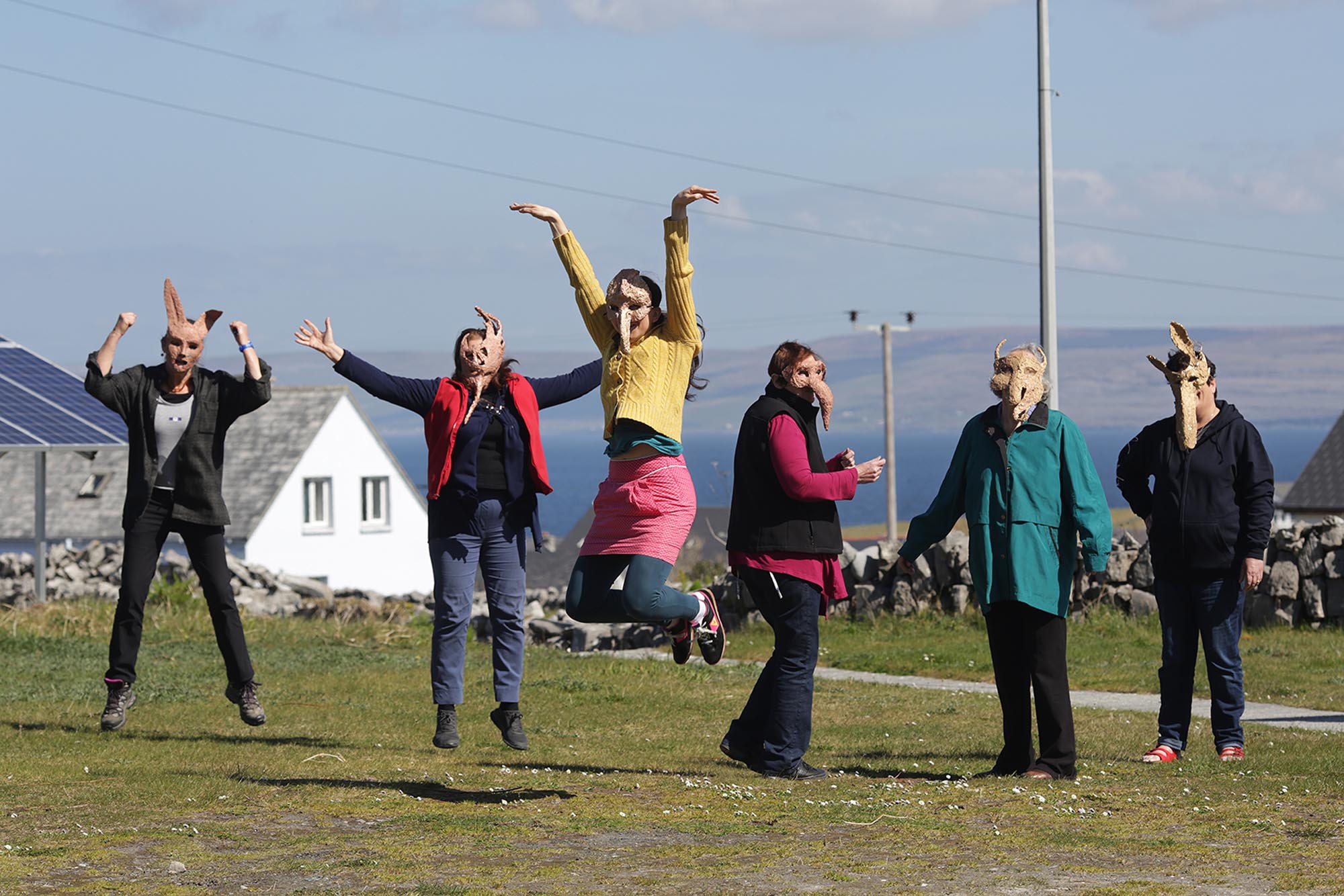
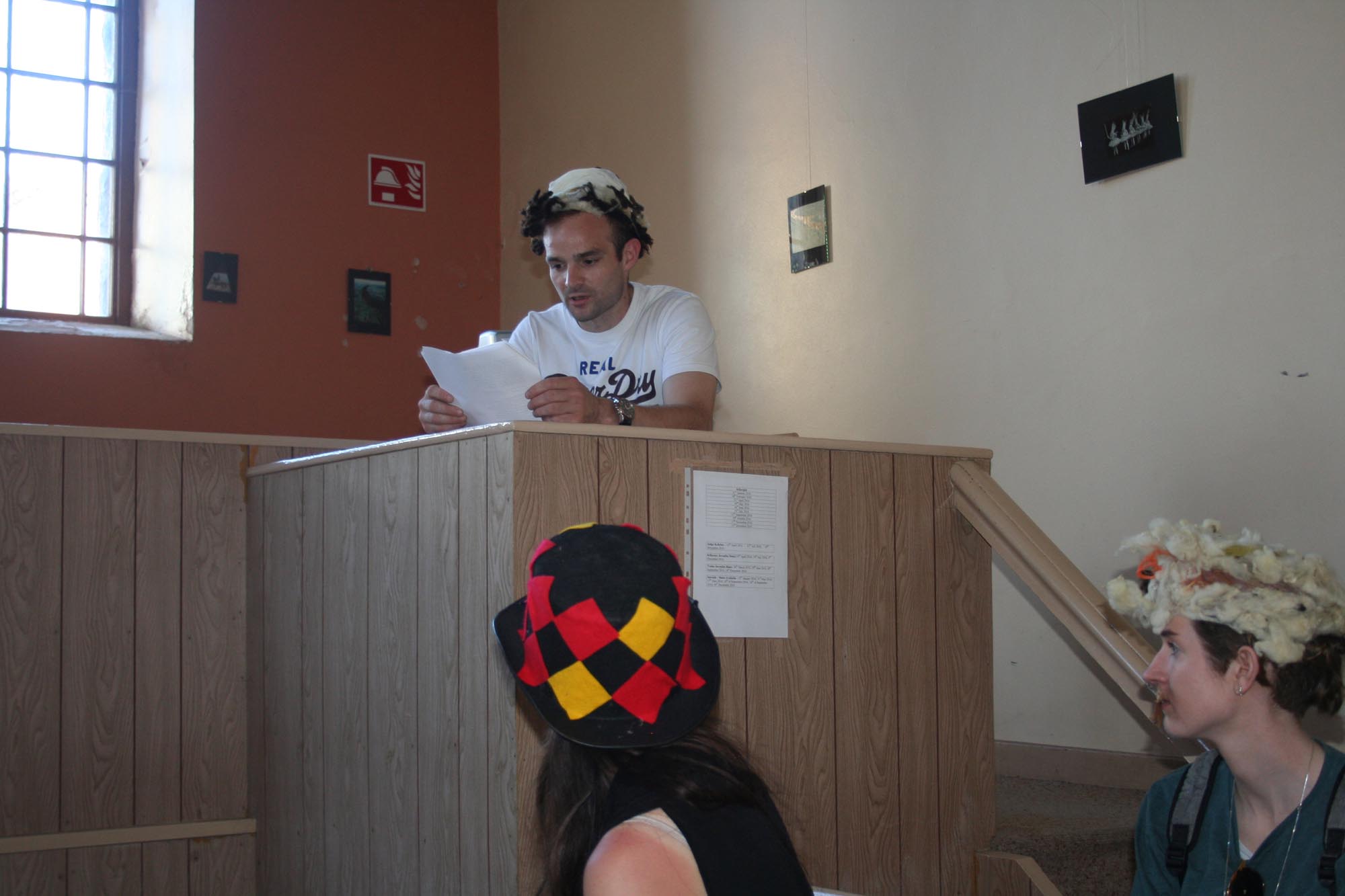
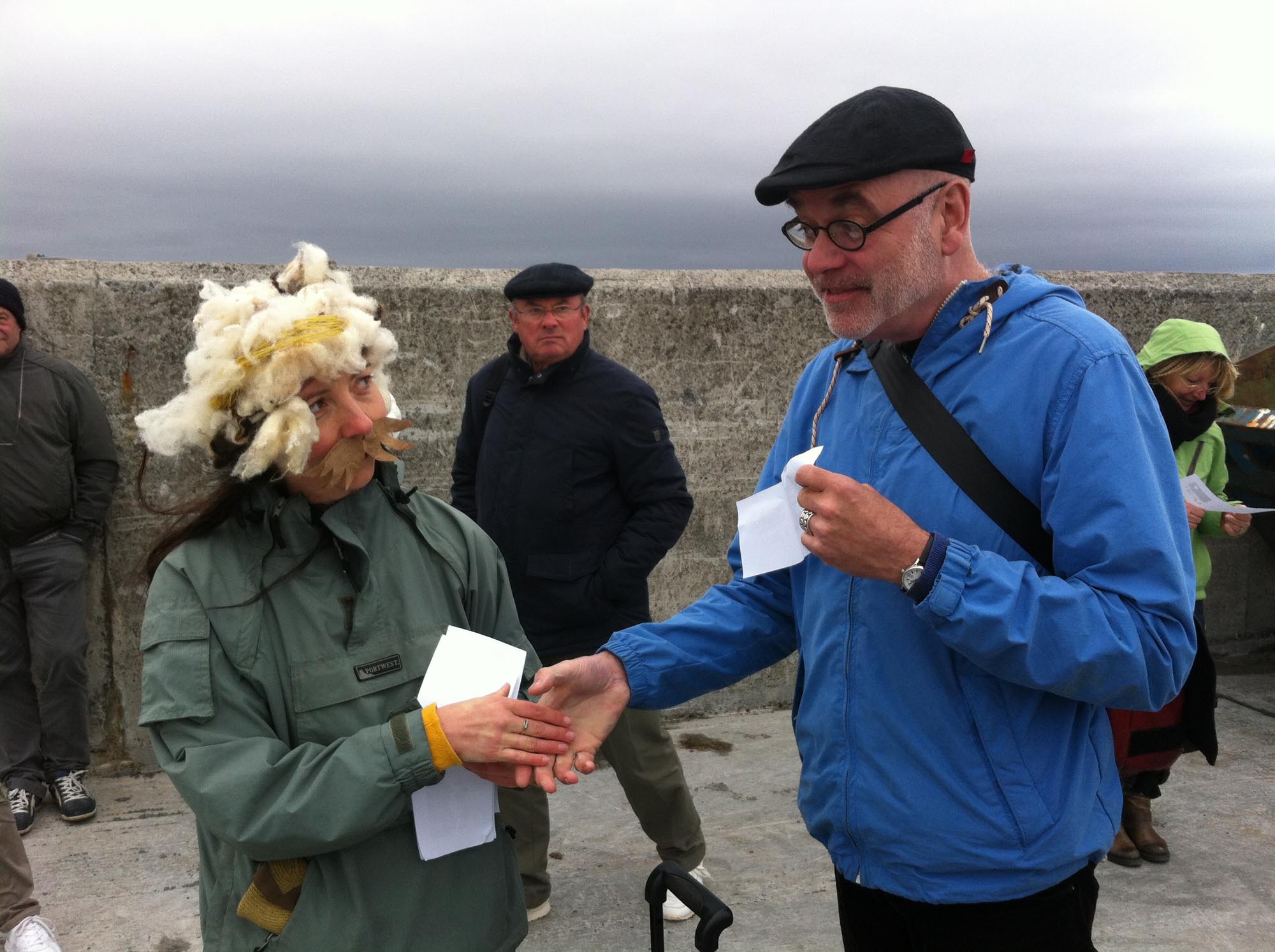
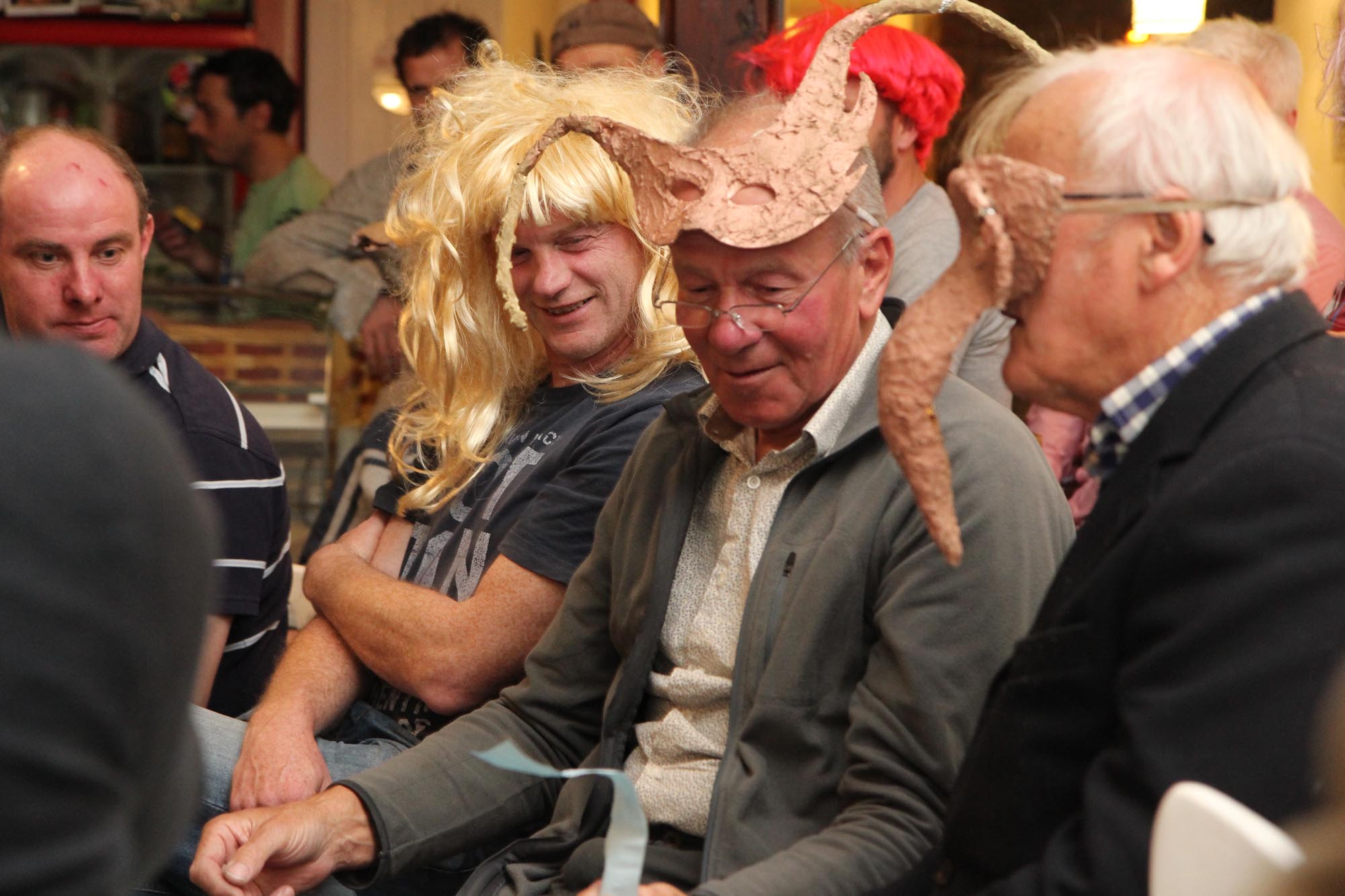
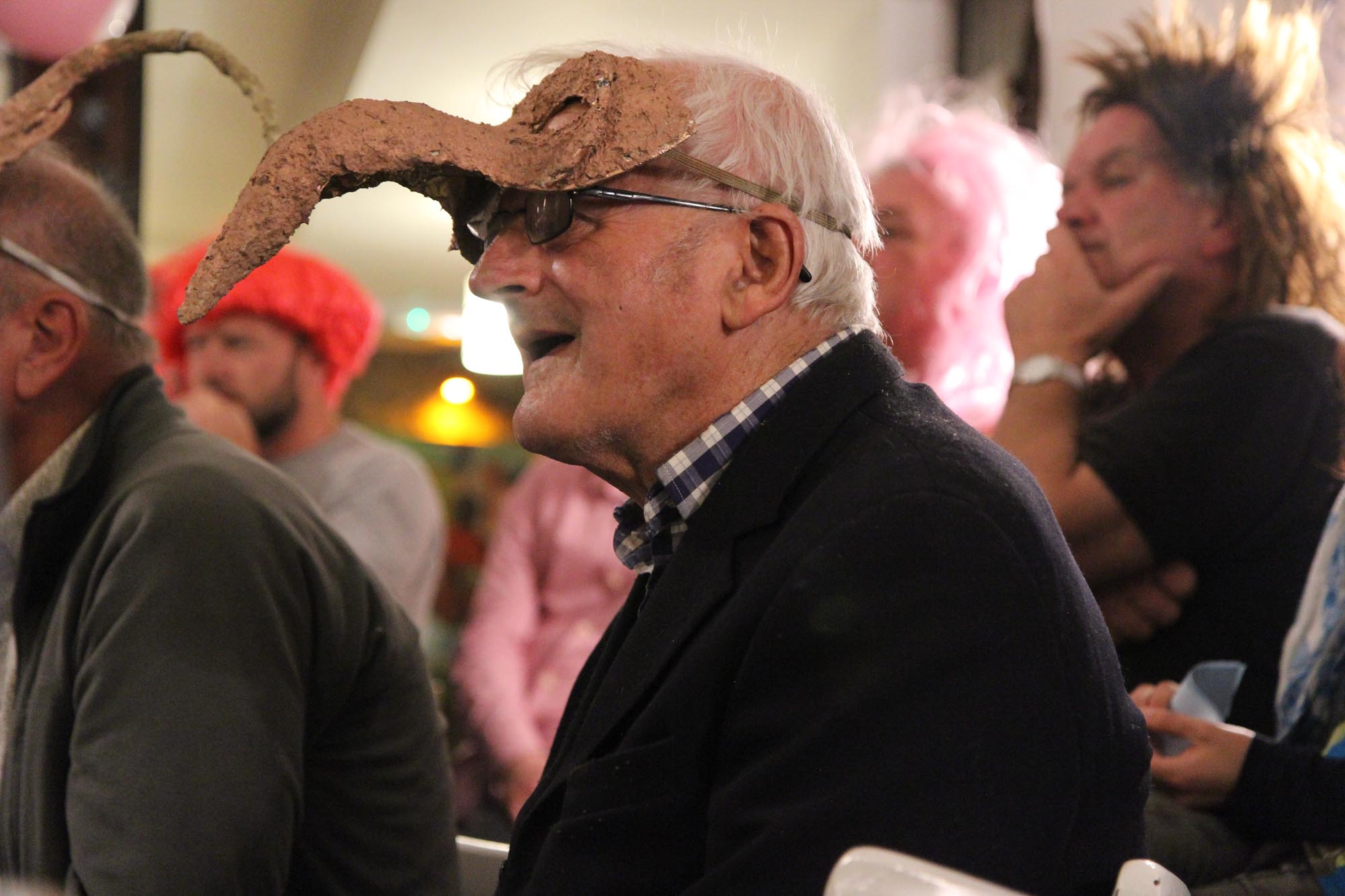
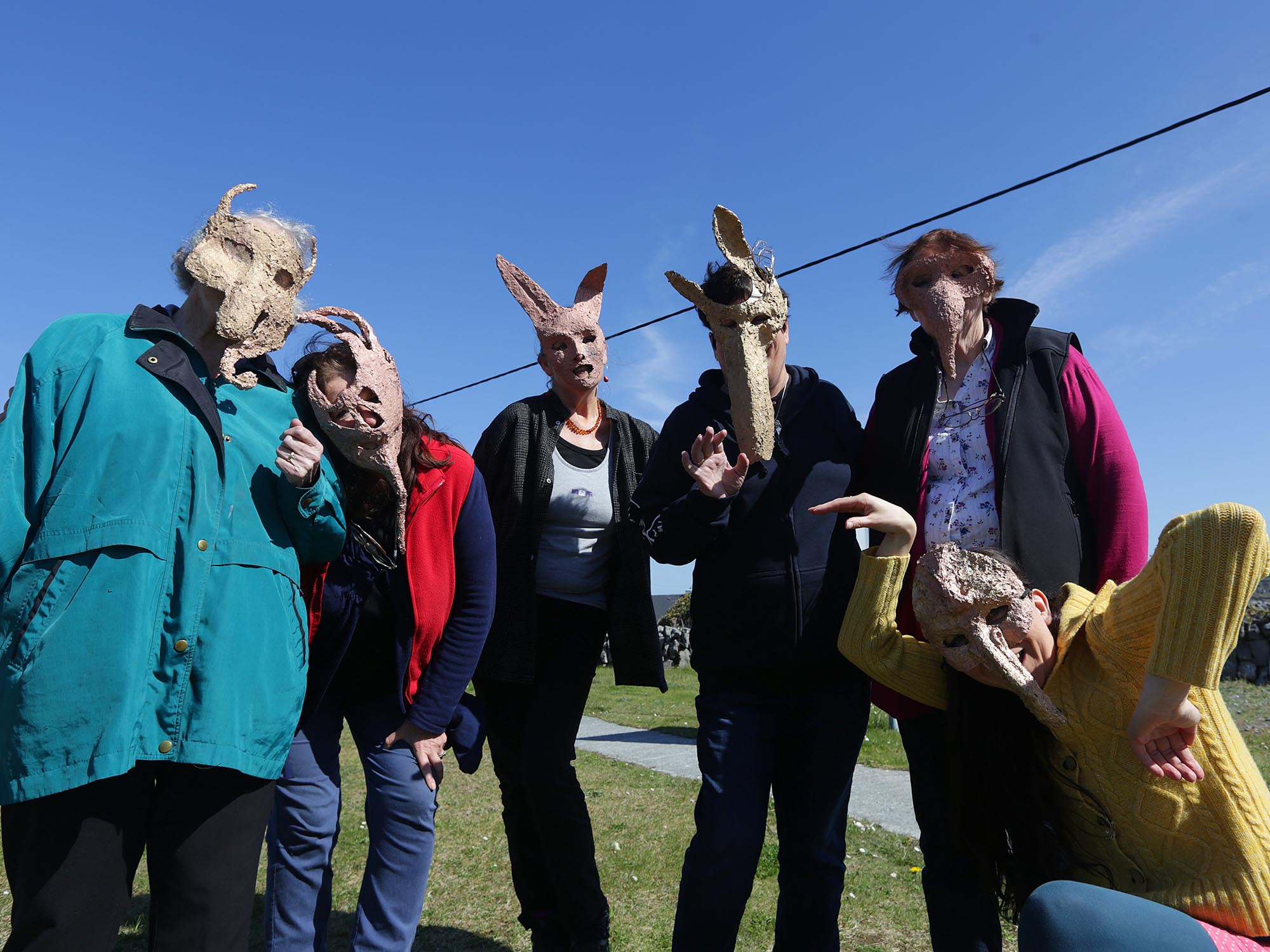
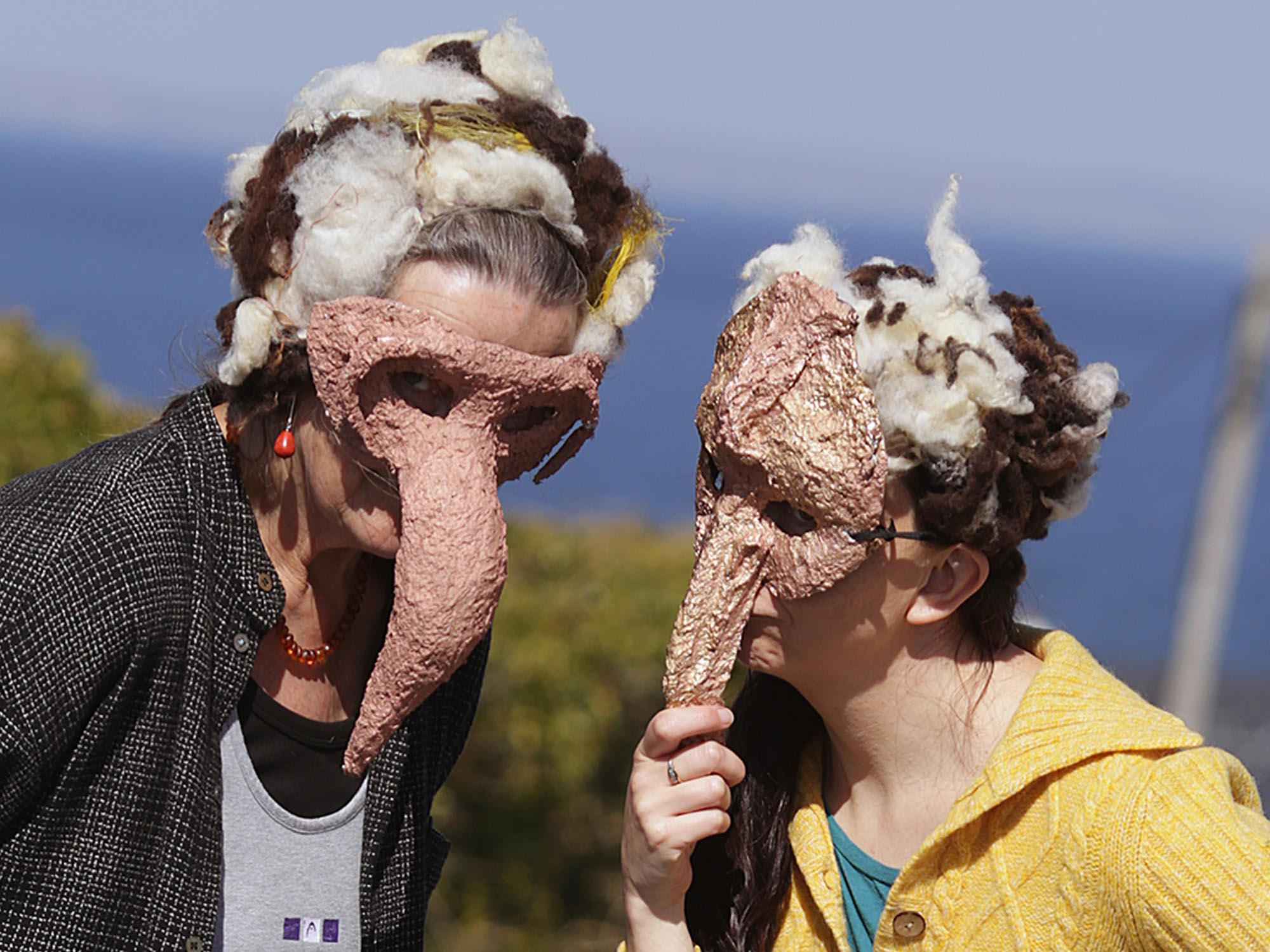
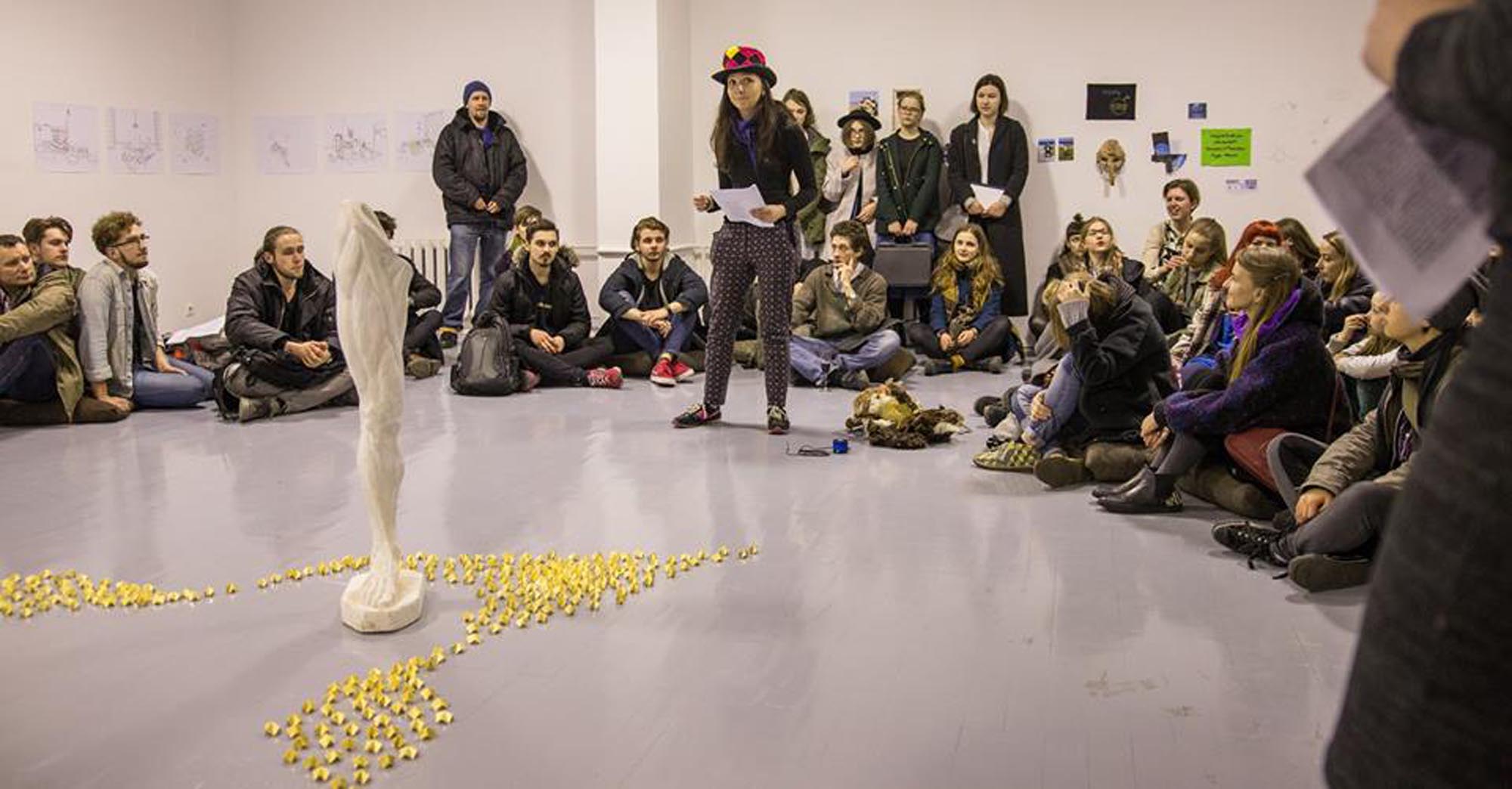
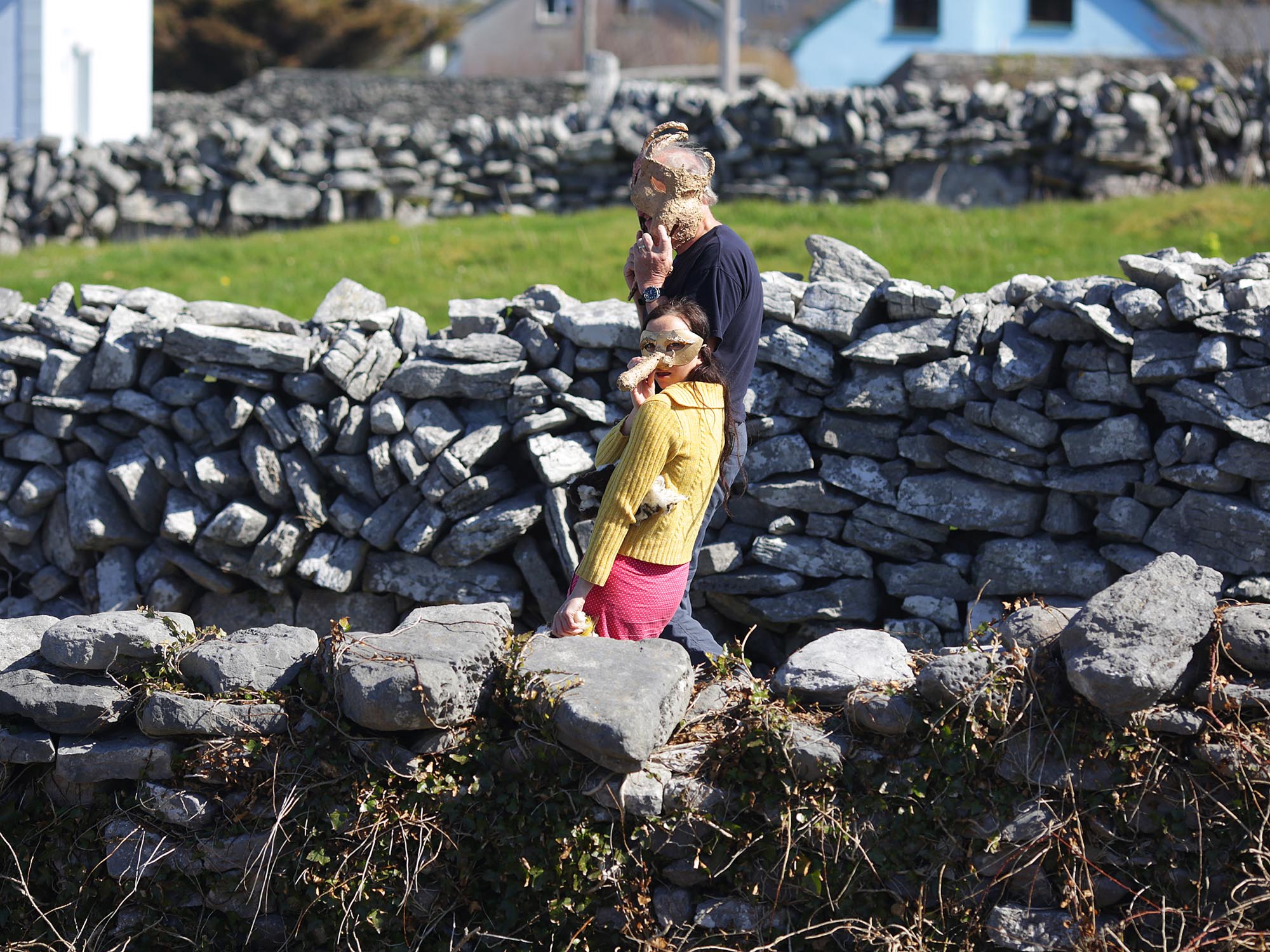
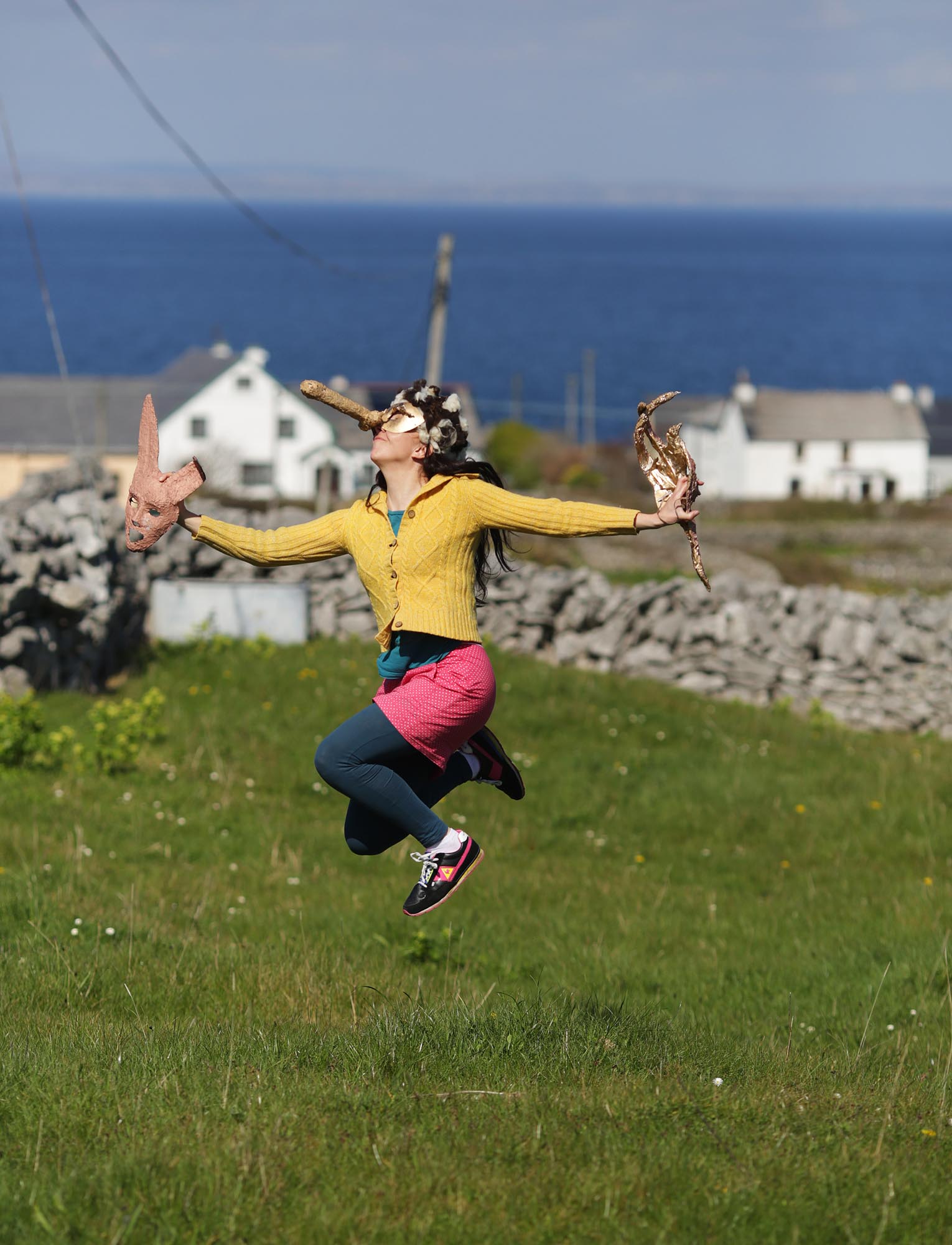
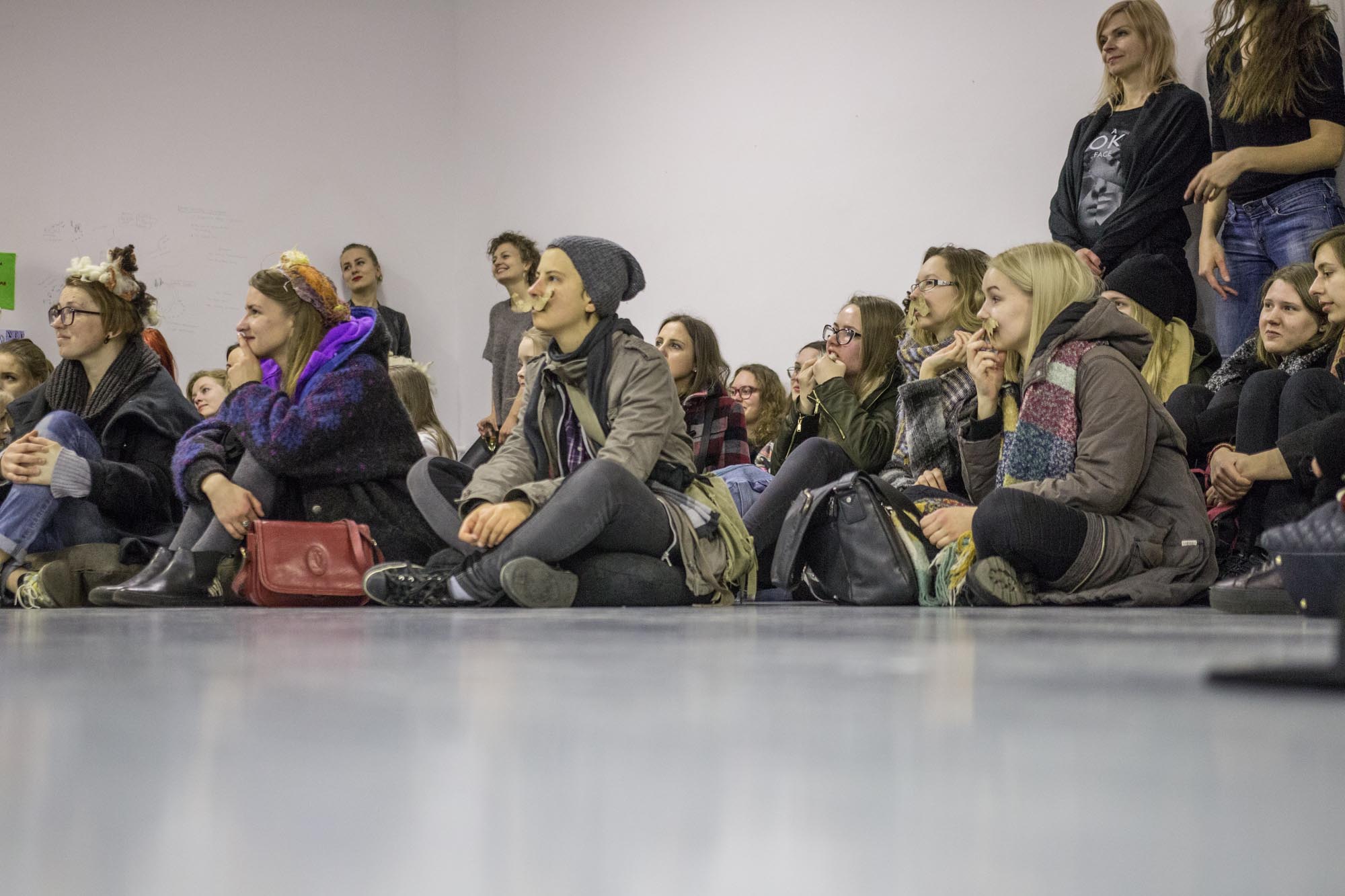
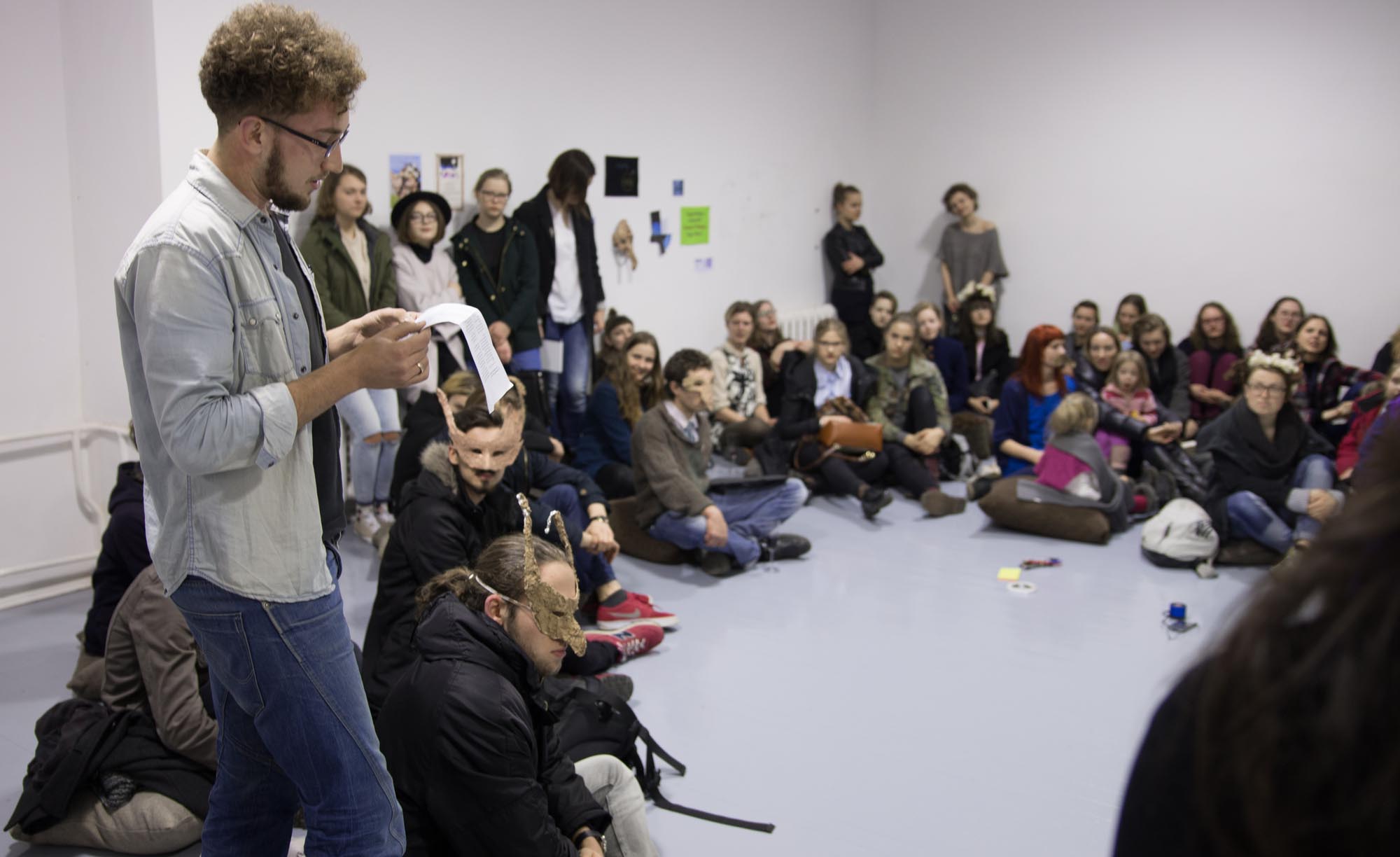
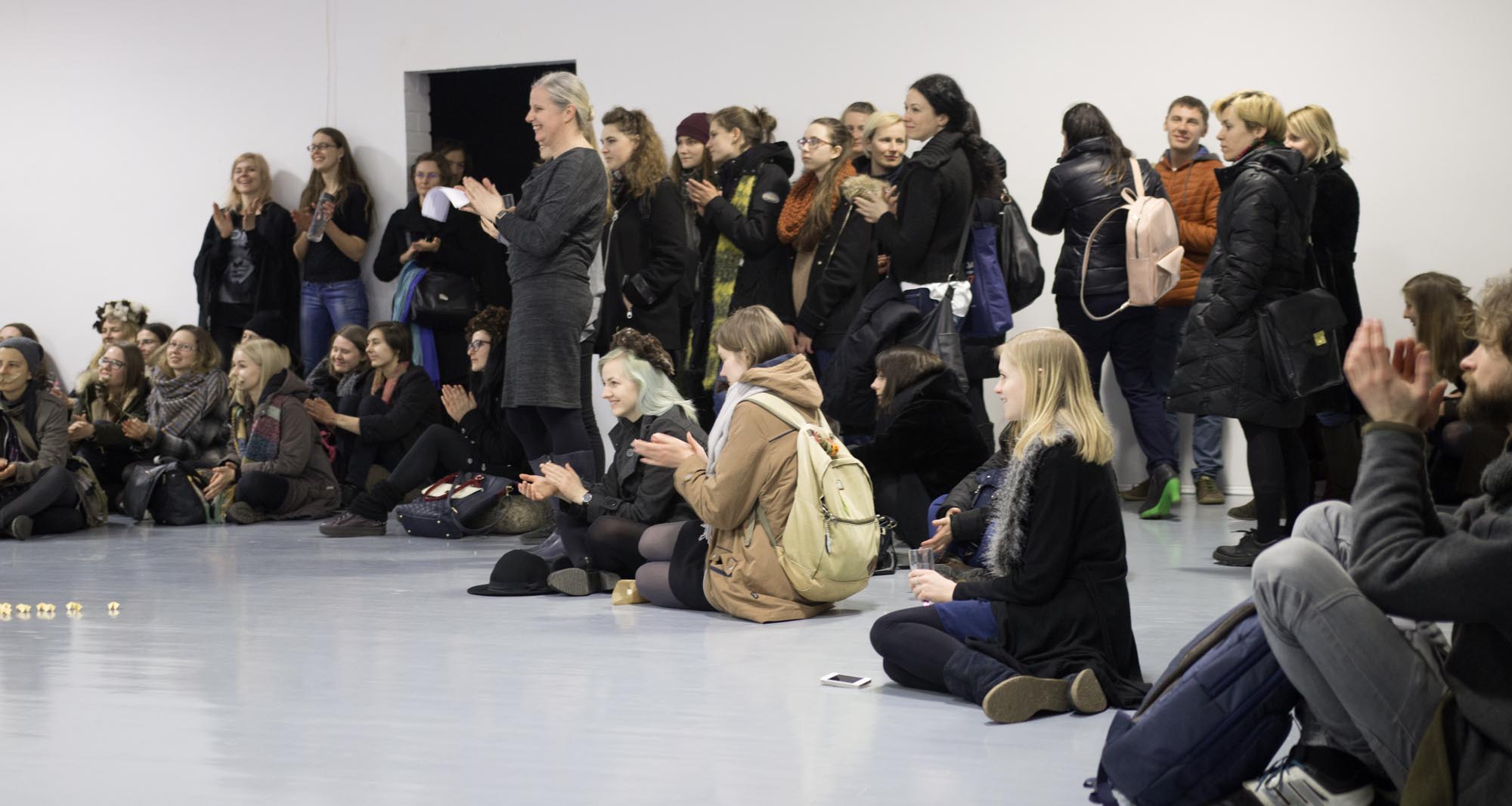
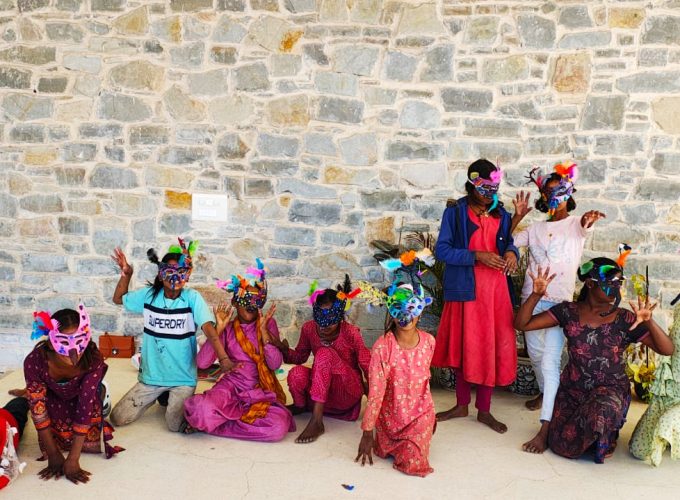
Attendees are summoned to the Court (sometimes by post) and selected thoughtfully, often in dialogue with questions embedded in the poem. Participants may take on roles of the opposite gender, speak the poem’s lines aloud, put forward cases, raise concerns, witness and respond to arguments, and dress up in carnival-style masks, wigs, and costumes. These playful exchanges allow an earthy conversation between the sexes, exploring relationships, power dynamics, and social norms through humour, song, and spoken word.
Laughter and Liberation
The irreverent yet non-offensive tone of the original poem is central to the experience. Personal testimony, call-and-response spoken word, and refrains drawn from traditional texts like the Sean ós, Óra Mhile Grá create an atmosphere where laughter becomes a liberating force, bridging gaps between genders and generations and allowing audiences to engage deeply while enjoying the drama.
Workshops and Collaboration
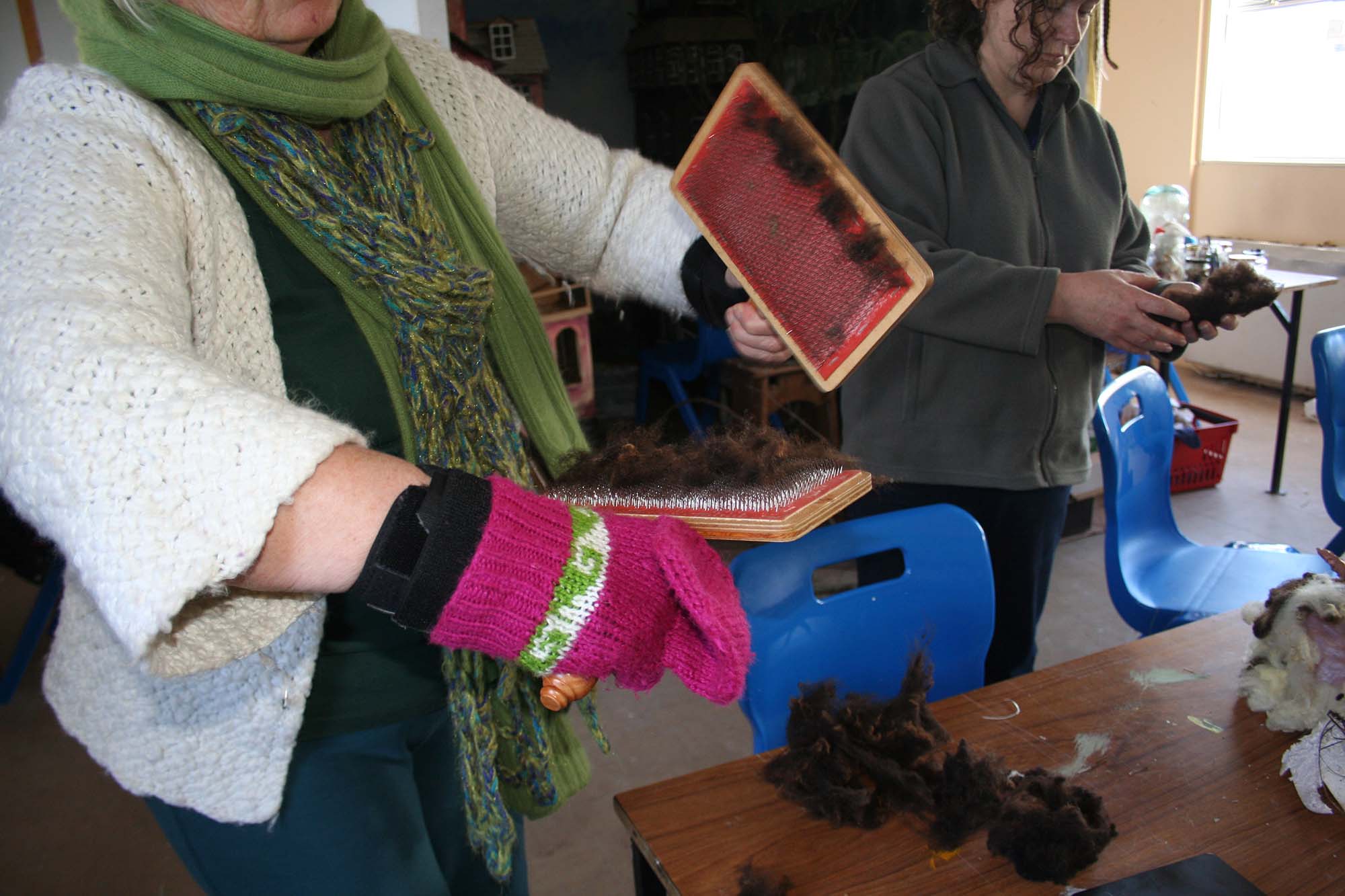
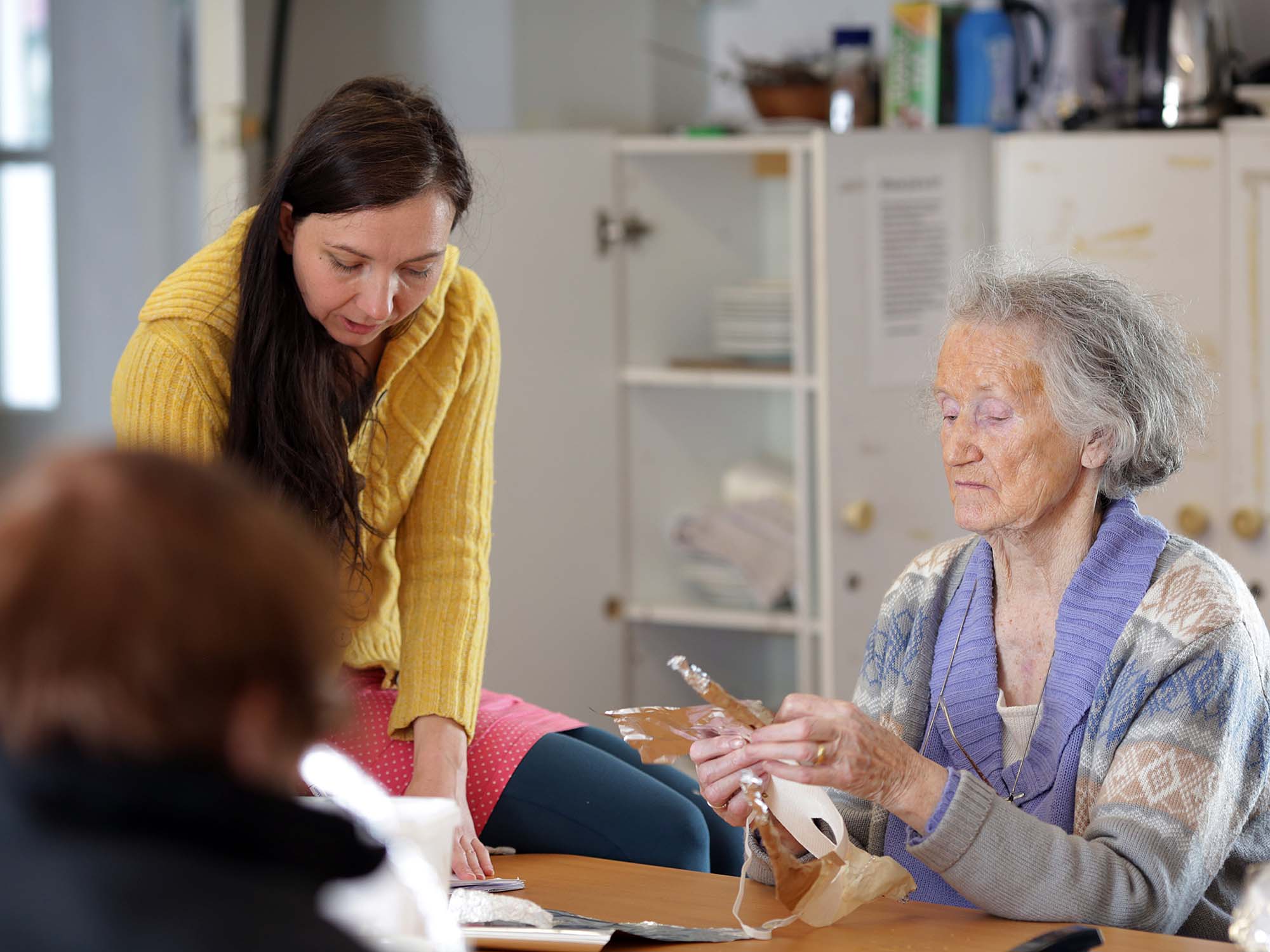
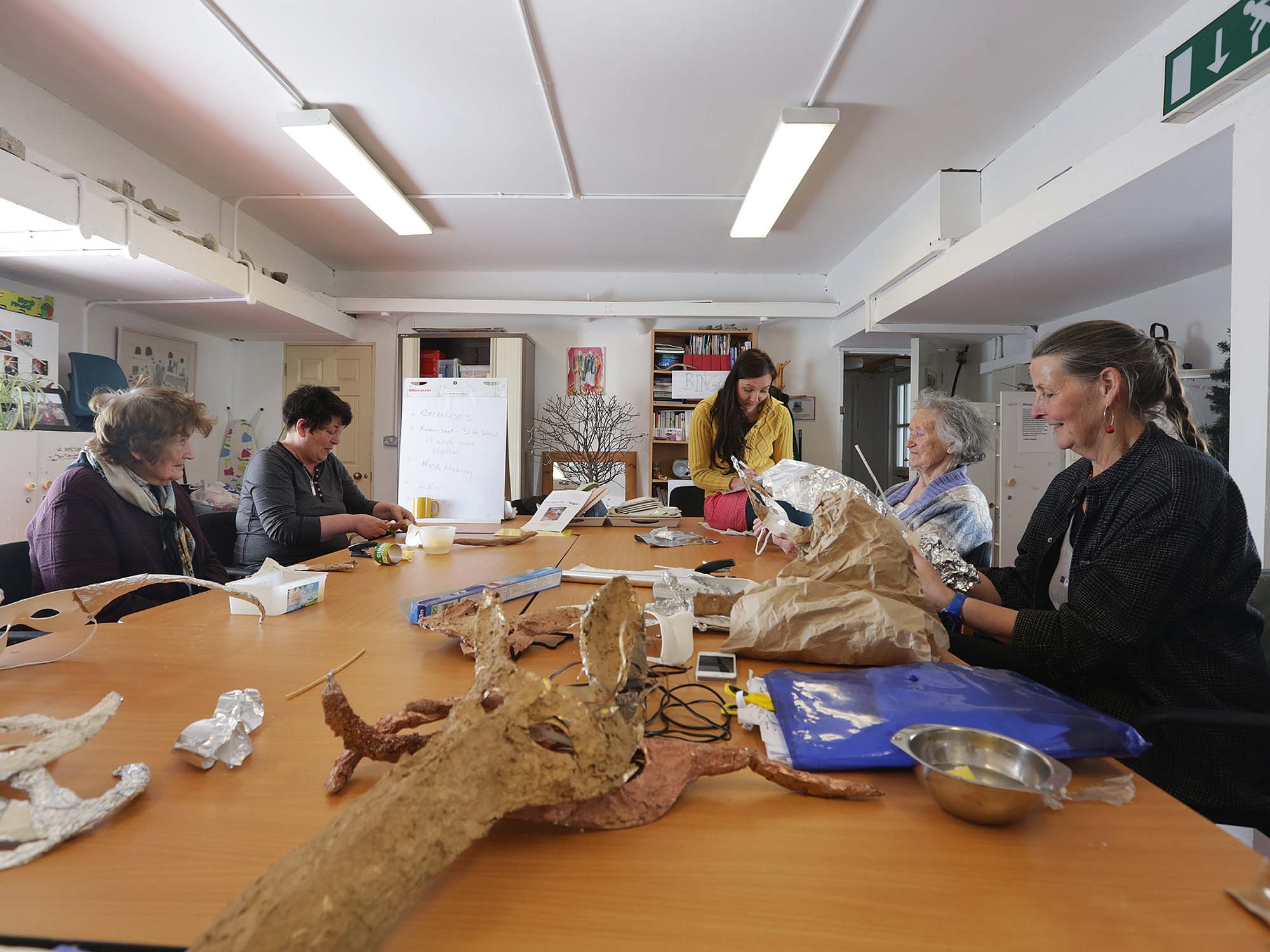
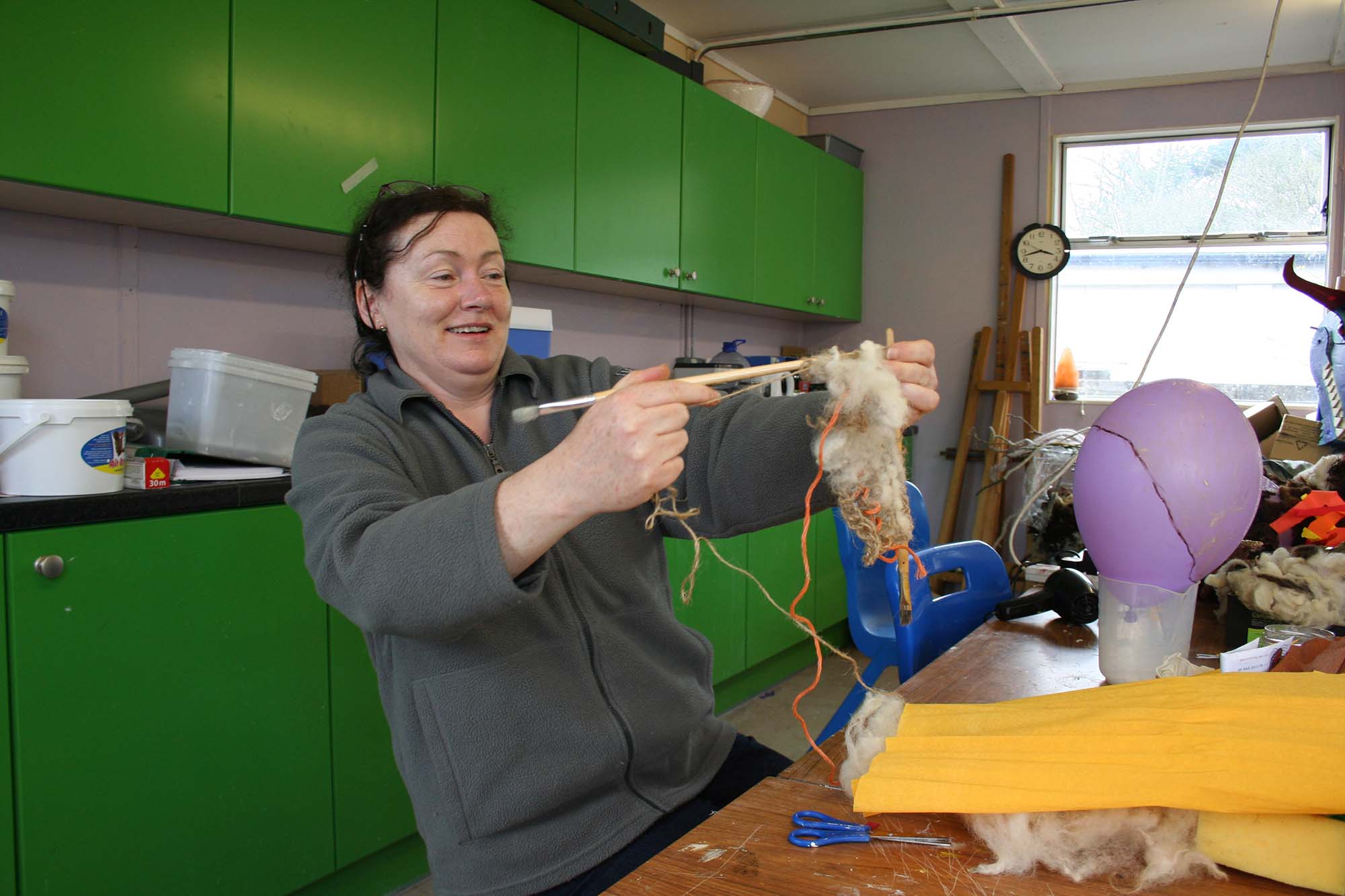
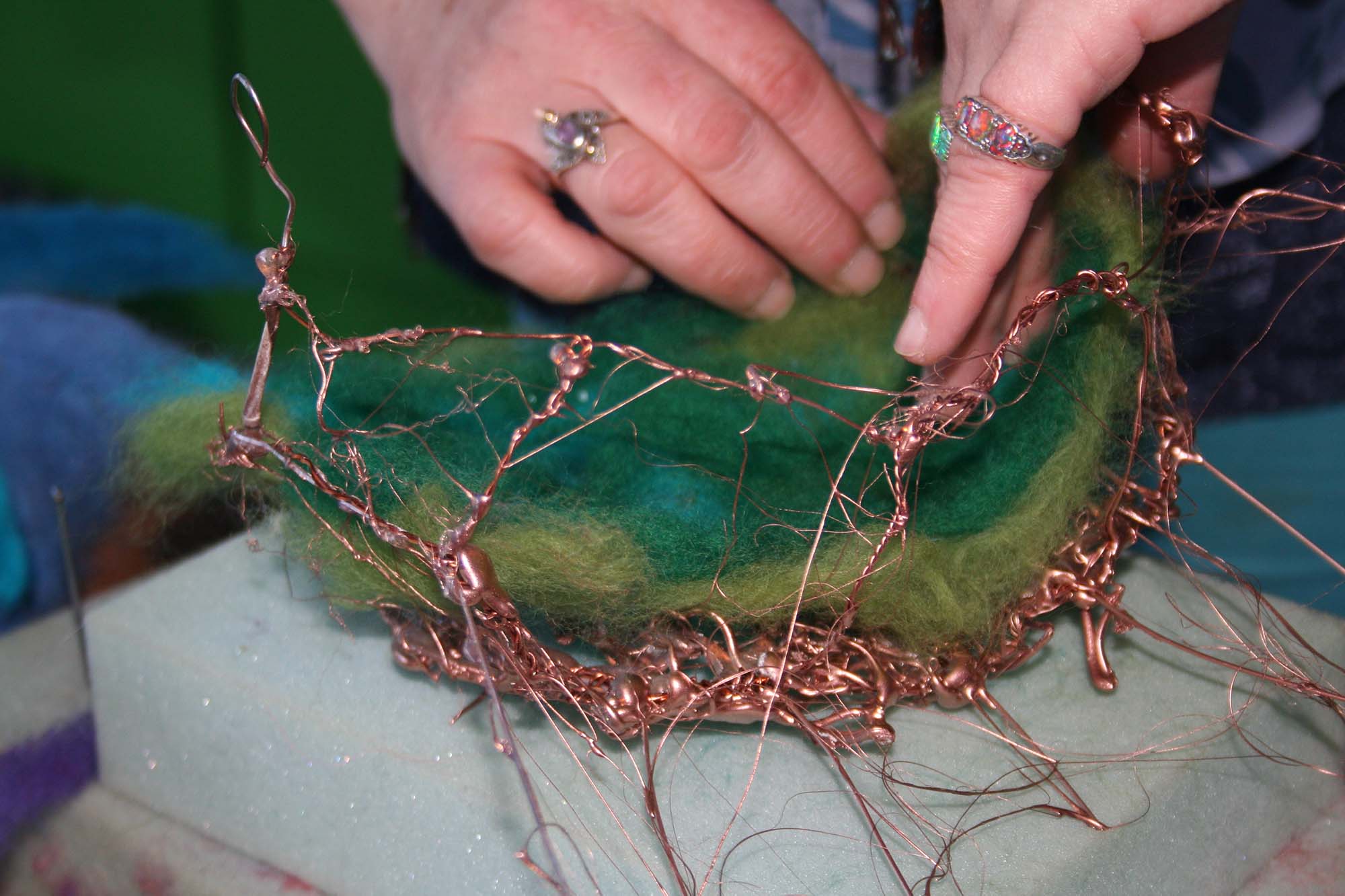
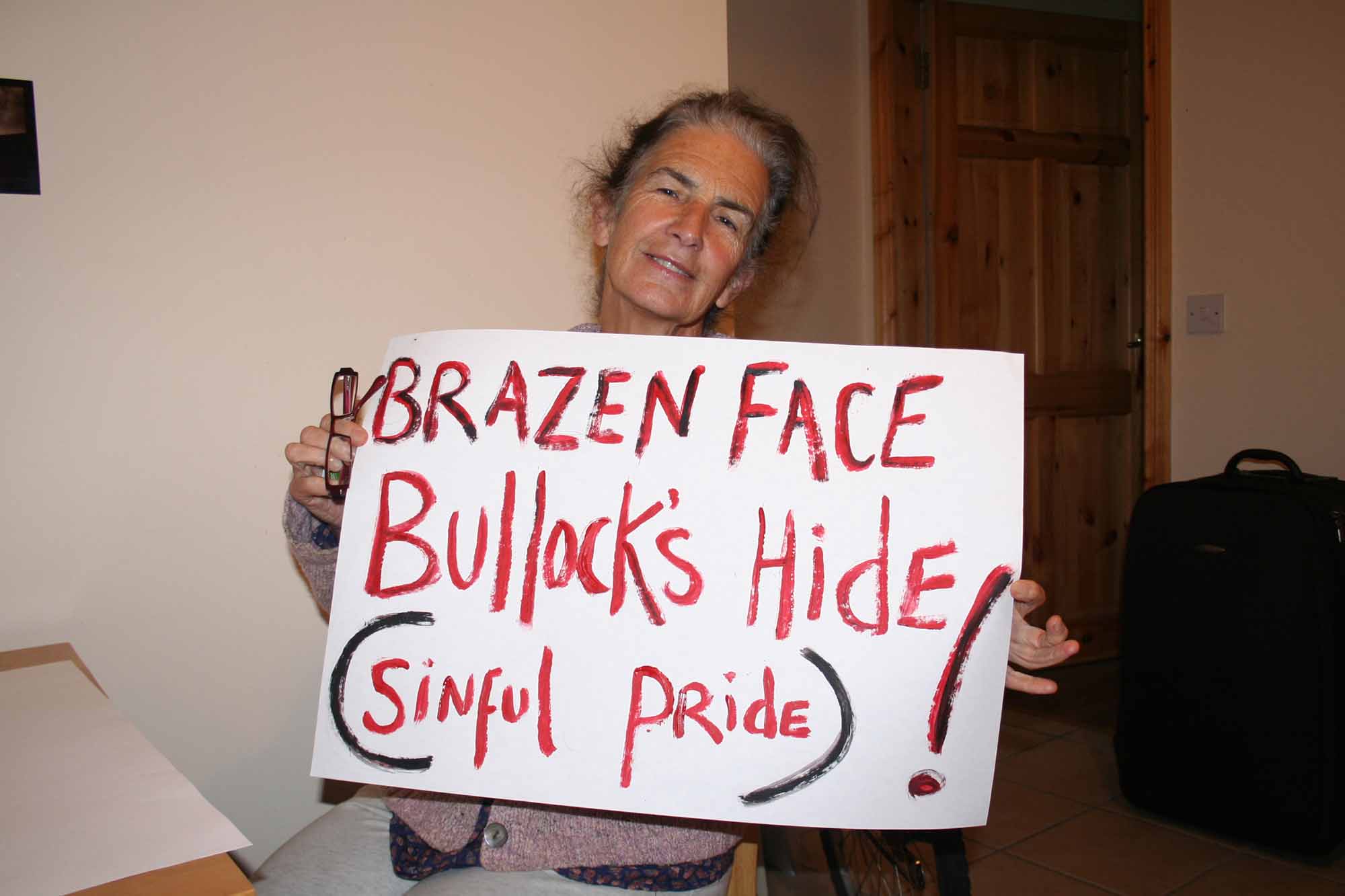
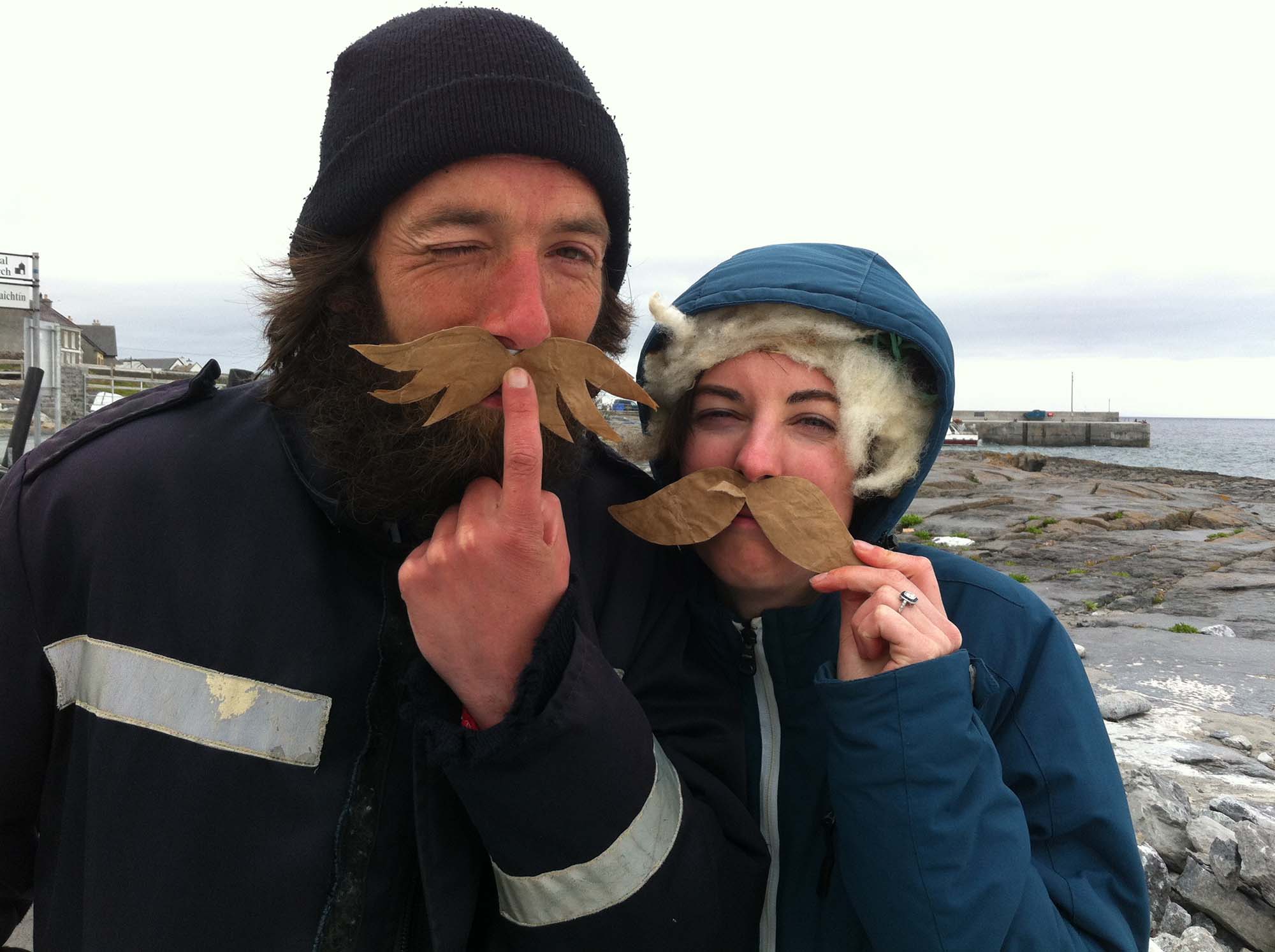
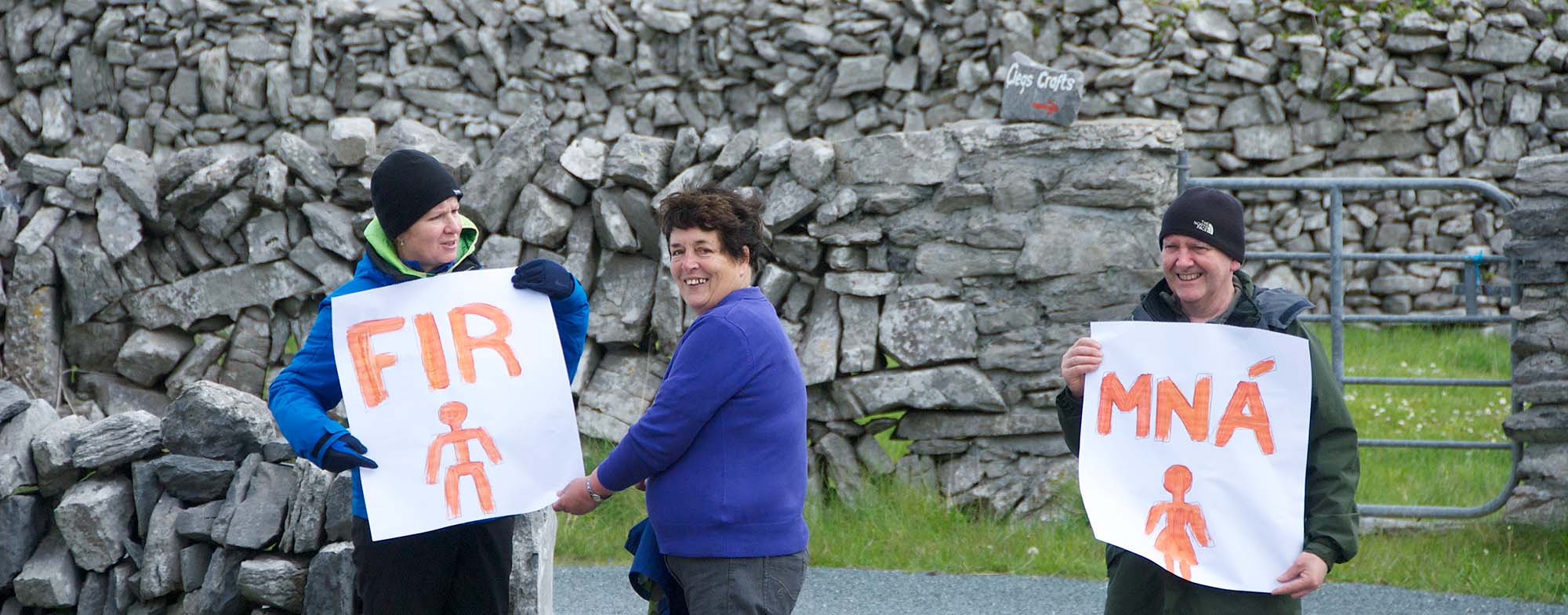
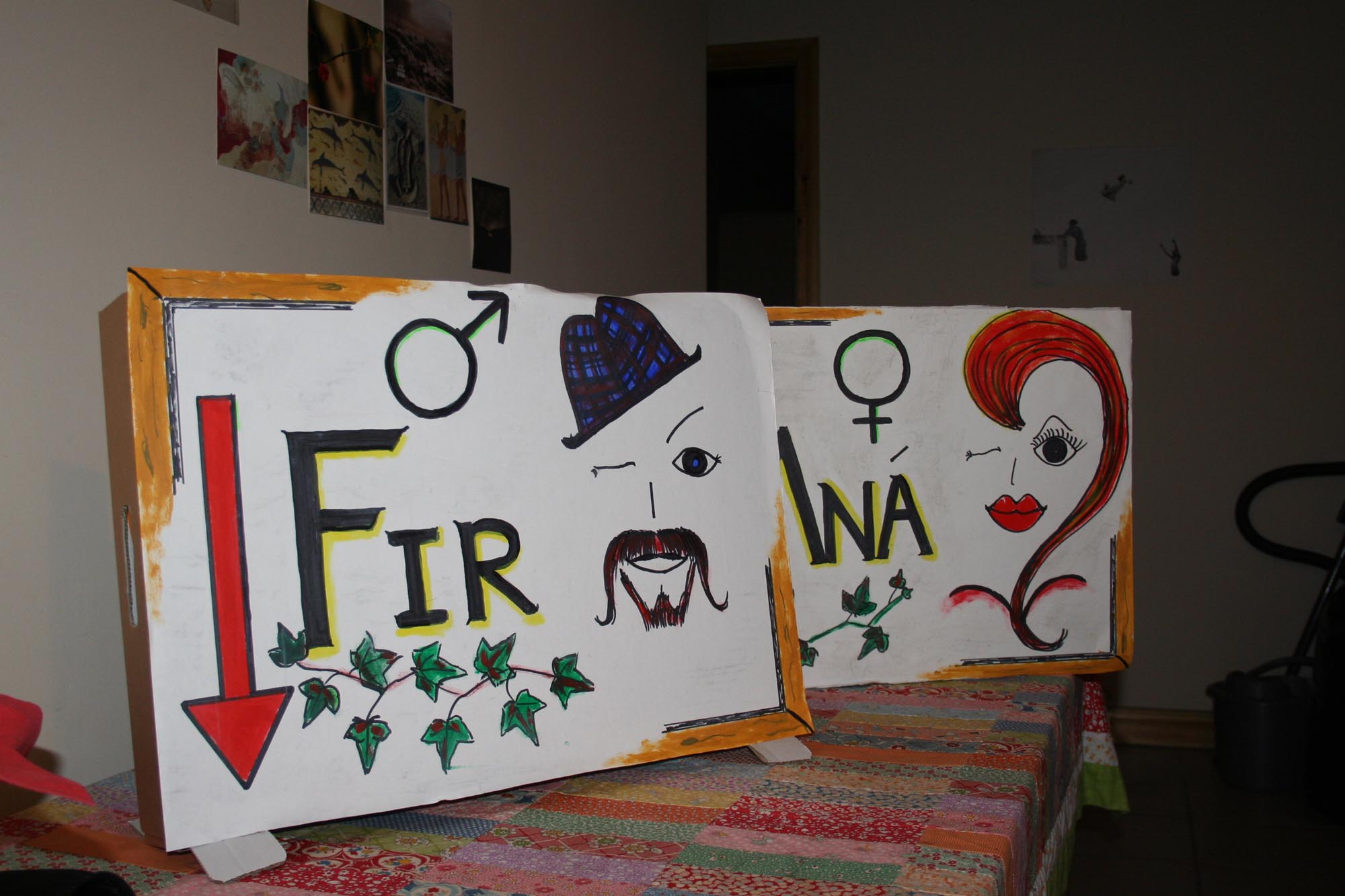
Each sitting is preceded by workshops where participants explore the poem, discuss the issues it raises, and create visual and performative elements such as masks, mumming hats, protest placards, music, and dance. Musicians, dancers, sketching artists, and community groups and individuals collaborate to make each sitting a rich, multidisciplinary experience. Discussions often continue after the performance, extending the drama and reflection into everyday life.
Voices from the Court
Participants contribute creatively to the performance. The poem Giantess, written by a local attendee, was read aloud, combining humour and social critique:
I have here, stuck to my club with a nail
a summons to the Court Of Queen Aoibheal…
YOU who in your defence will say ‘It’s a family I have and bills I need to pay…’
Rest assured there will come a day… That ‘Homo Sapiens’ will be the least popular animal in the zoo.
V.C.
A whirlwind of everyone minding each other…absolutely epic. — Rachel
Great Craic- real wild evening with every corner of the community and full expression of the texts and essence of Cuirt an Mhean Oíche. Maith sibh. — Andrieus
What I found really really impressive was how a poem form the 18th Century is still so pertinent and relevant today, all the issues were in the room. – Ciarán McKinney, Head of Arts and Culture, Age and Opportunity.
The theatre piece is a participatory performance and there was positive inter-generational exchange. A fun and thought provoking night was had by all. – Muireann Ní Chonaill, Arts Officer, Laois County Council.
Past Sittings
The project has been staged across Ireland and internationally 14 times to date, including
Kilfenora, KFEST Kilorglin in an old courthouse to consider how people police each other,
with teenagers in Ennis to tease out equality issues in sports,
Inisheer, where it was translated by Comhrá na nÁosach older people group with Máire Uí Maoiléain and performed in Inis Óirr Irish dialect, as a way to preserve curse words in the Irish language.
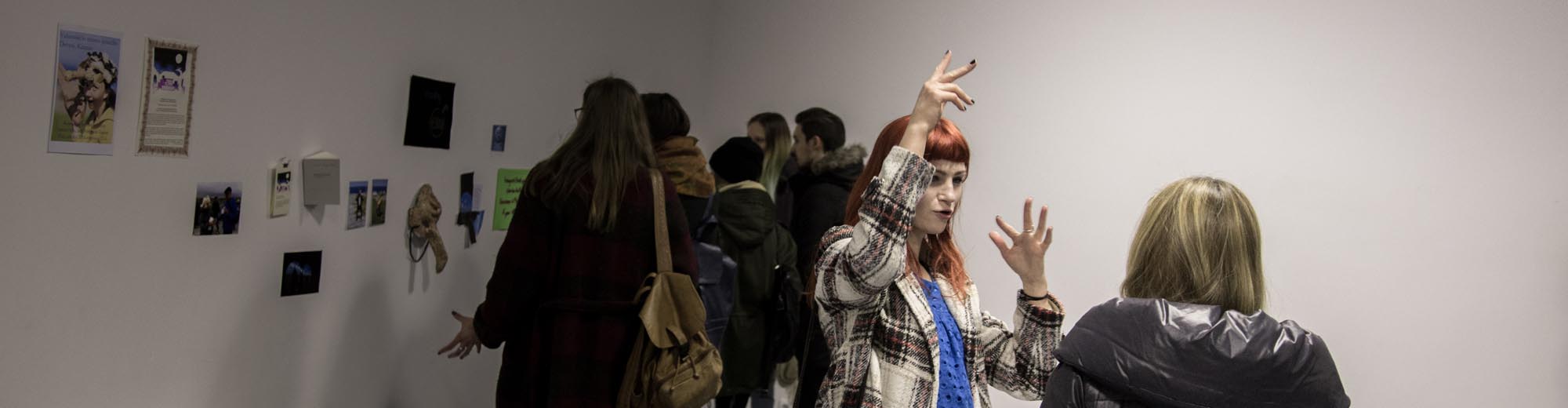
Post Gallery Kaunas with a singing refrain in a nod to the singing revolution (Lithuania), and in Enderhousen (Netherlands).
Each sitting evolves with its participants, creating a living, socially engaged performance that blends literature, humor and civic dialogue.
It has been possible through ppartnerships, collaborations and awards including, A Seedlings award from Bealtaine Festival, Age and Opportunity, support from Áras Eanna Arts Centre, Clare and Laois Art’s Offices, Creative Communities awards, Stradbally Arthouse, Údaras na Gaeltachta, Ealaion na Gaeltachta, Ground Up Artists Collective, Culture Night, Laois Domestic Abuse Services, Mary’s Community project-Limerick, artists Marie Connole, Maire Ui Mhaoilean and Pauline Goggin amongst others.