Project
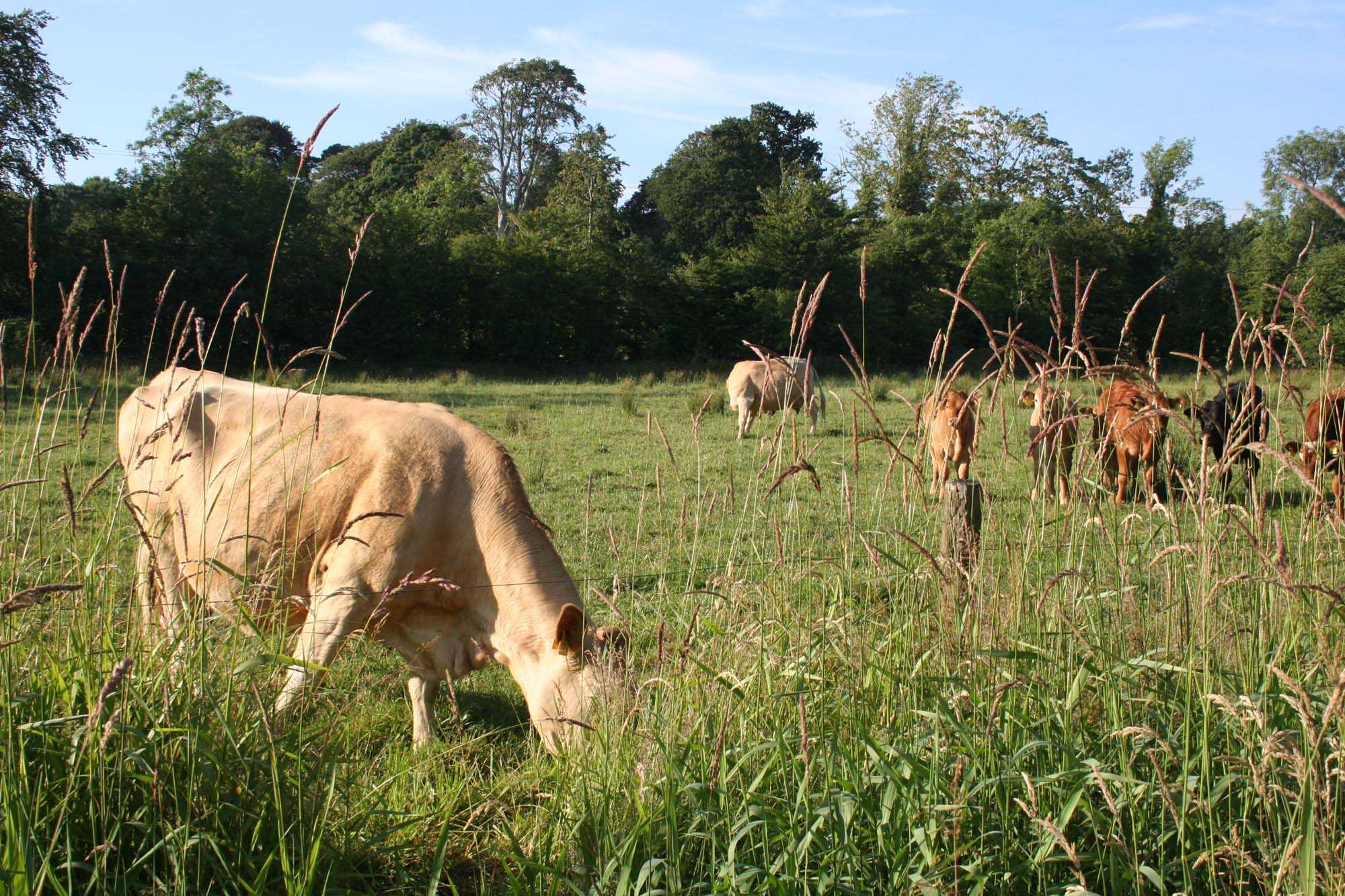
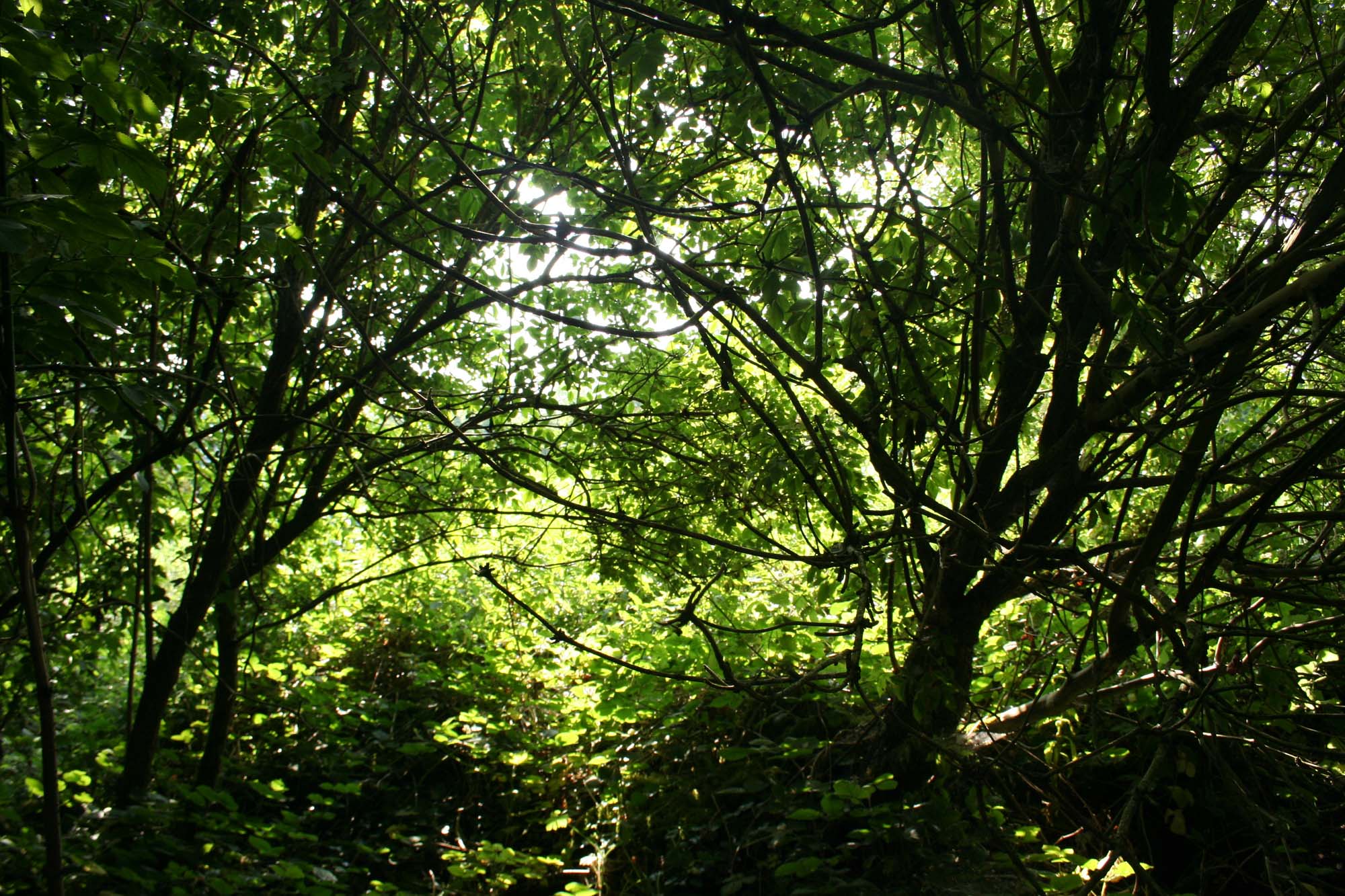
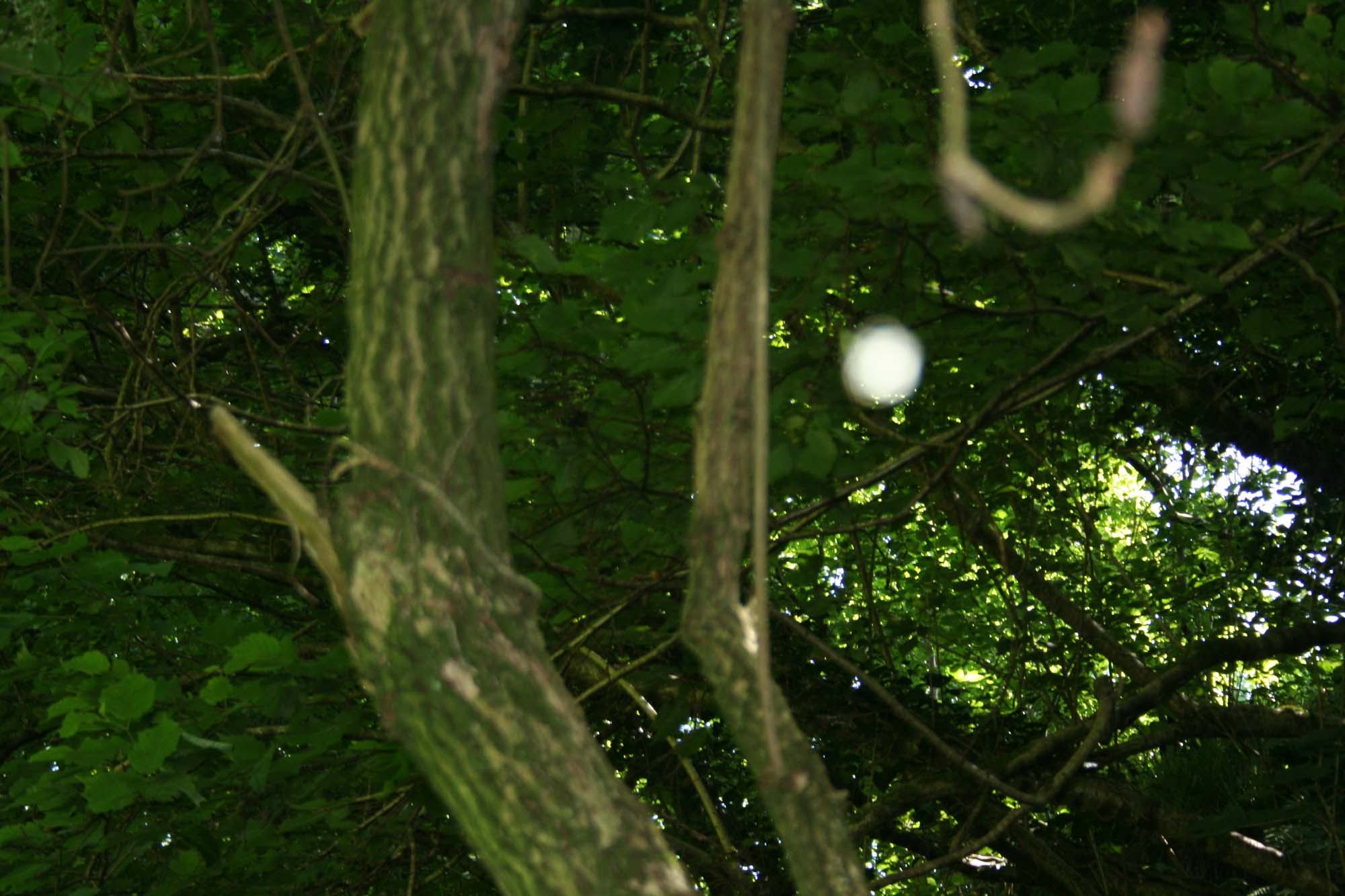
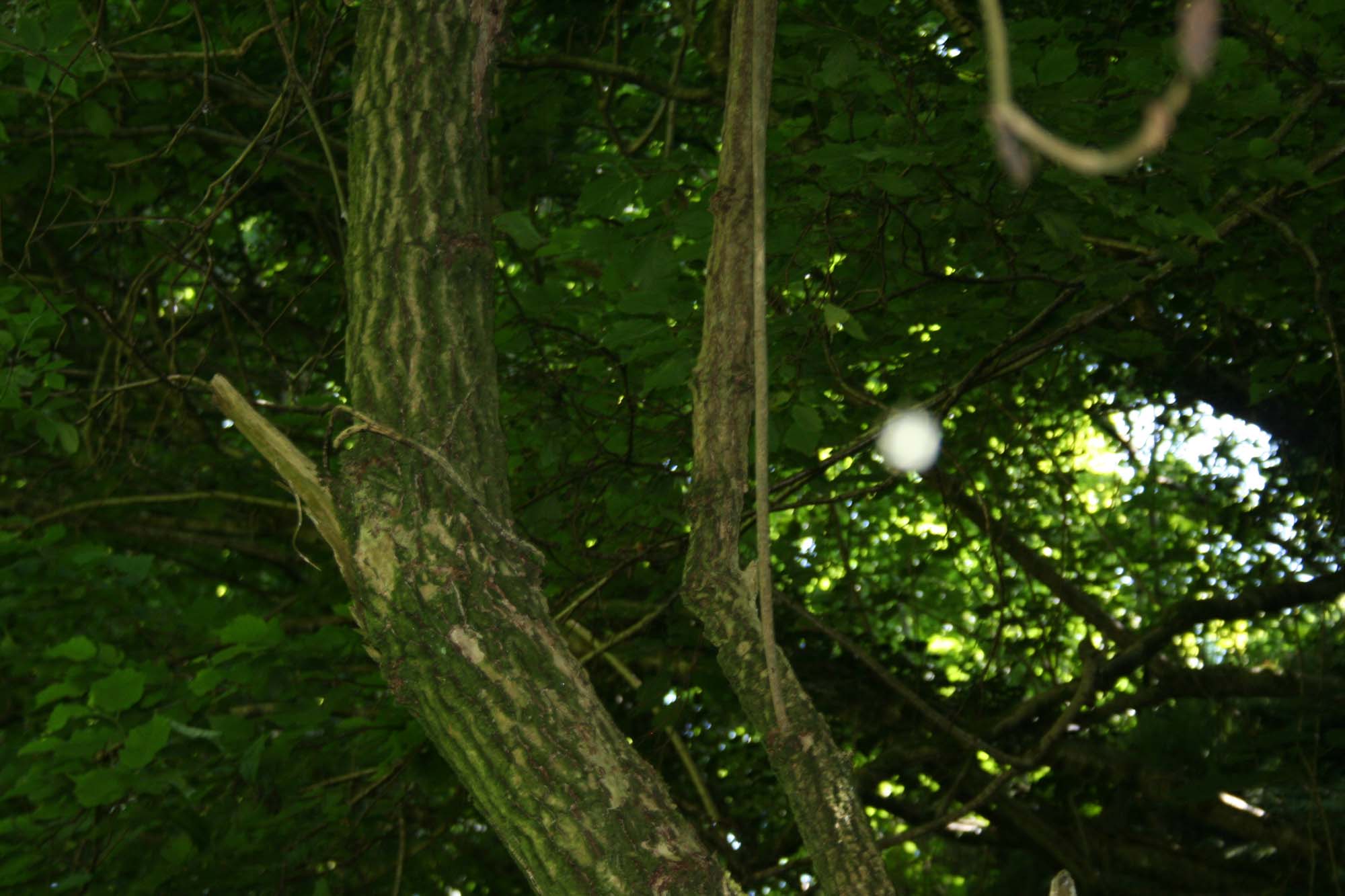
Between 2013 and 2015 Collins developed a body of research working between two woodland sites: one in Ennistymon, County Clare and the other at Kilnaseer, County Laois. These locations became both material and metaphorical territories through which to consider how different species live alongside one another.
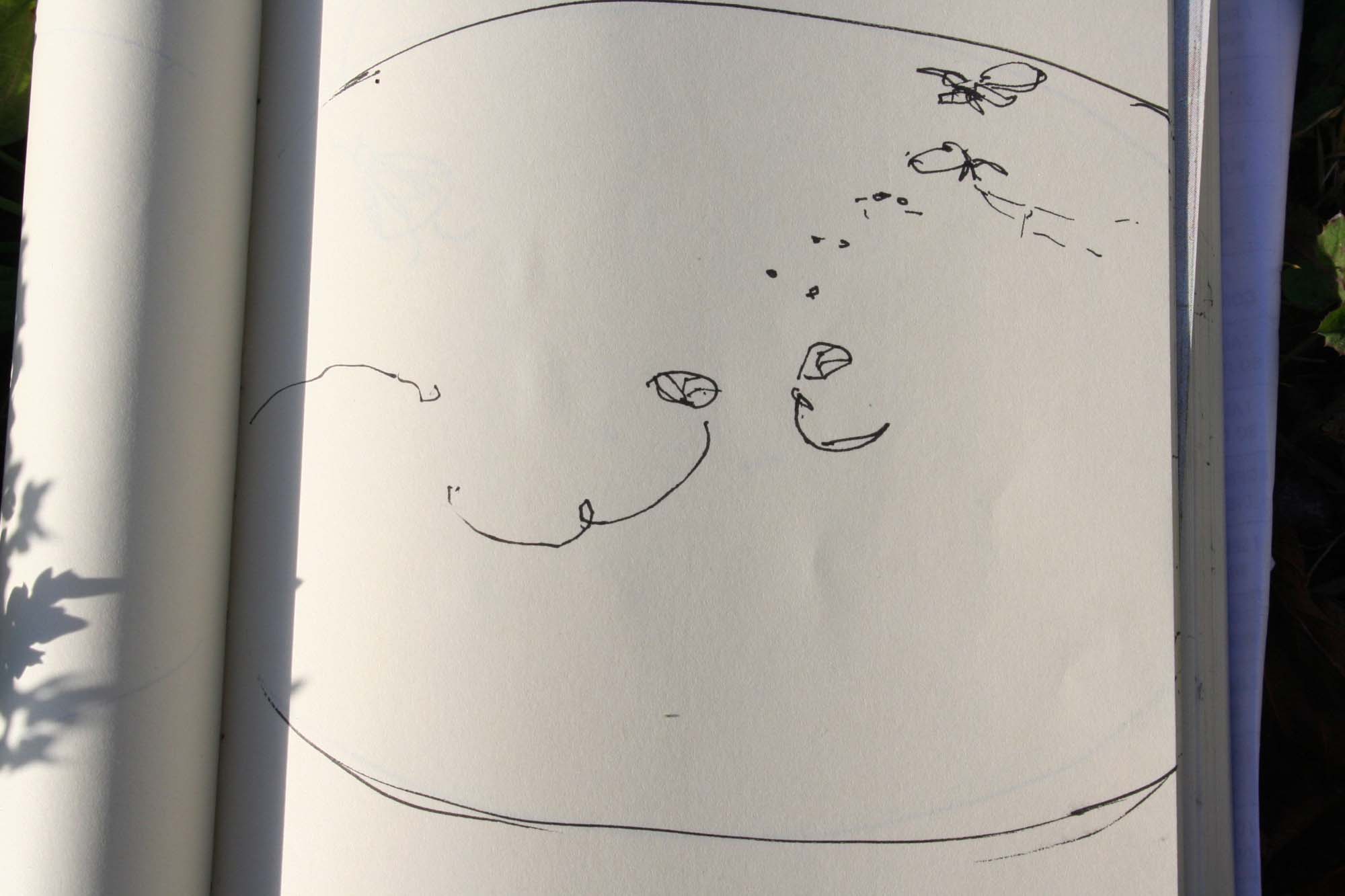
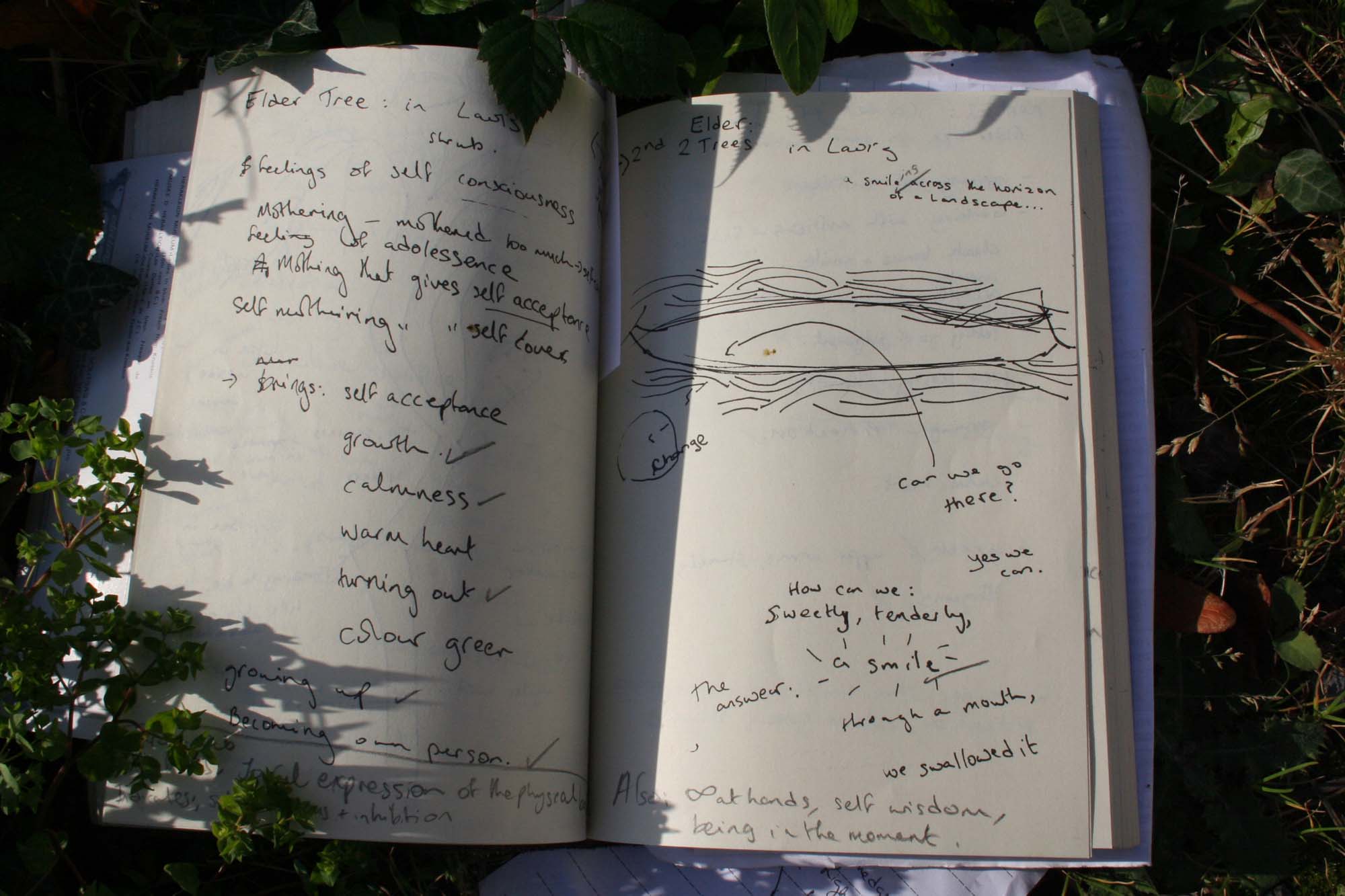
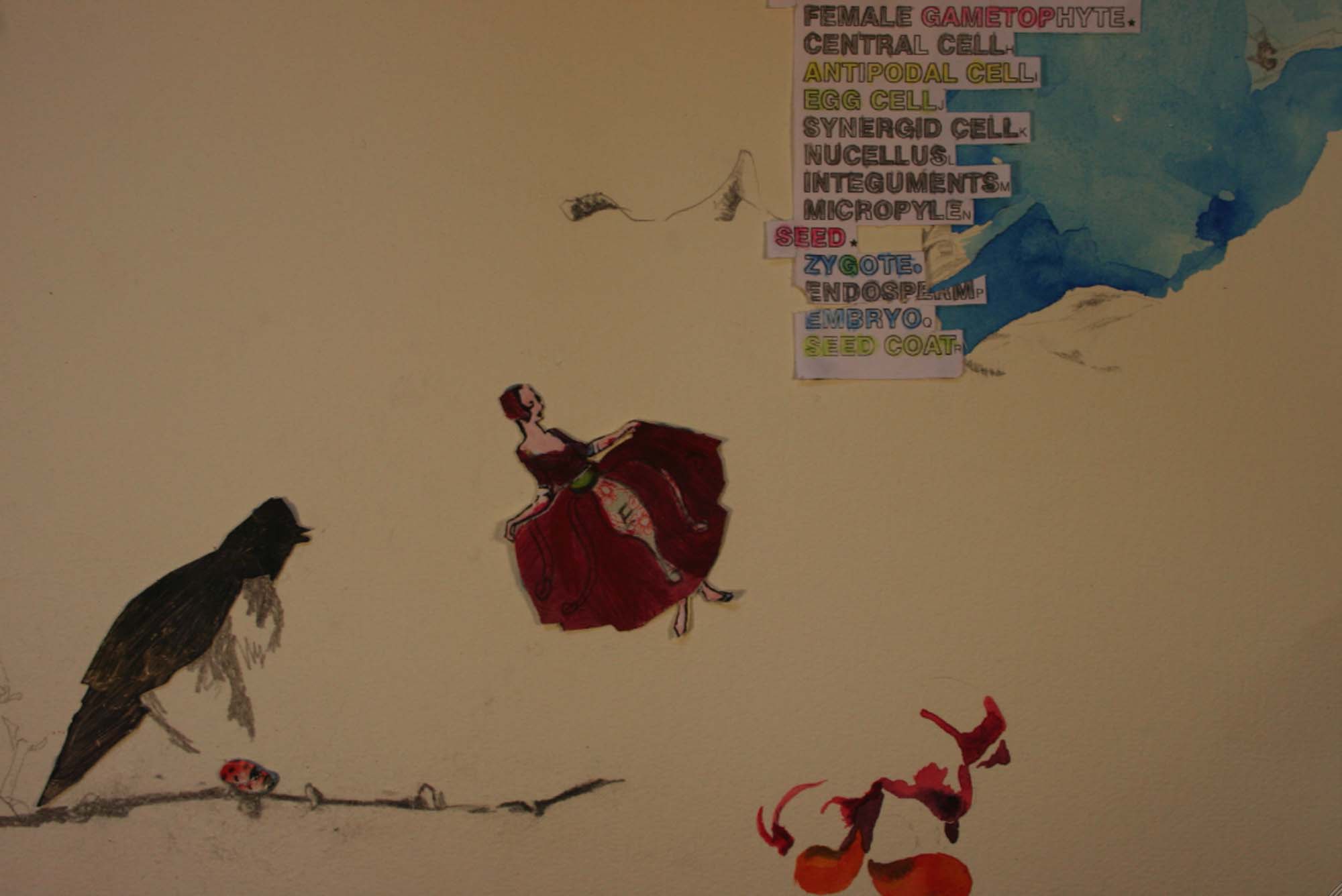
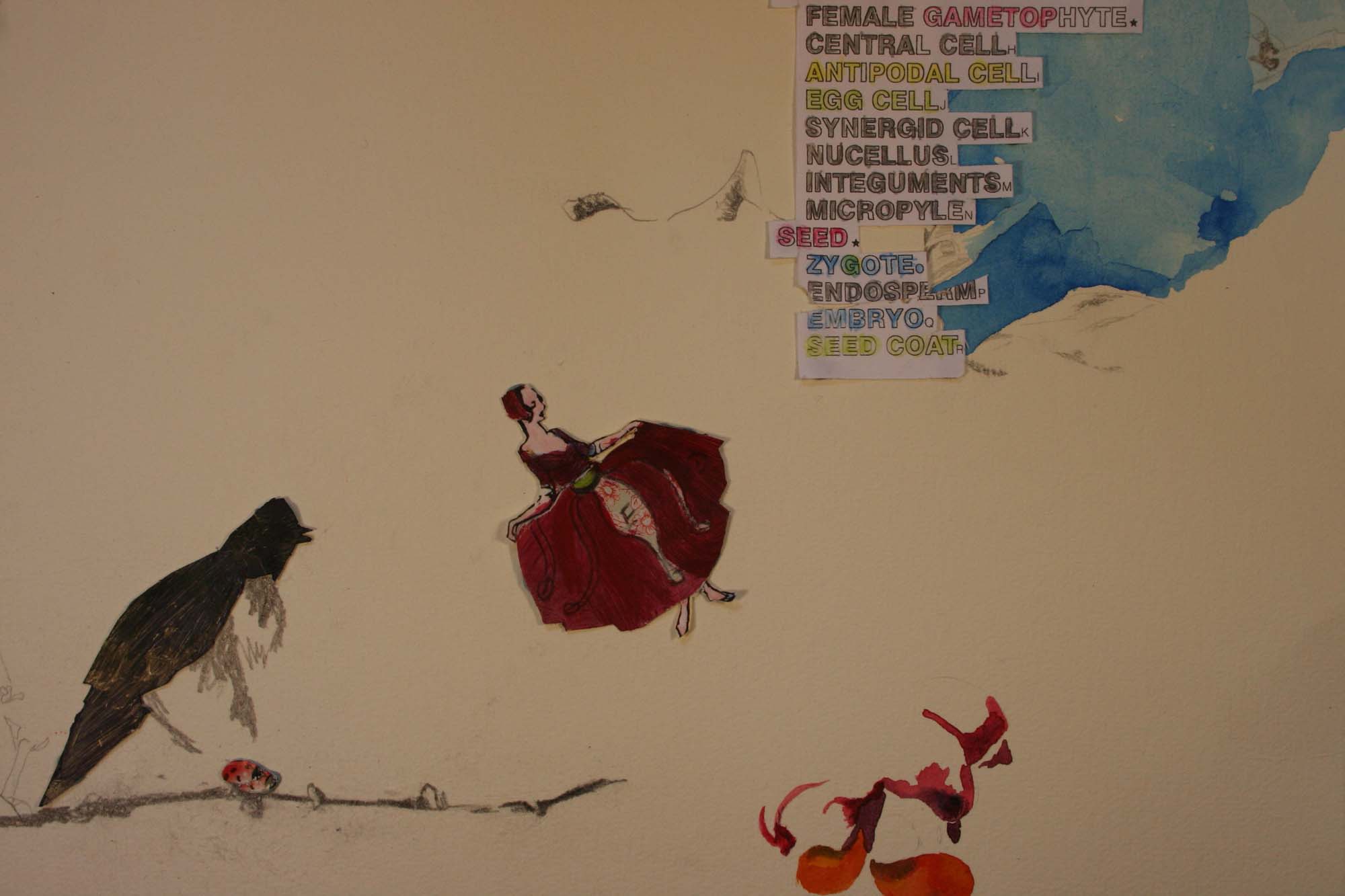
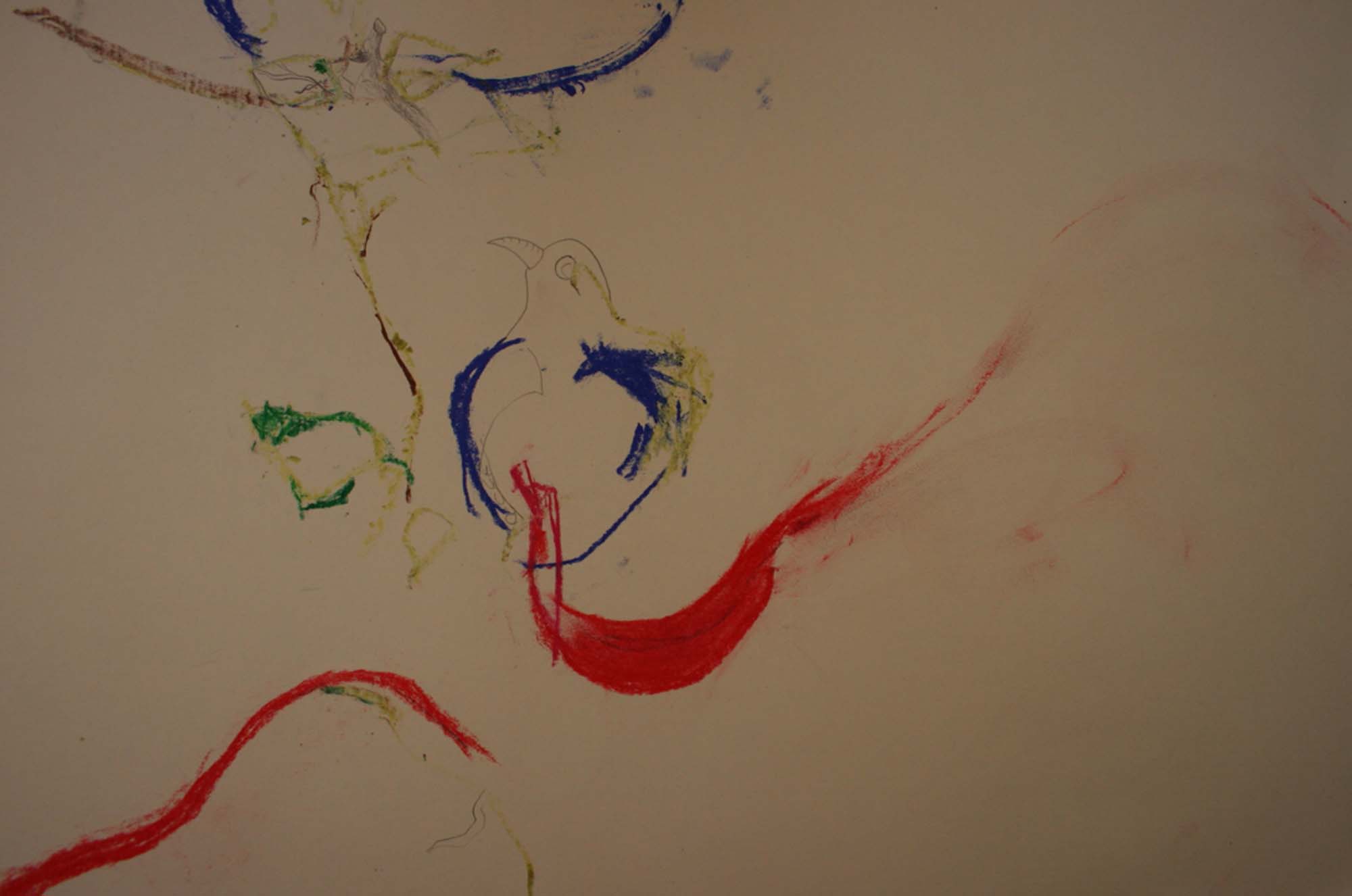
Her approach during this period combined observation, conversation, filming, planting, cutting, logging, and drawing. Each method functioned as a way of attending to the subtle ecological and cultural layers that make up a place. The work emerging from this enquiry brought together animated drawings, projections, and installations that explored relationships between science, myth, and lived experience.
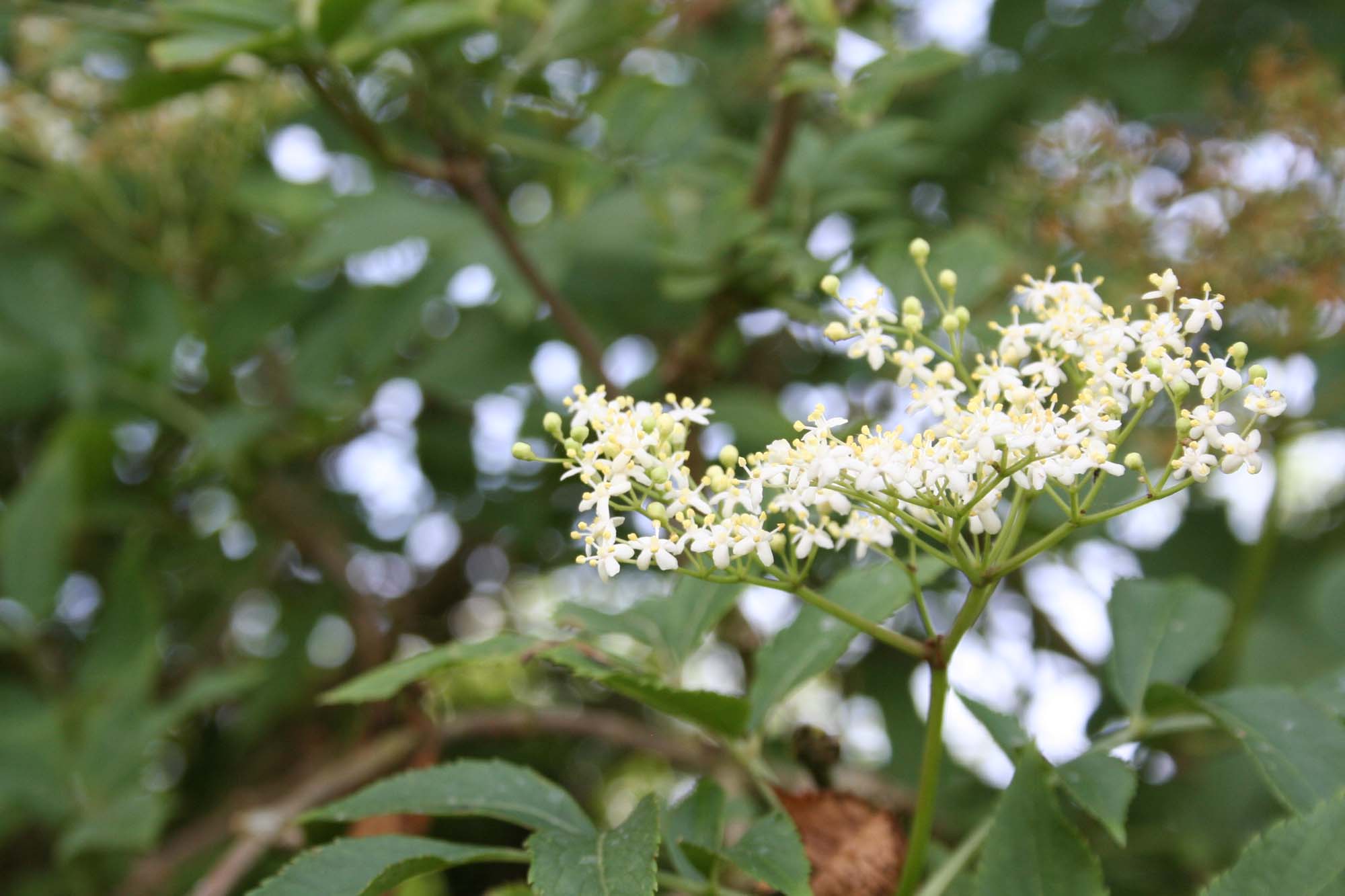
The research was informed in part by ideas from biogeography – the study of how organisms and ecosystems are distributed across landscapes- while remaining grounded in direct encounters with the living environment. Springs, elder flowers, bats, trees, and soils became collaborators in the process, shaping an investigation into how environmental conditions and interspecies relations create possibilities for connection, exchange, and coexistence.
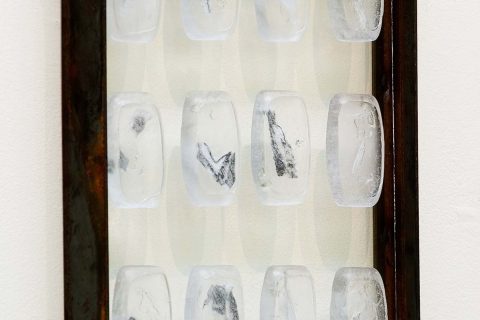
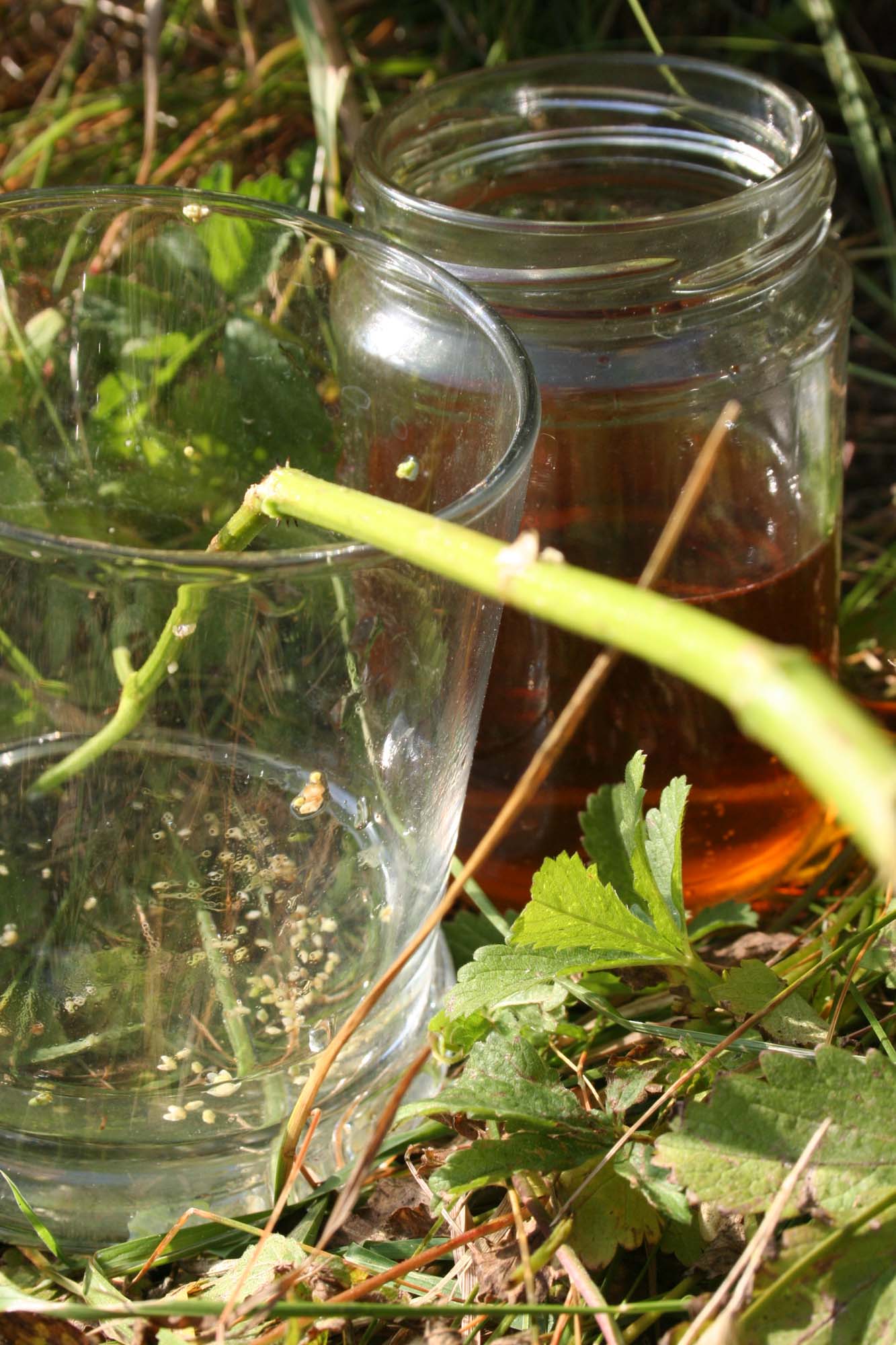
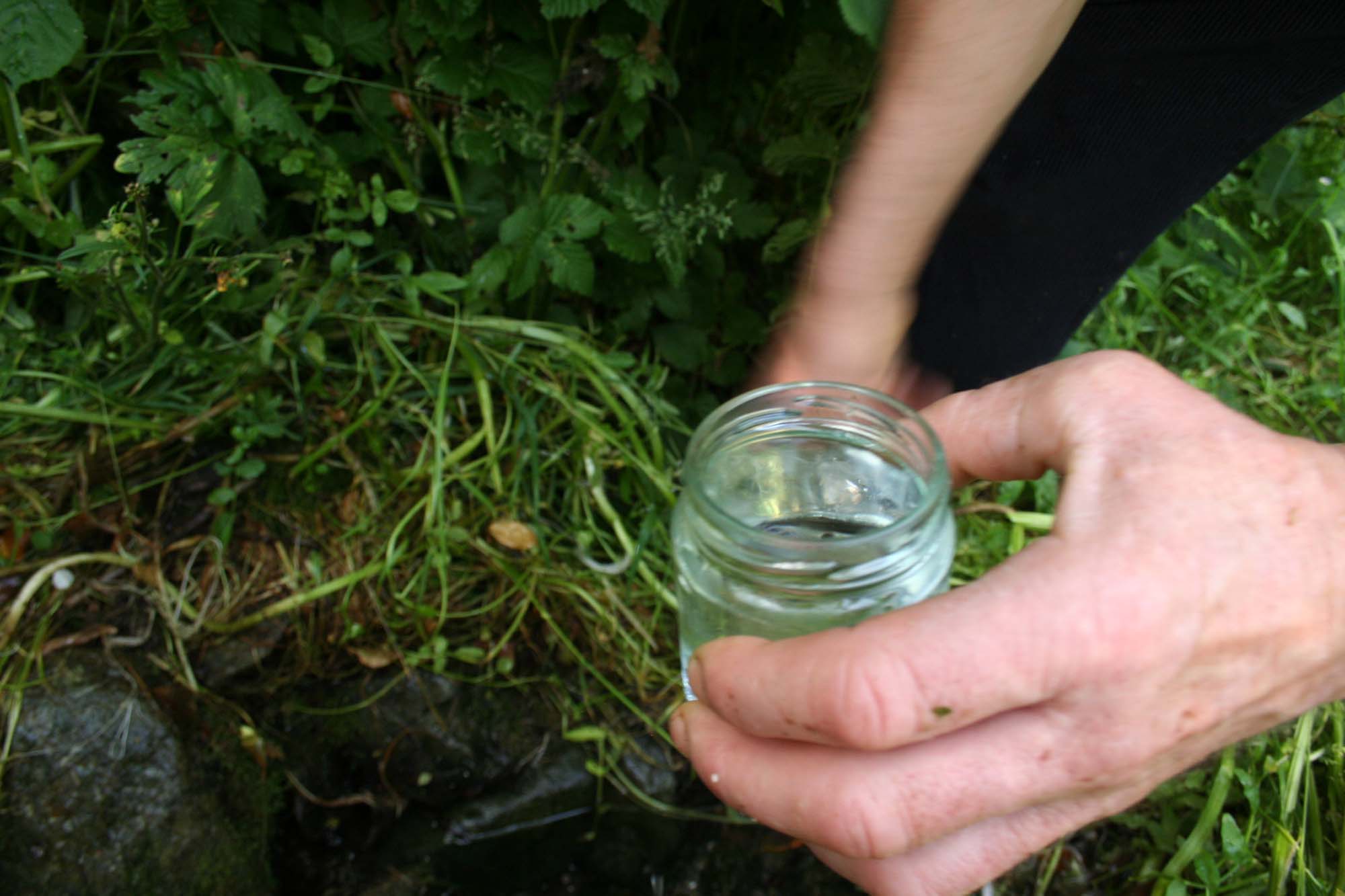
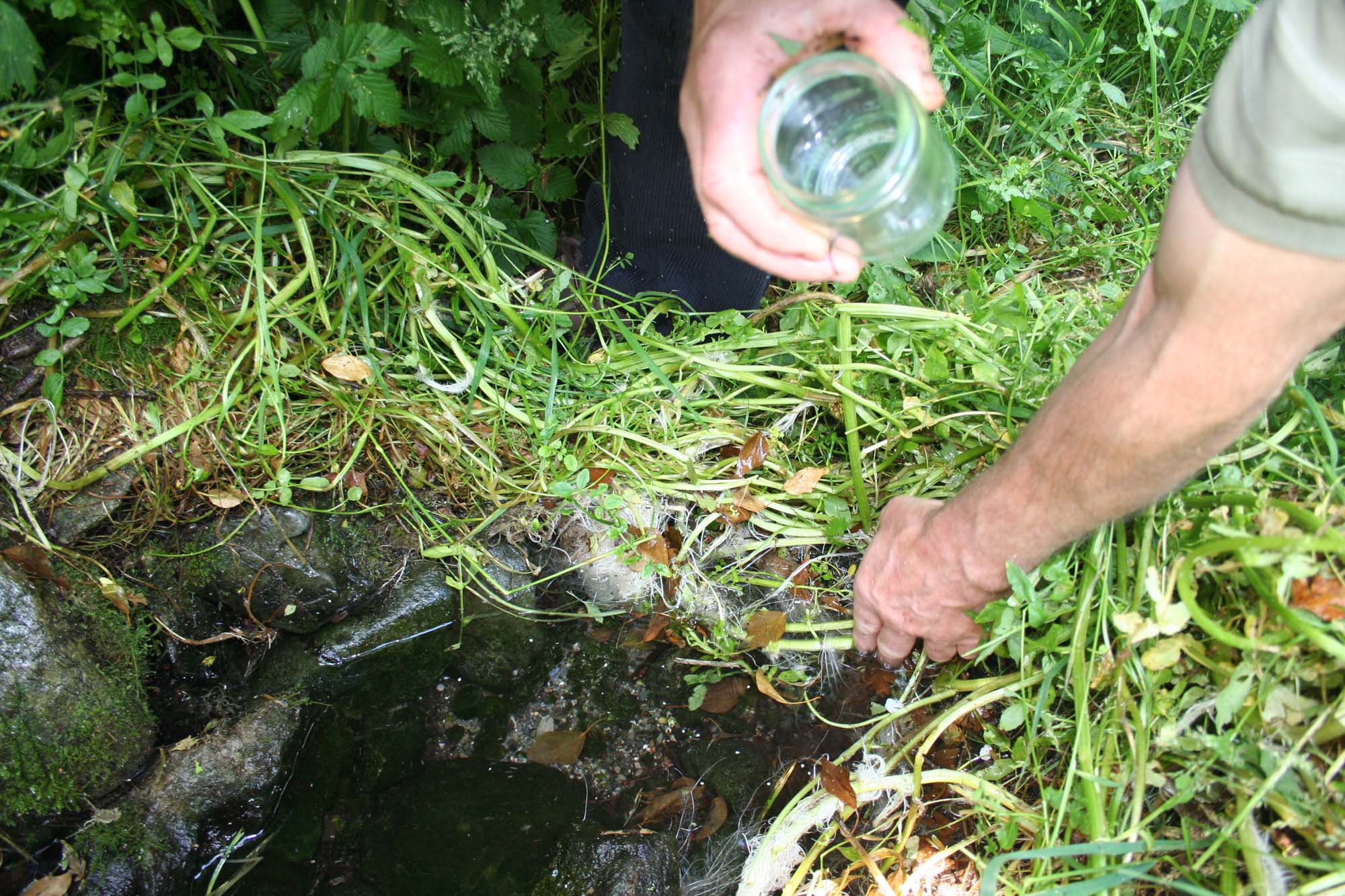
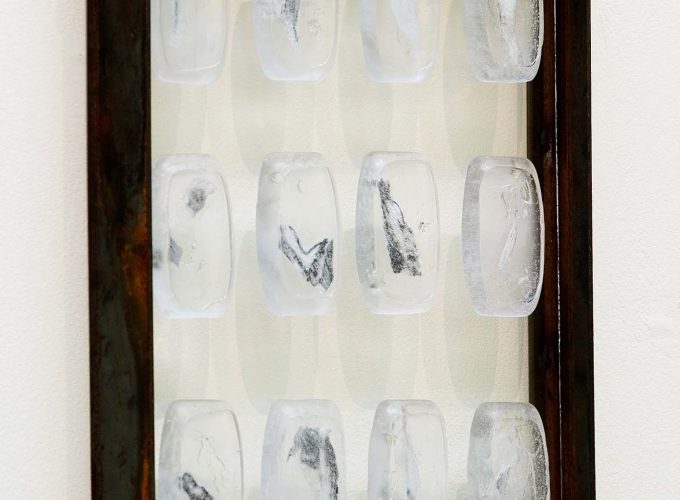
In works such as Spring H₂O, water was collected from a deep underground spring shared by both humans and animals. The act of gathering water became a point of contact between ecological processes and local stories, including accounts from people who valued the taste and qualities of the spring.
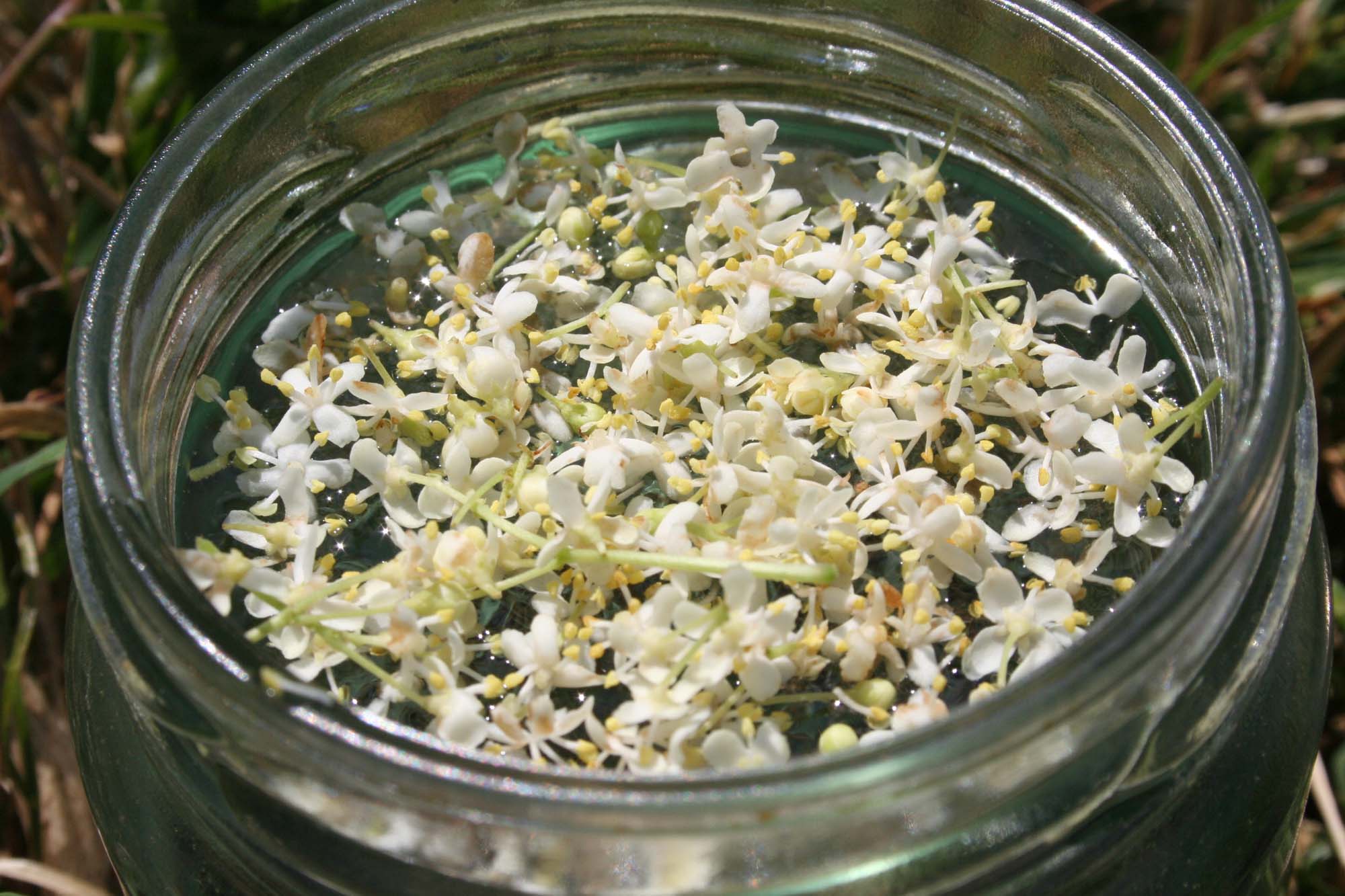
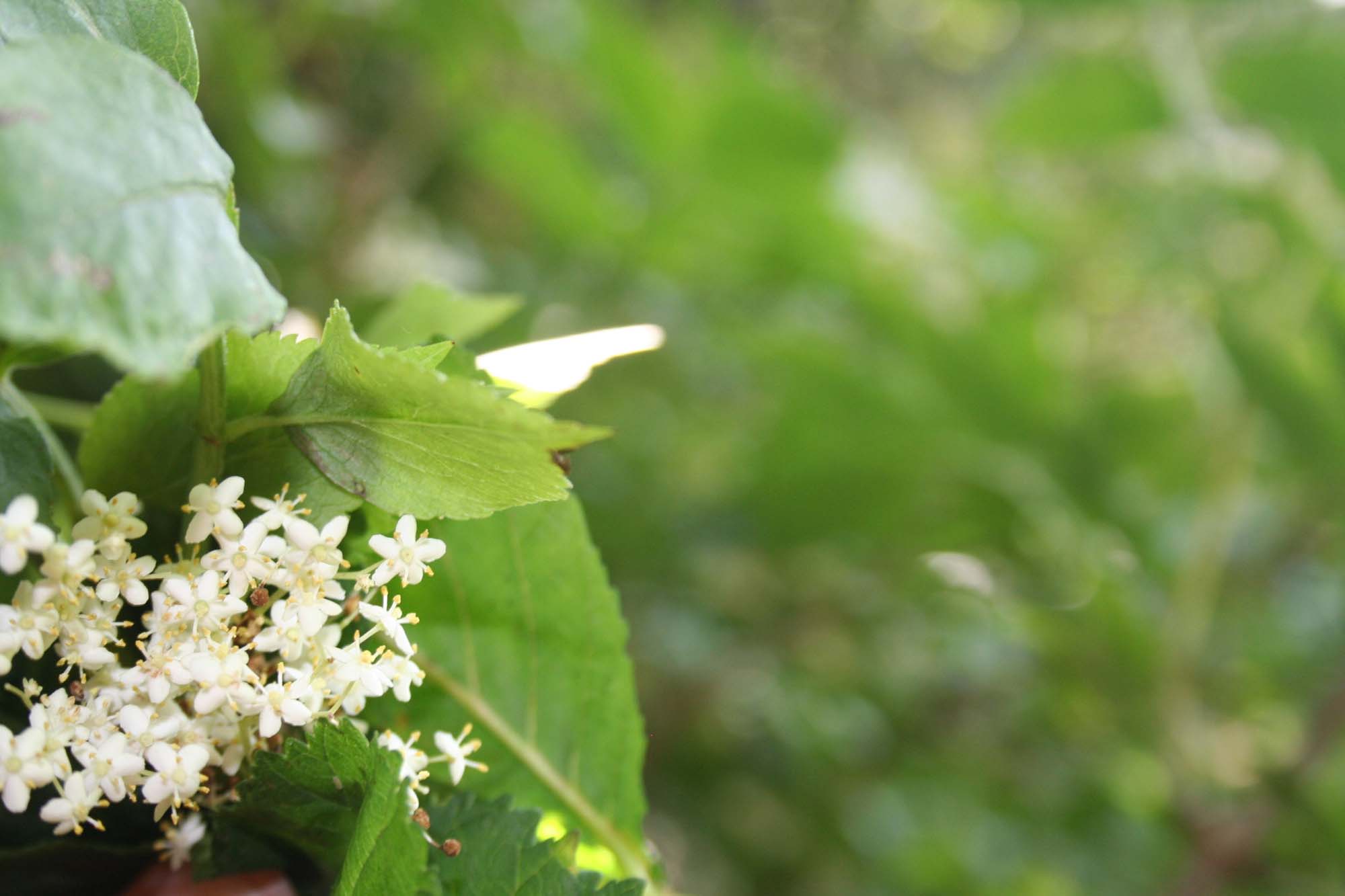
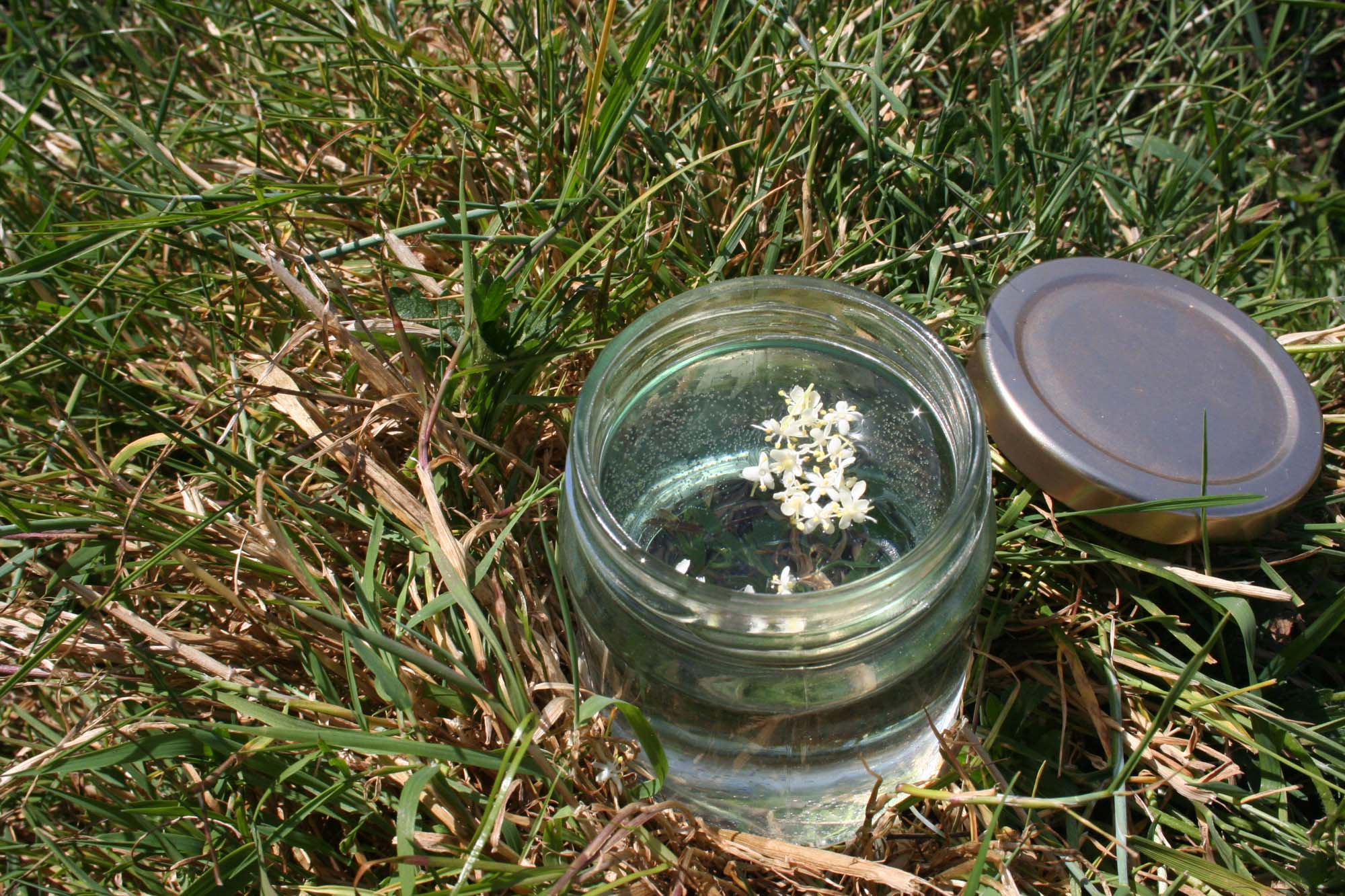
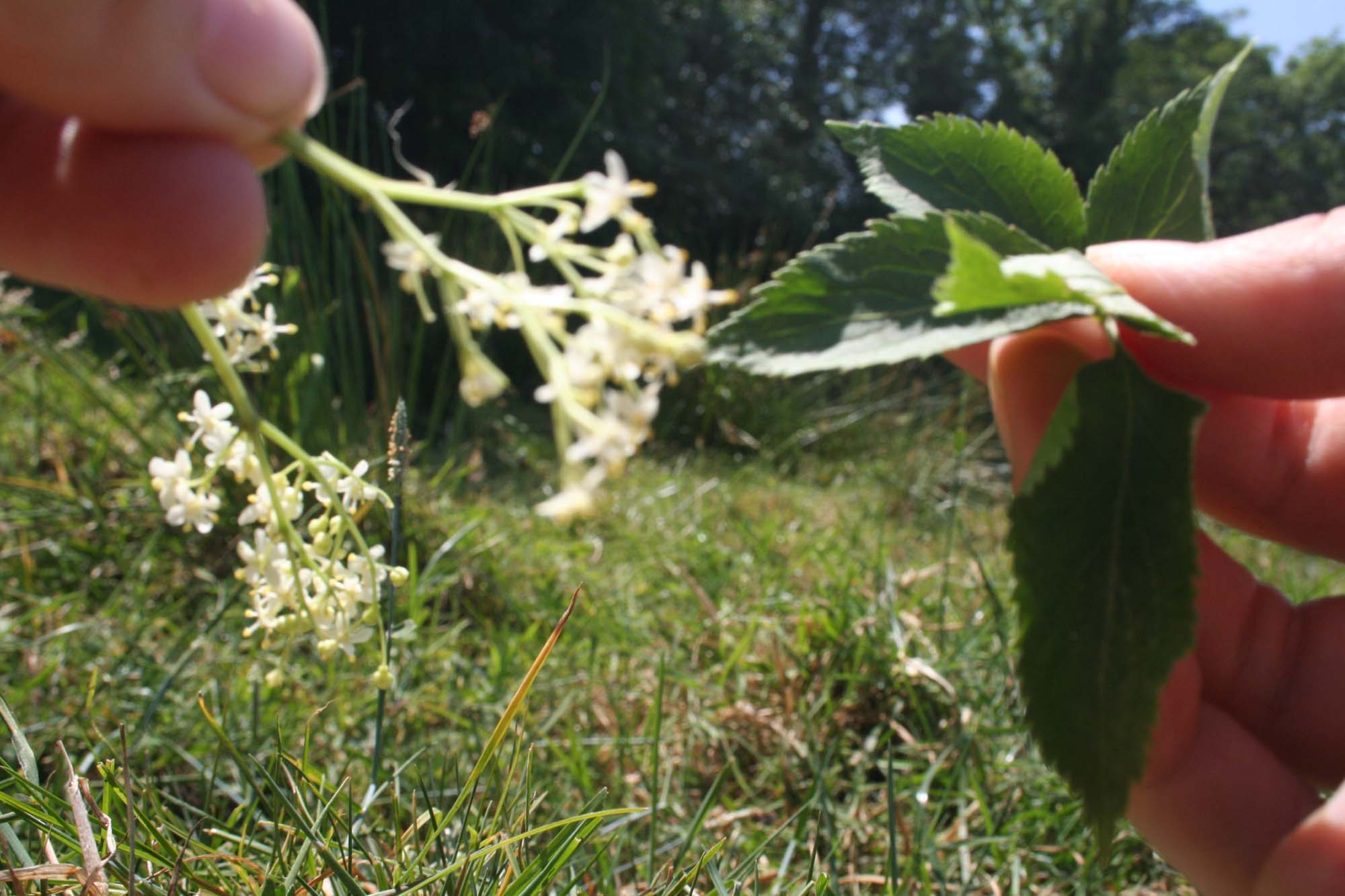
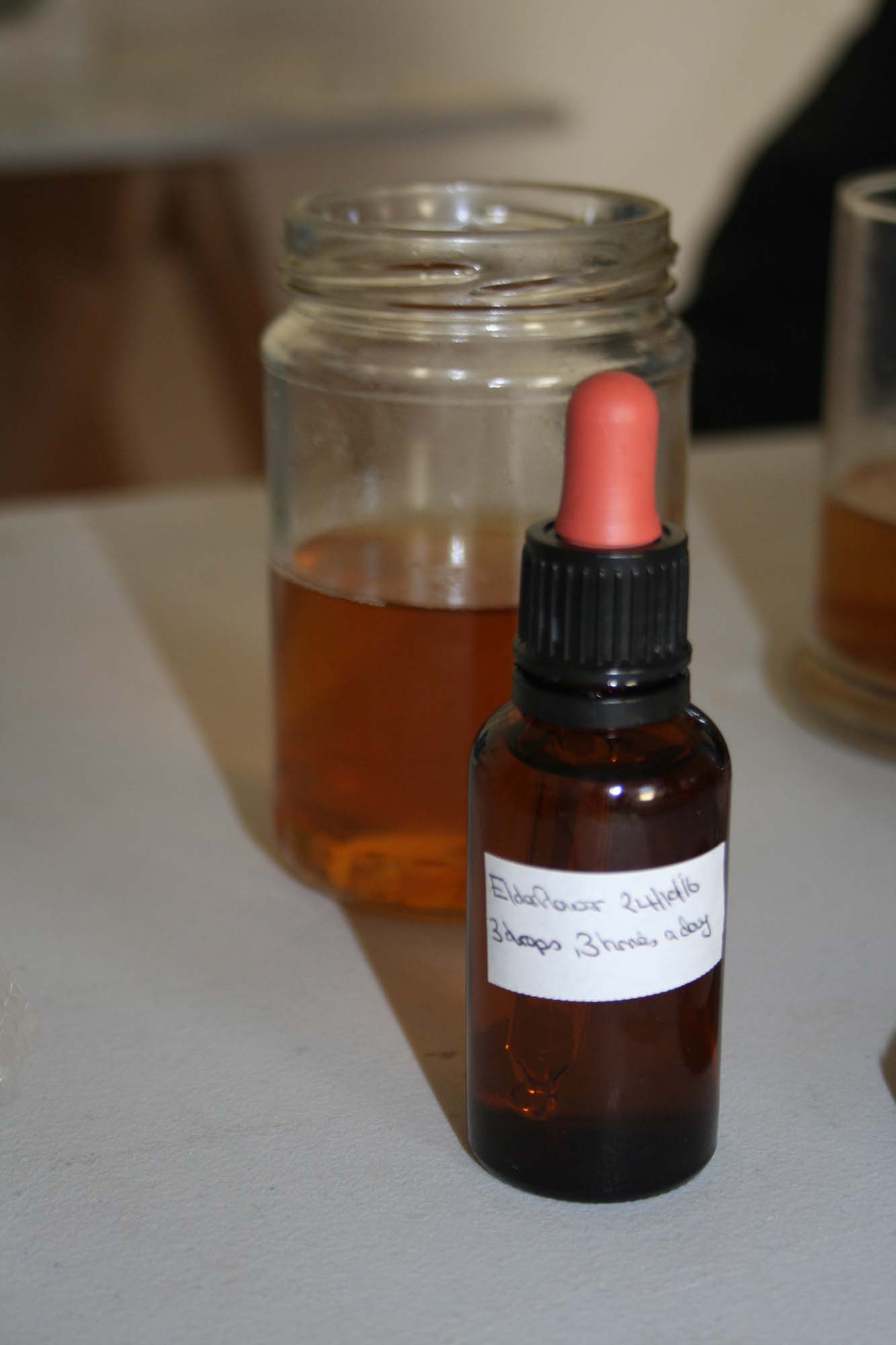
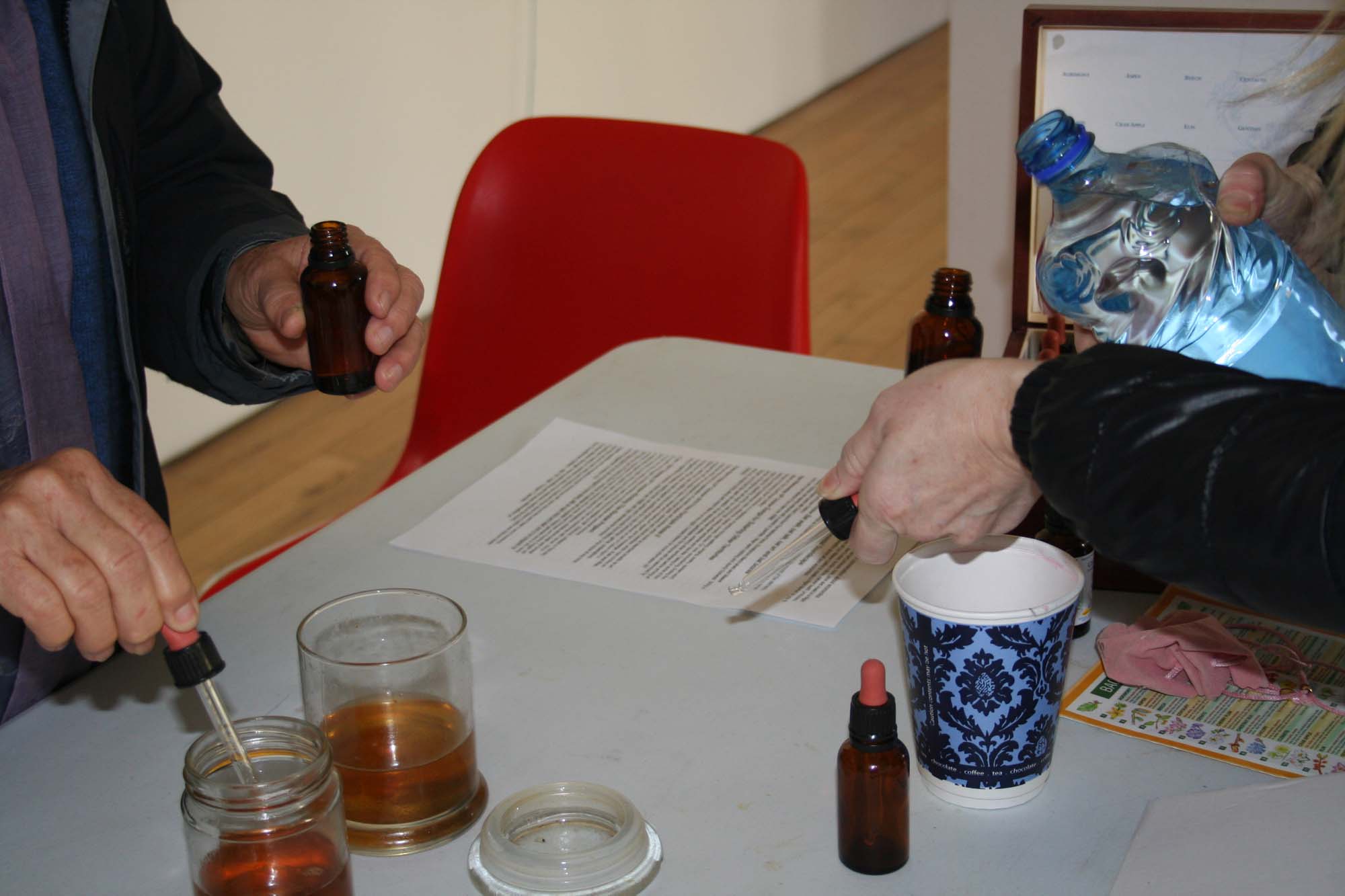
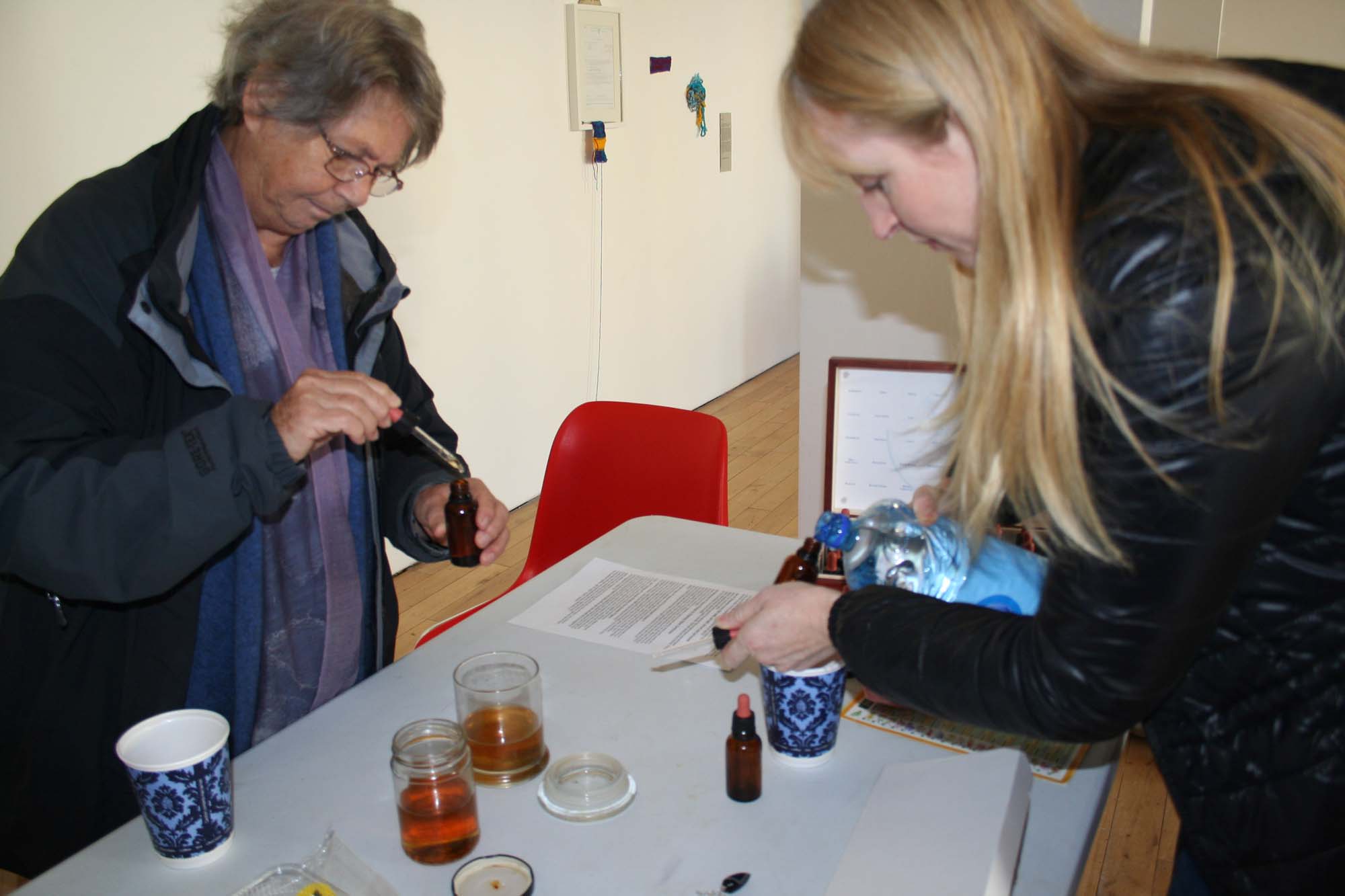
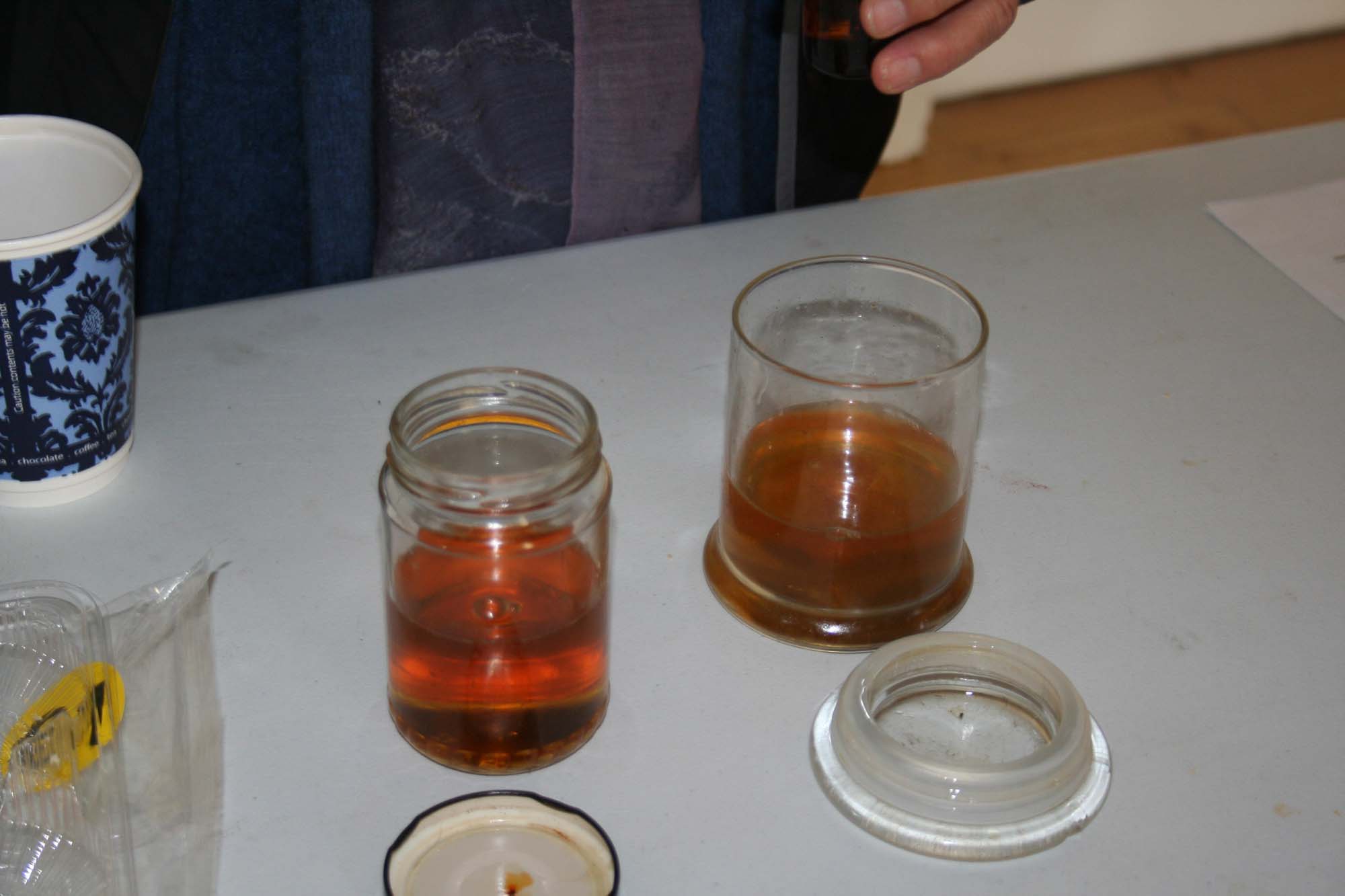
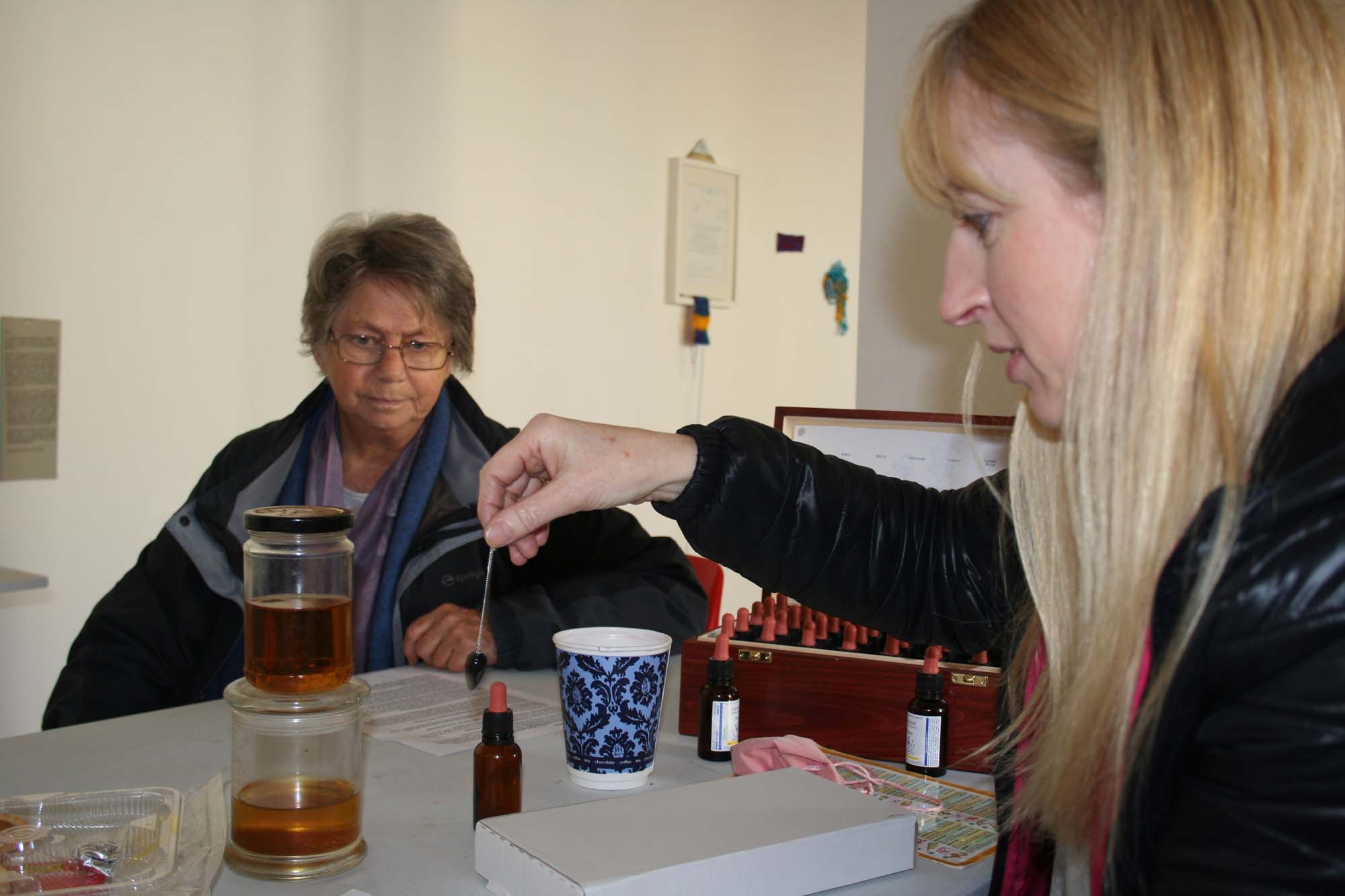
In Elder Flower Essence, Collins worked with elder blossoms on a clear day, allowing their presence to infuse spring water. The process foregrounded the intimacy and unpredictability of contact between bodies and environments, acknowledging that even the artist’s own physical presence becomes part of the mixture.
Other works explored species that exist beyond the limits of human perception. Bat walks and sound recordings invited attention to ultrasonic frequencies, where the calls of bats — powerful yet normally inaudible — reveal a hidden layer of environmental activity. Through acts of listening, translation, and slowed perception, the work approached these unseen registers of ecological life.
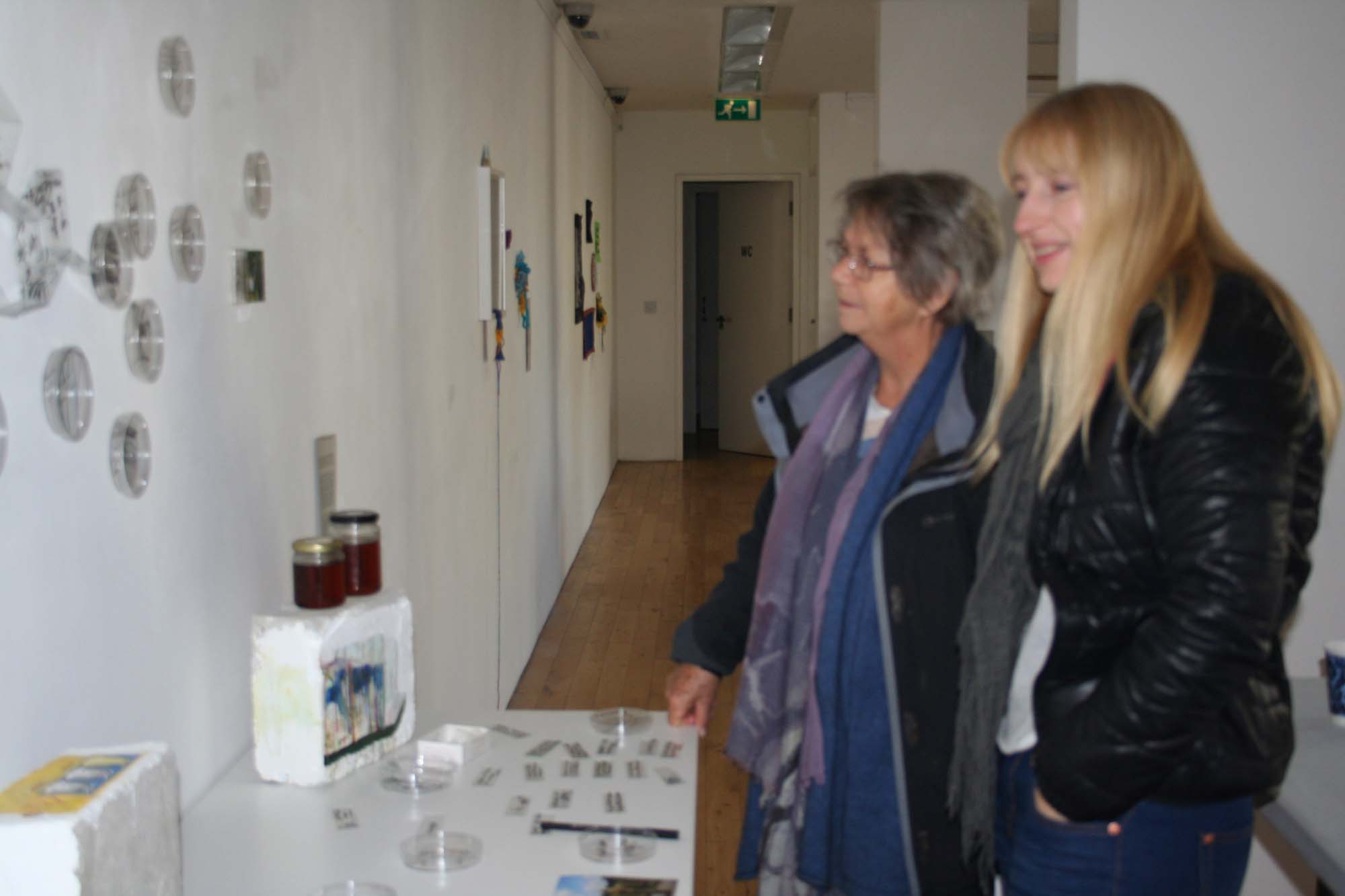
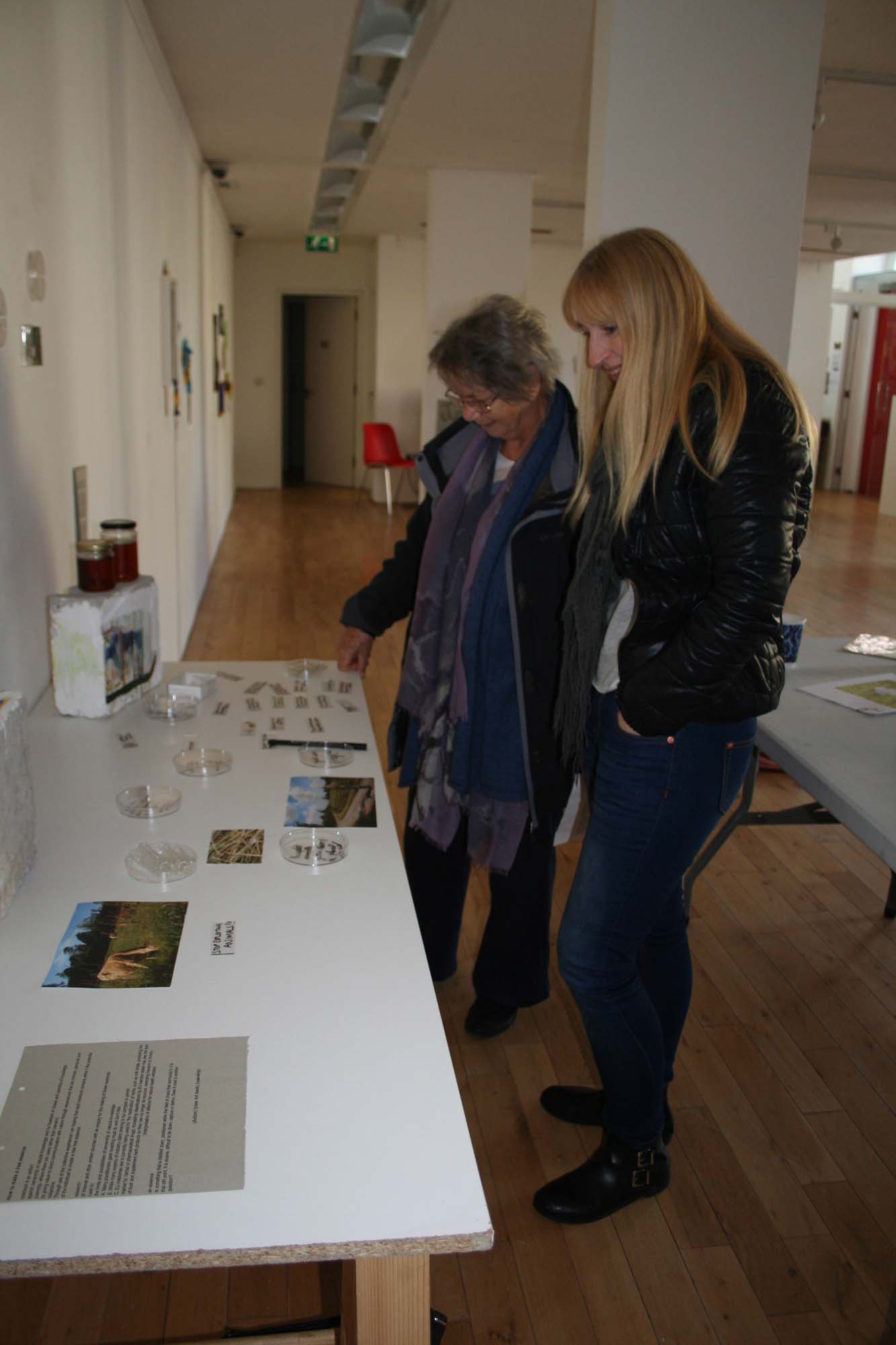
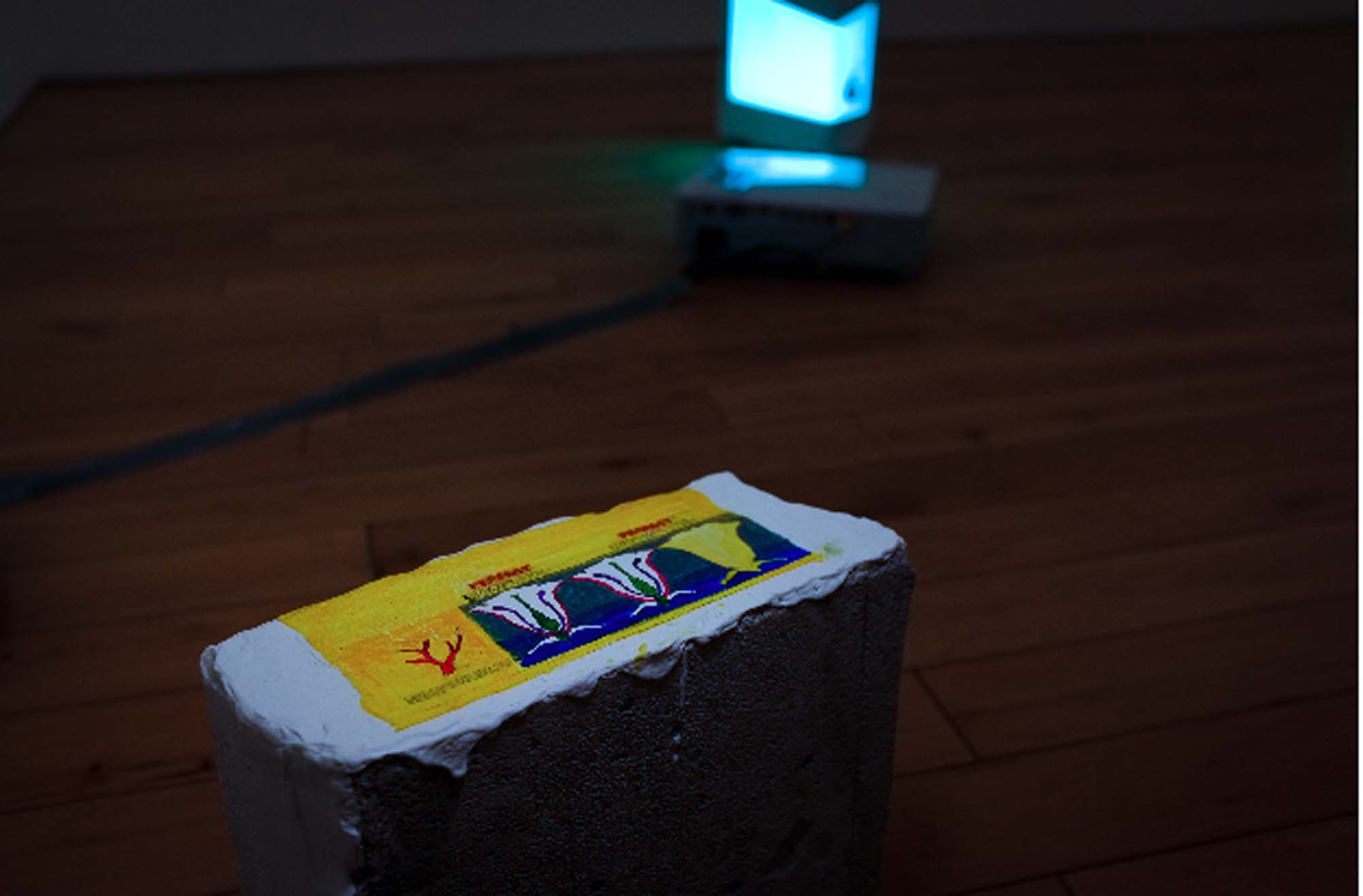
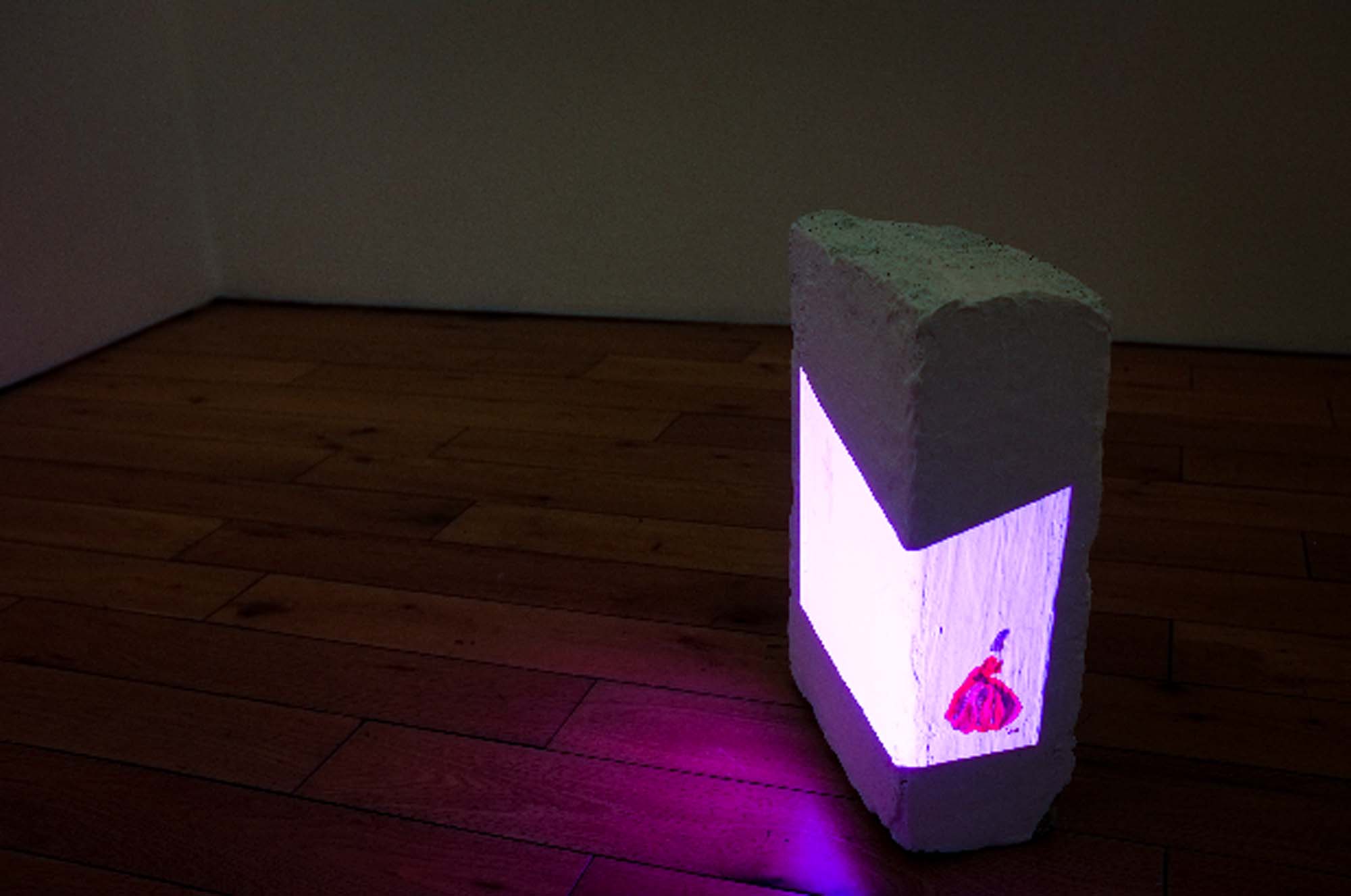
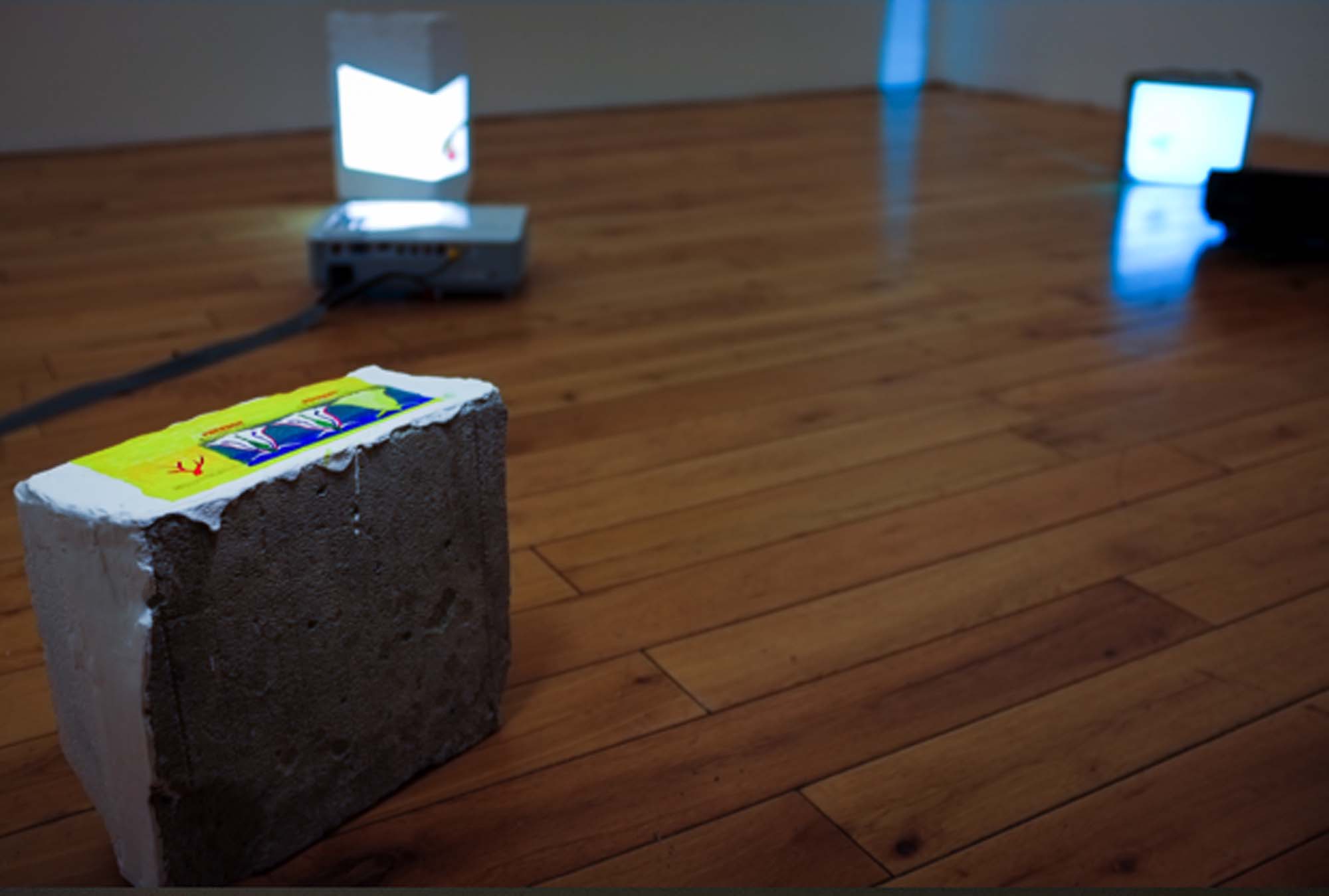
Projection works derived from forest drawings extended this enquiry further. Images were cast onto rough cement blocks, where fleeting ecological impressions met surfaces associated with human construction and ancient architecture. Through light, shadow, and movement, ephemeral relationships within the landscape were made temporarily visible.
Across this period Collins developed a practice that wove together observation, scientific curiosity, local knowledge, and poetic reflection. Rather than seeking to capture or categorise the natural world, the work remained attentive to the fragile conditions that allow different species to exist together.
Outcomes
- Development of the body of work It can be… when two species get together
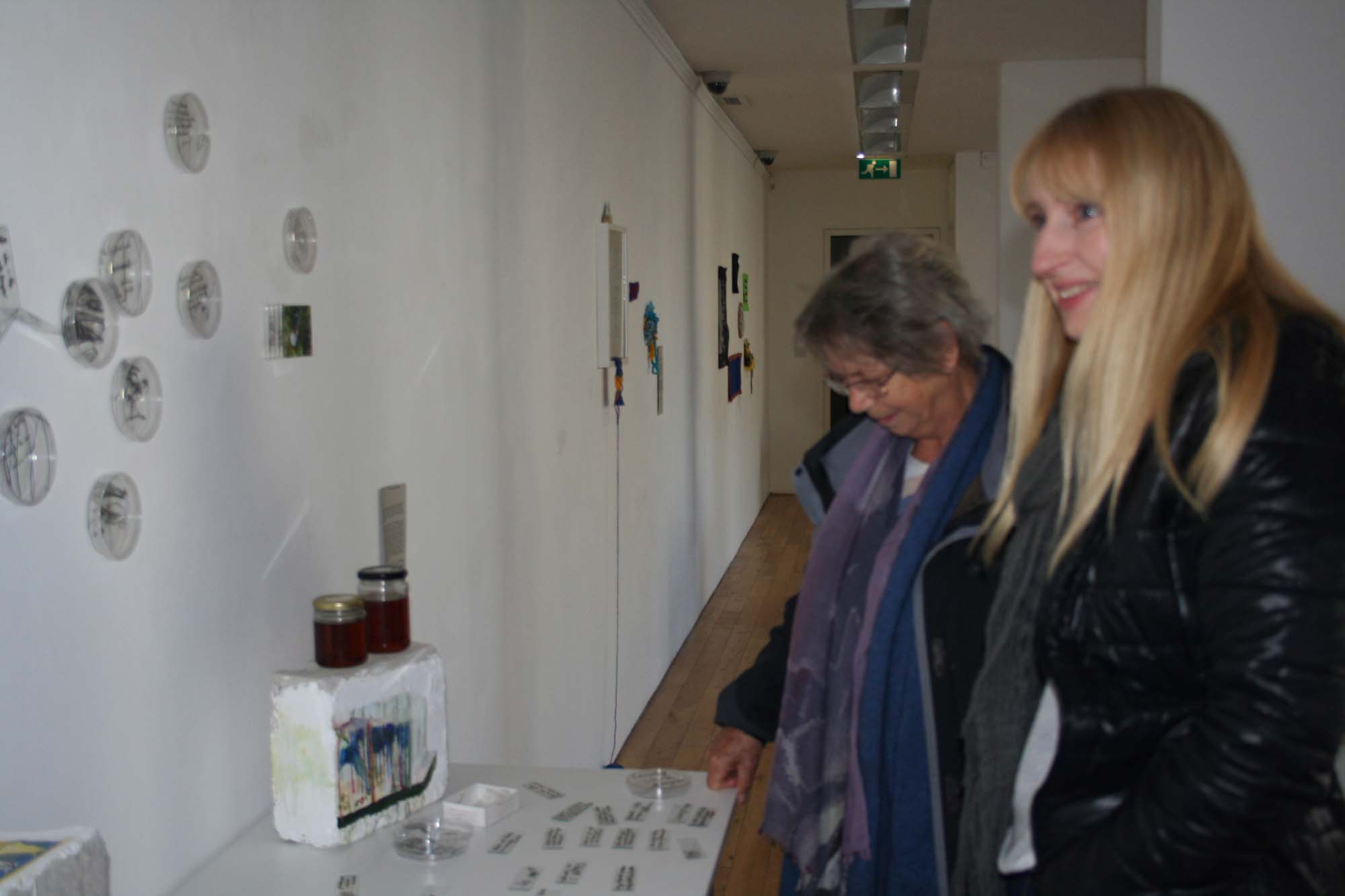
- Animated drawings, projections, and installation works
- Field recordings and observational research across woodland sites in Clare and Laois
- Presentation of works in several group exhibitions during this period