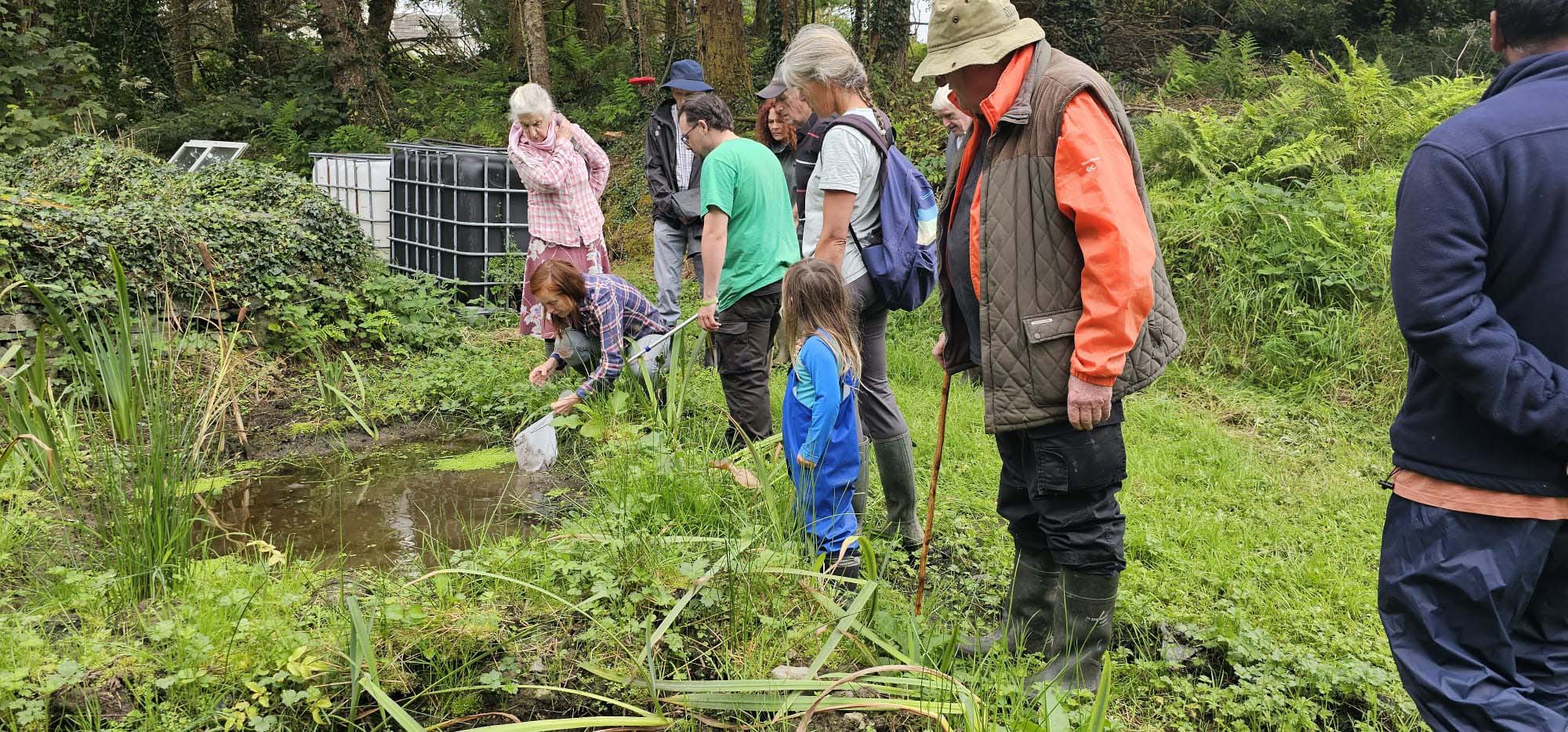
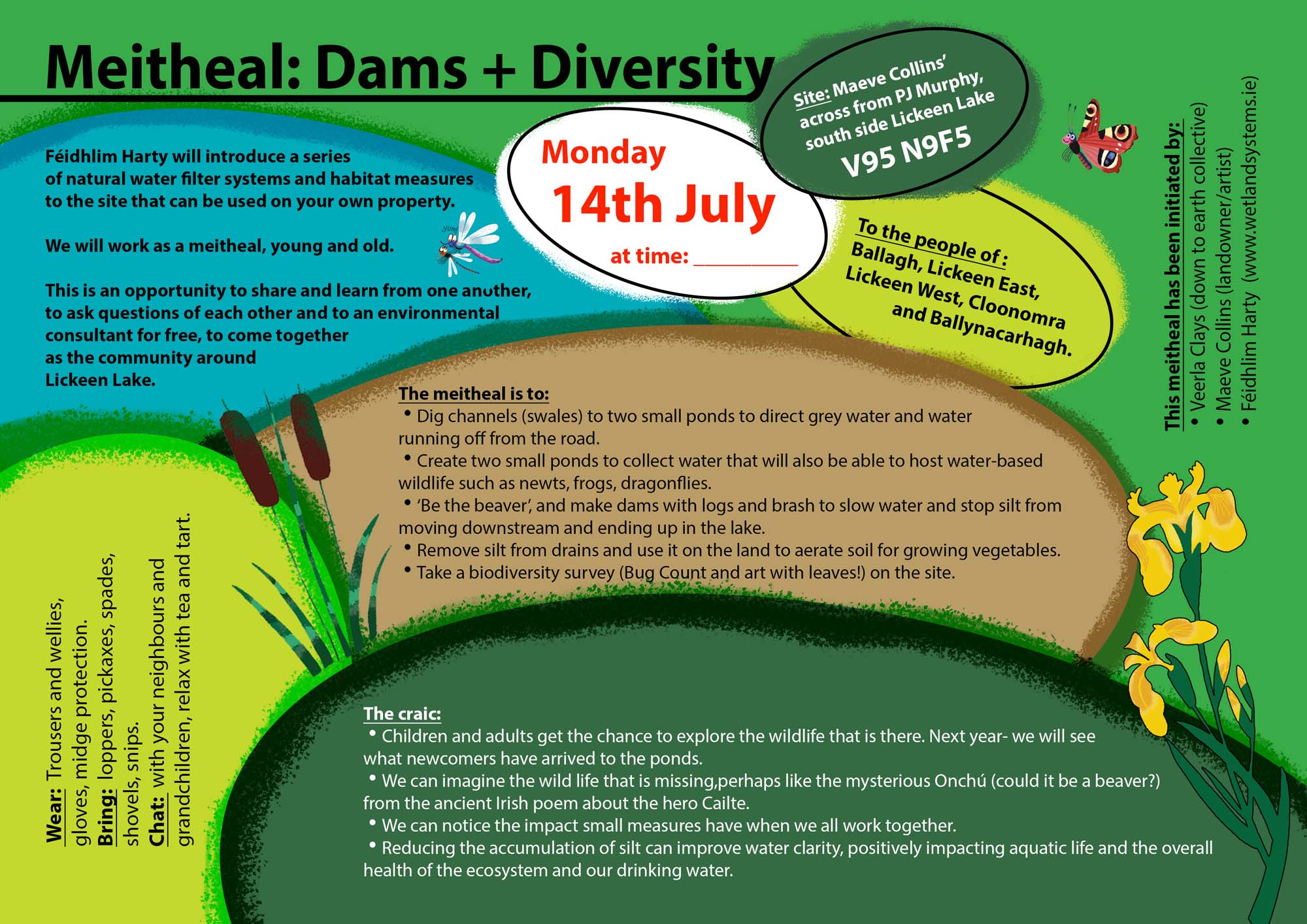
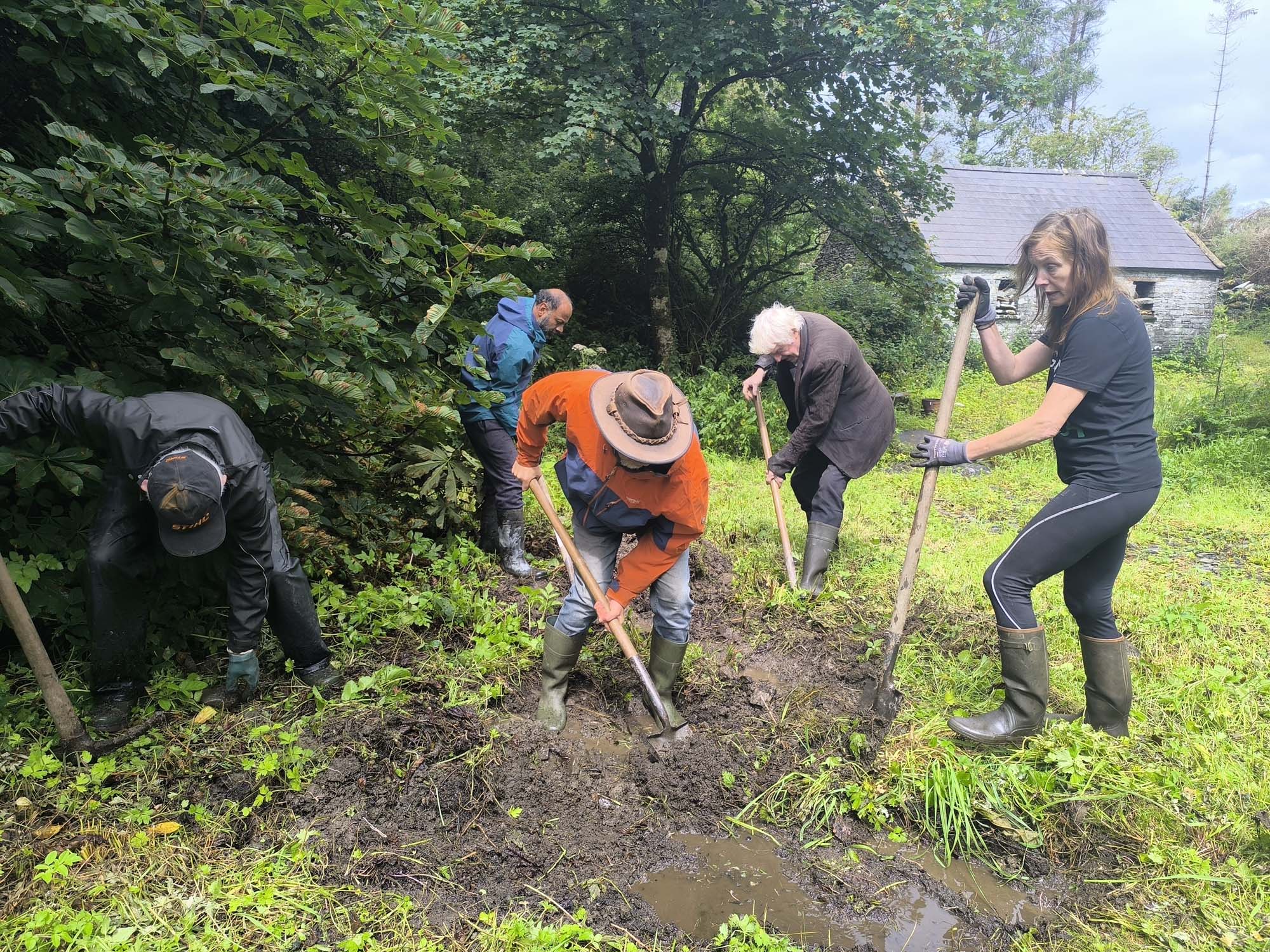
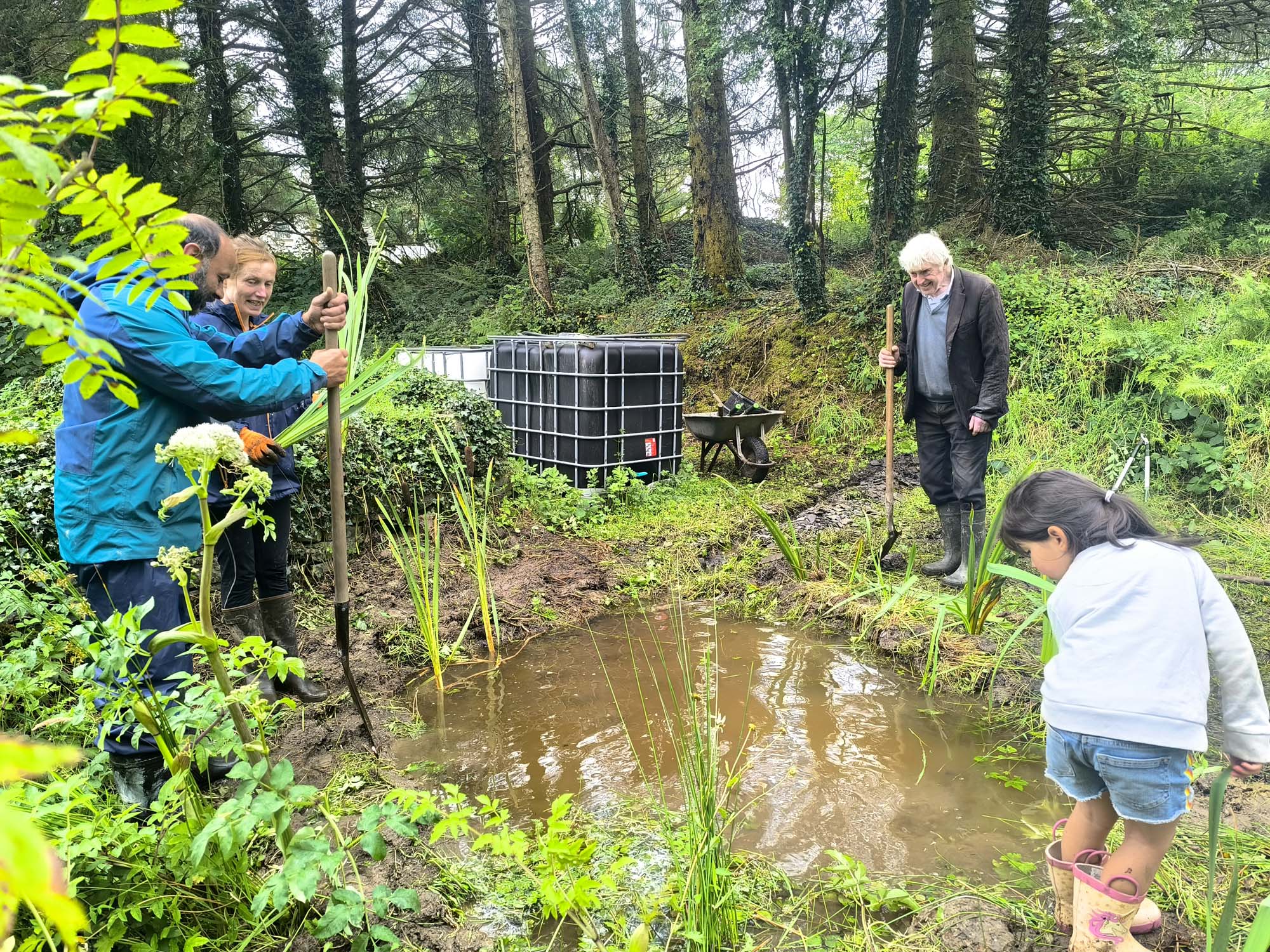
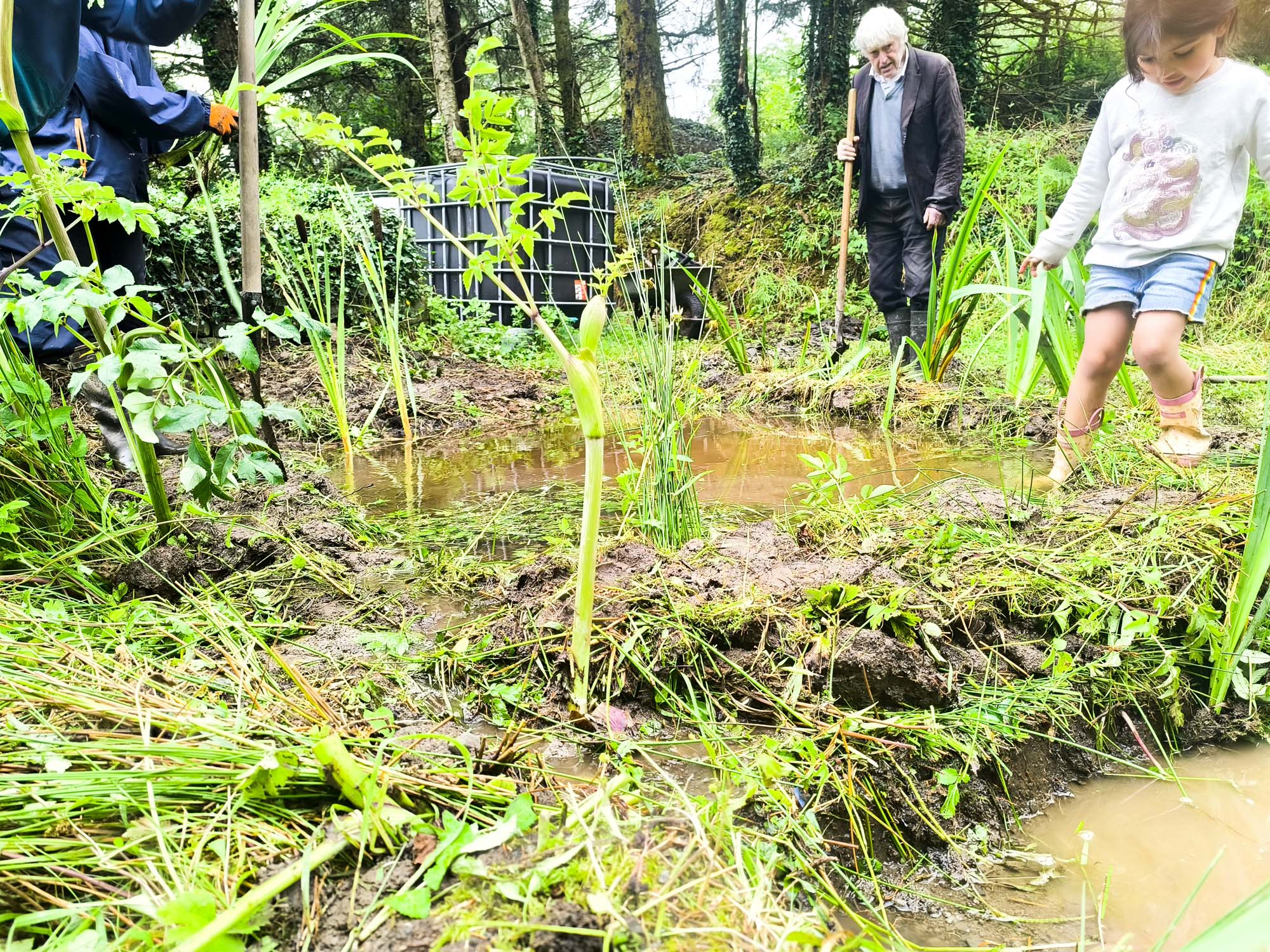
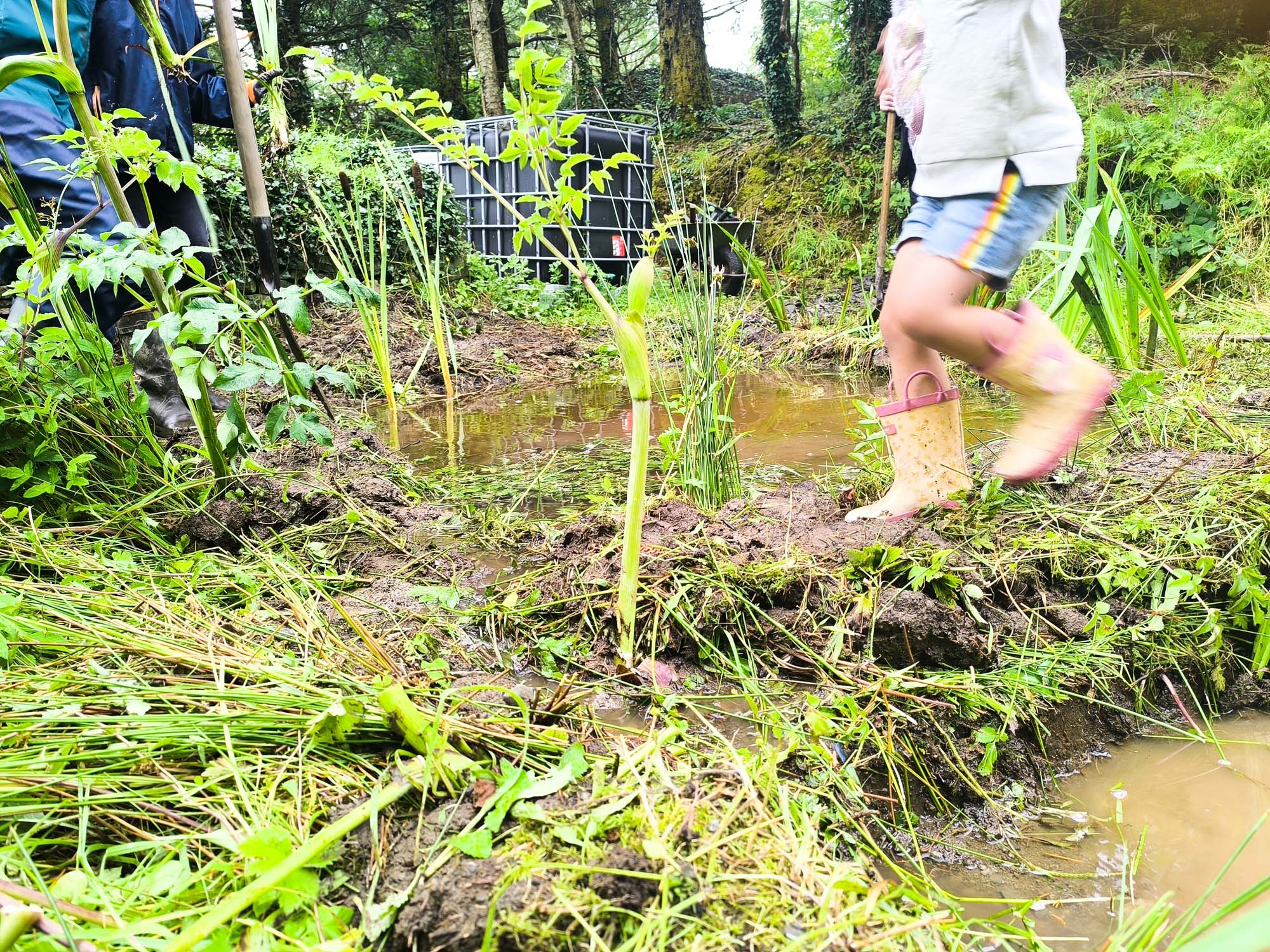
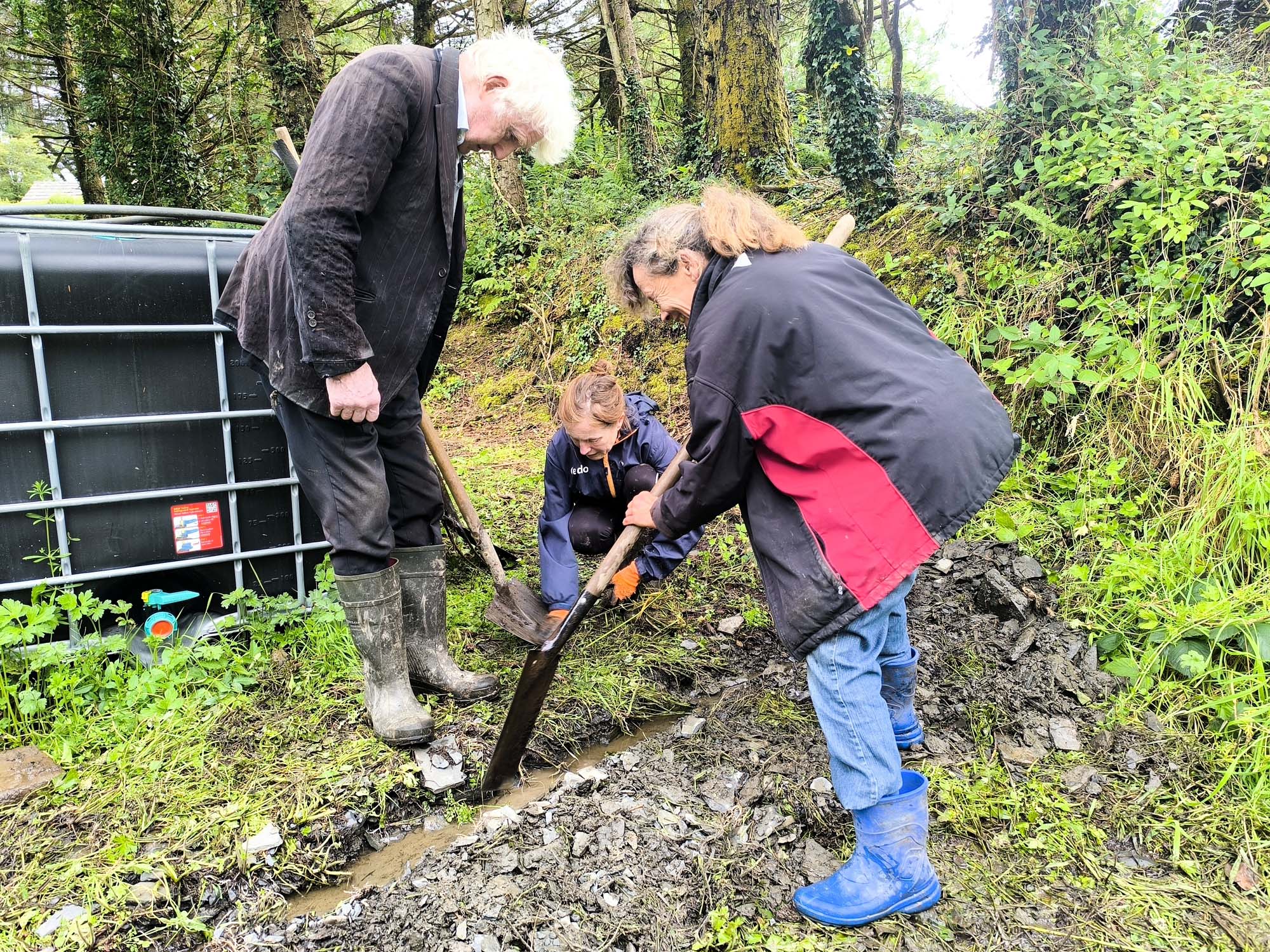
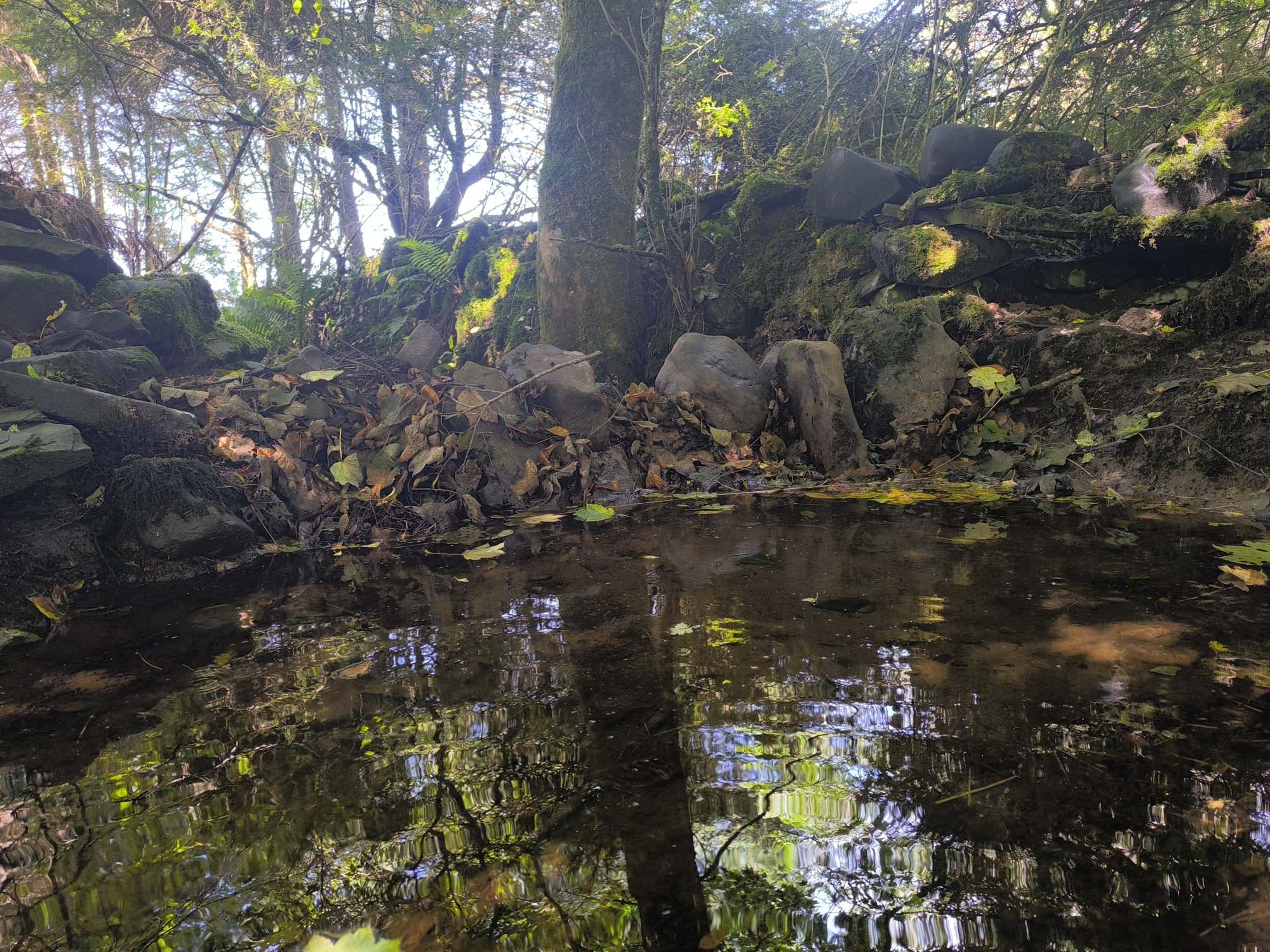
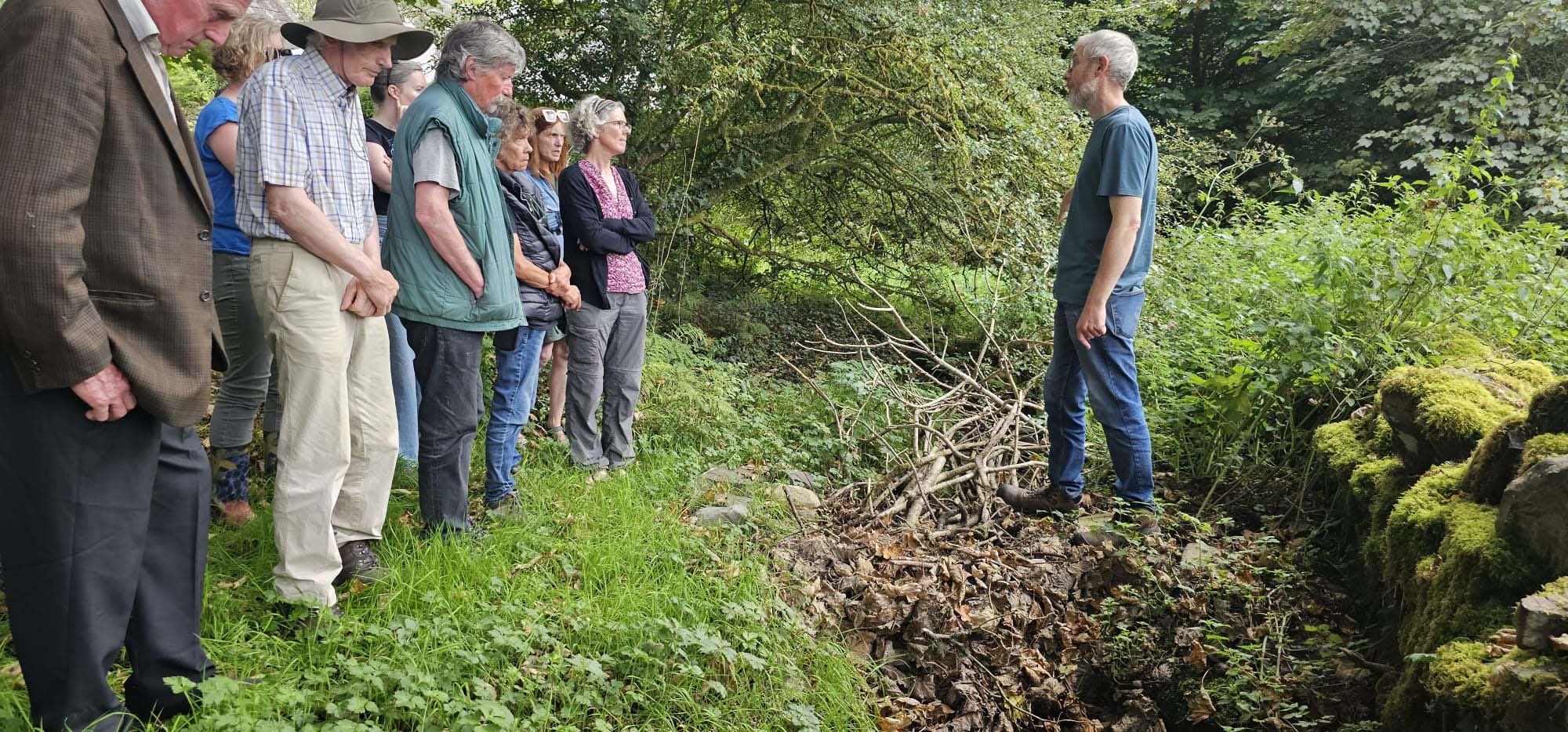
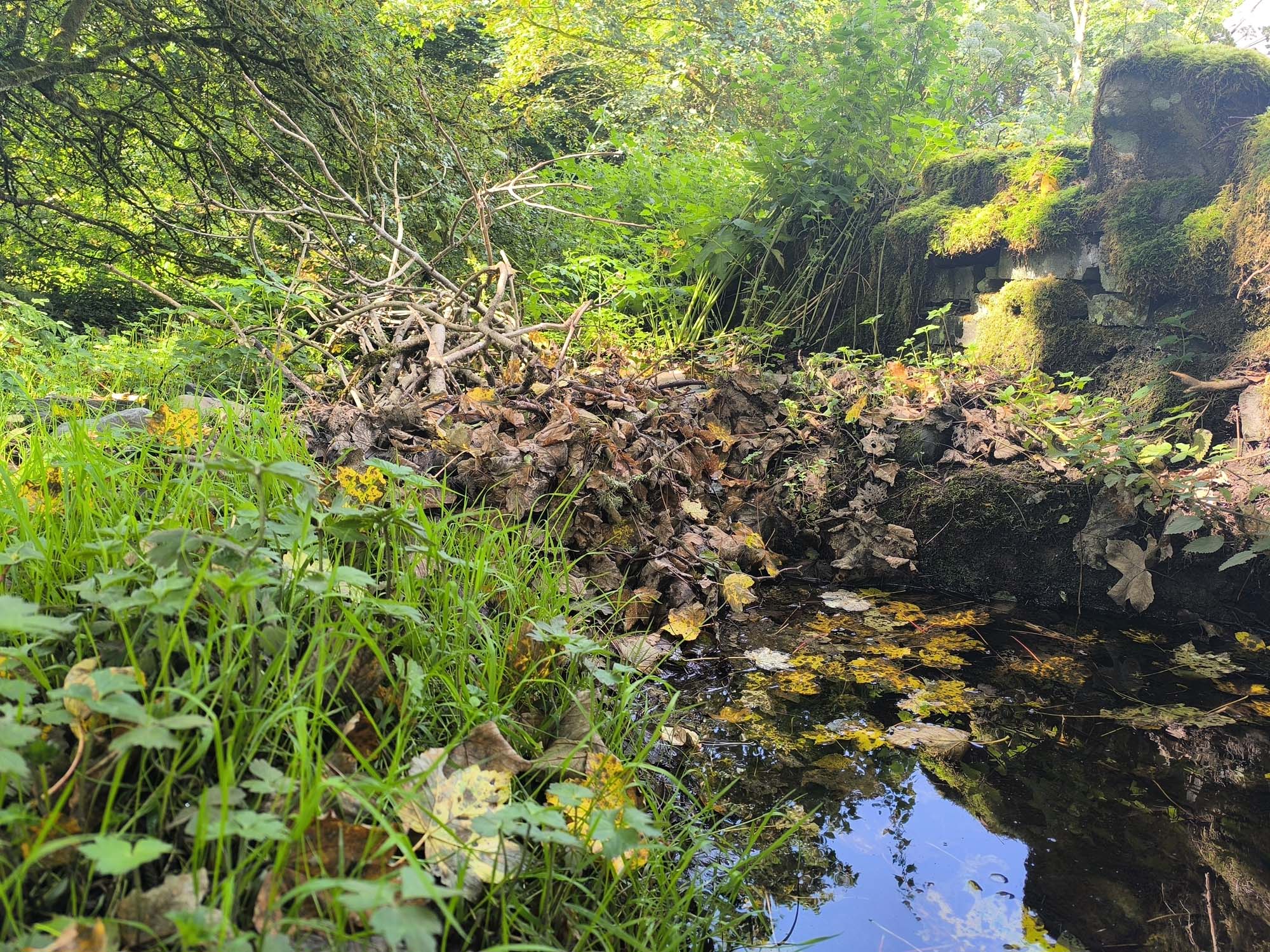
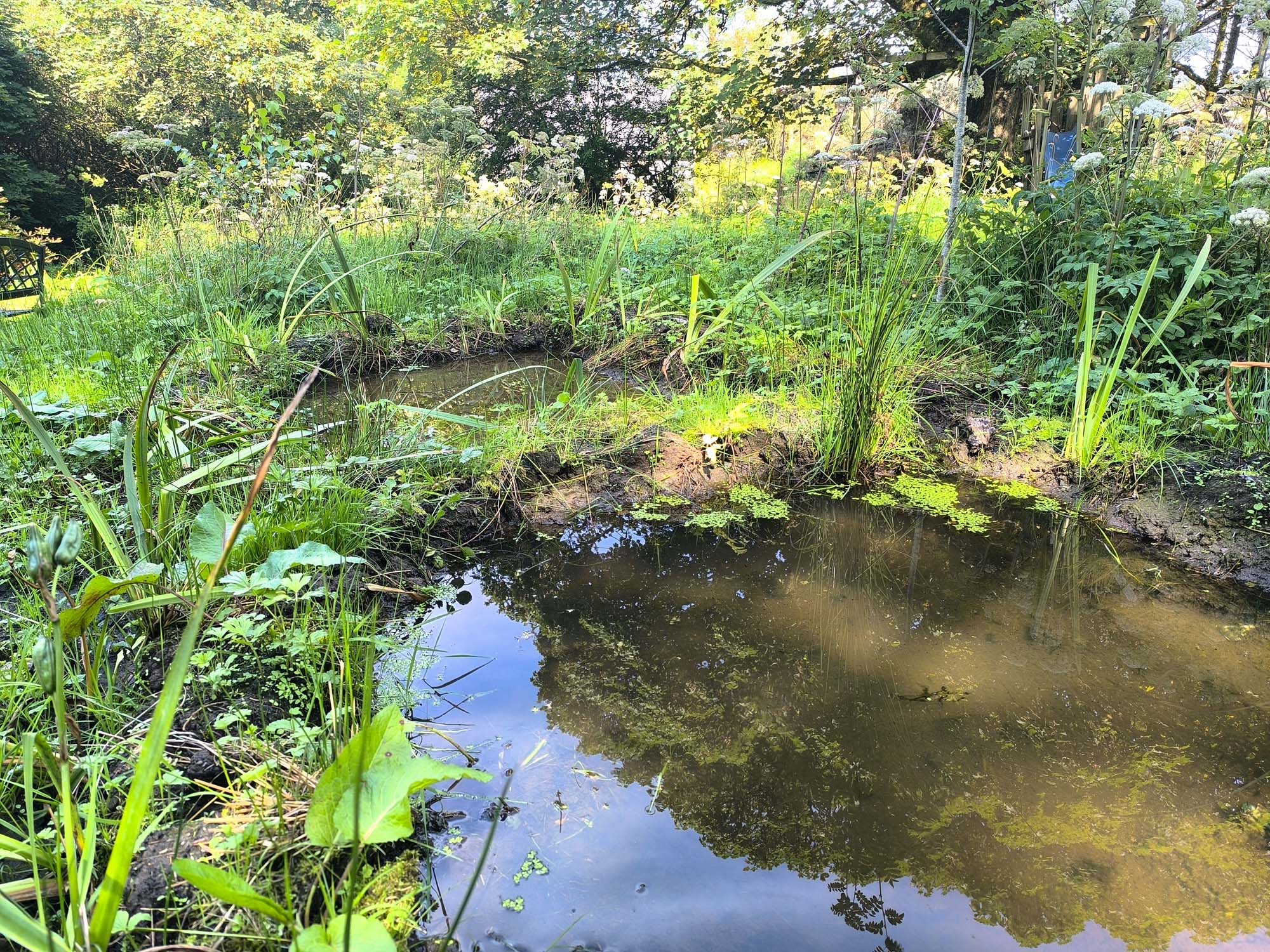
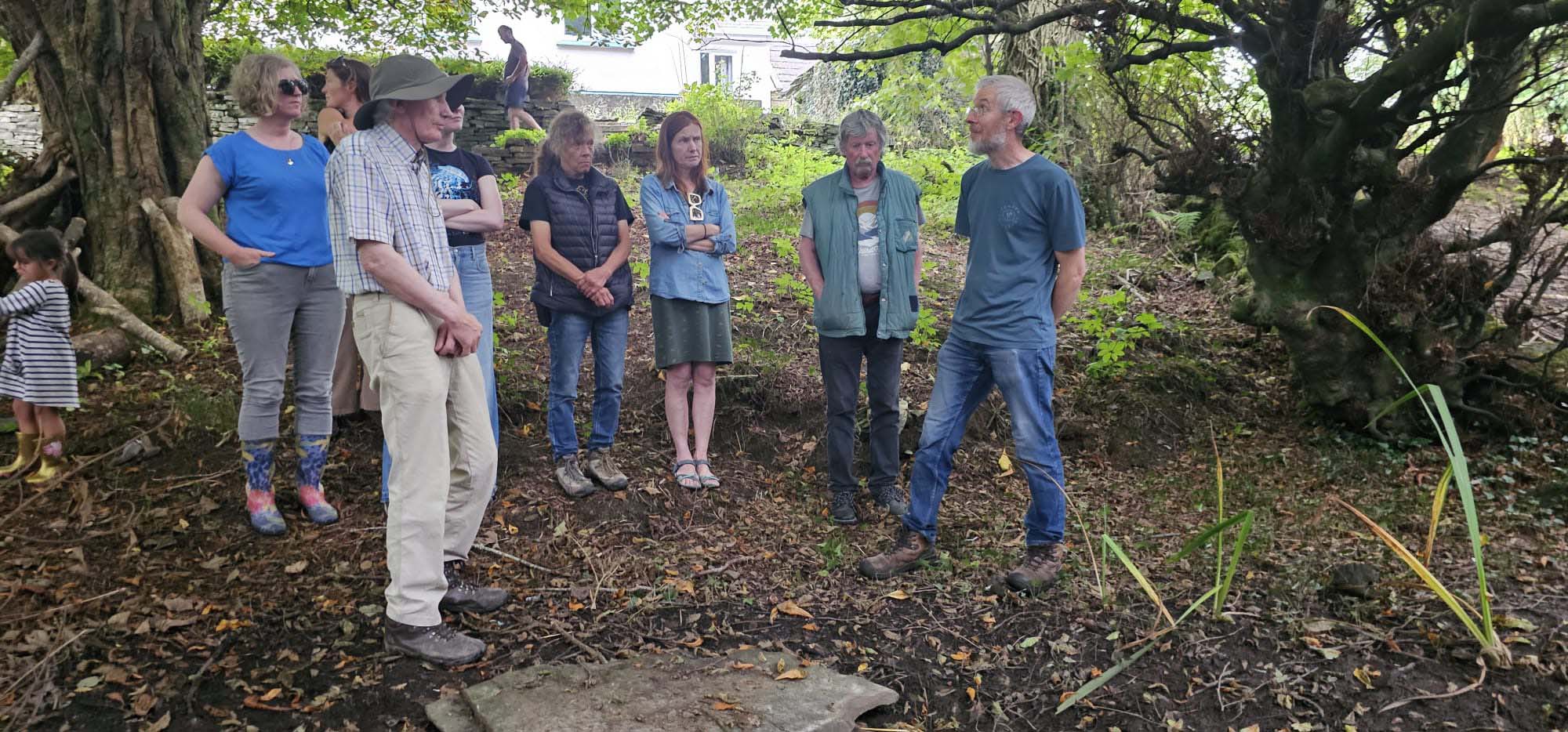
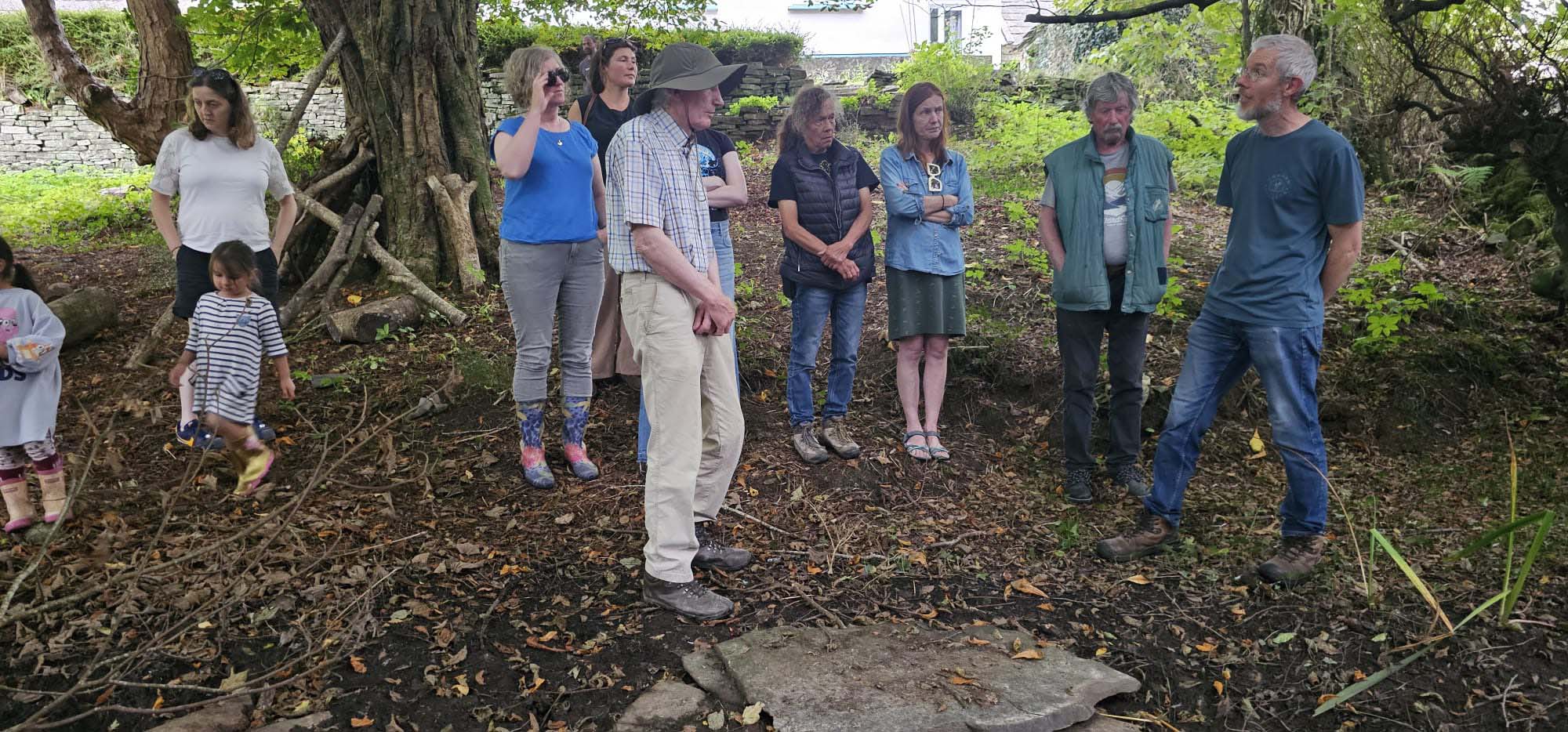
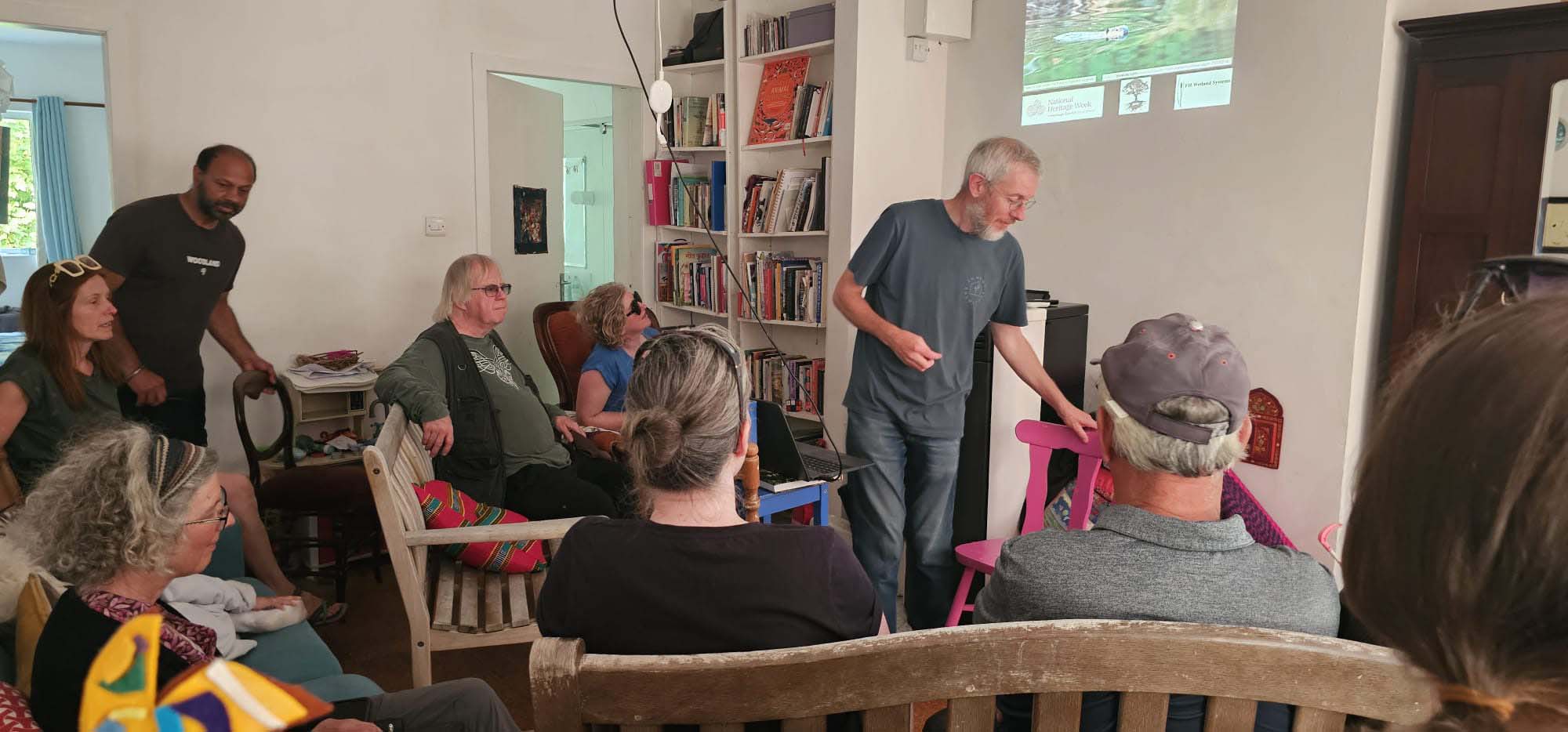
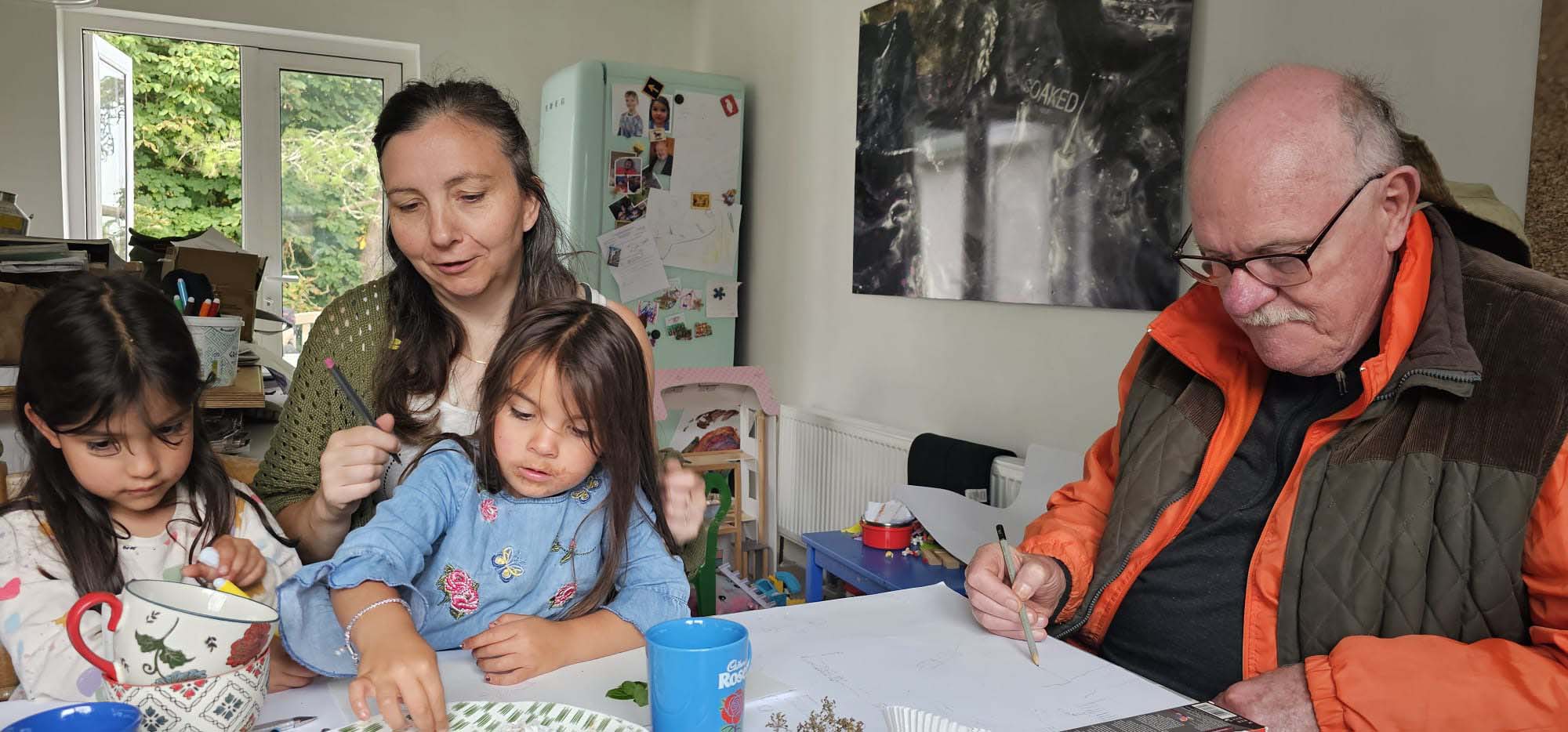
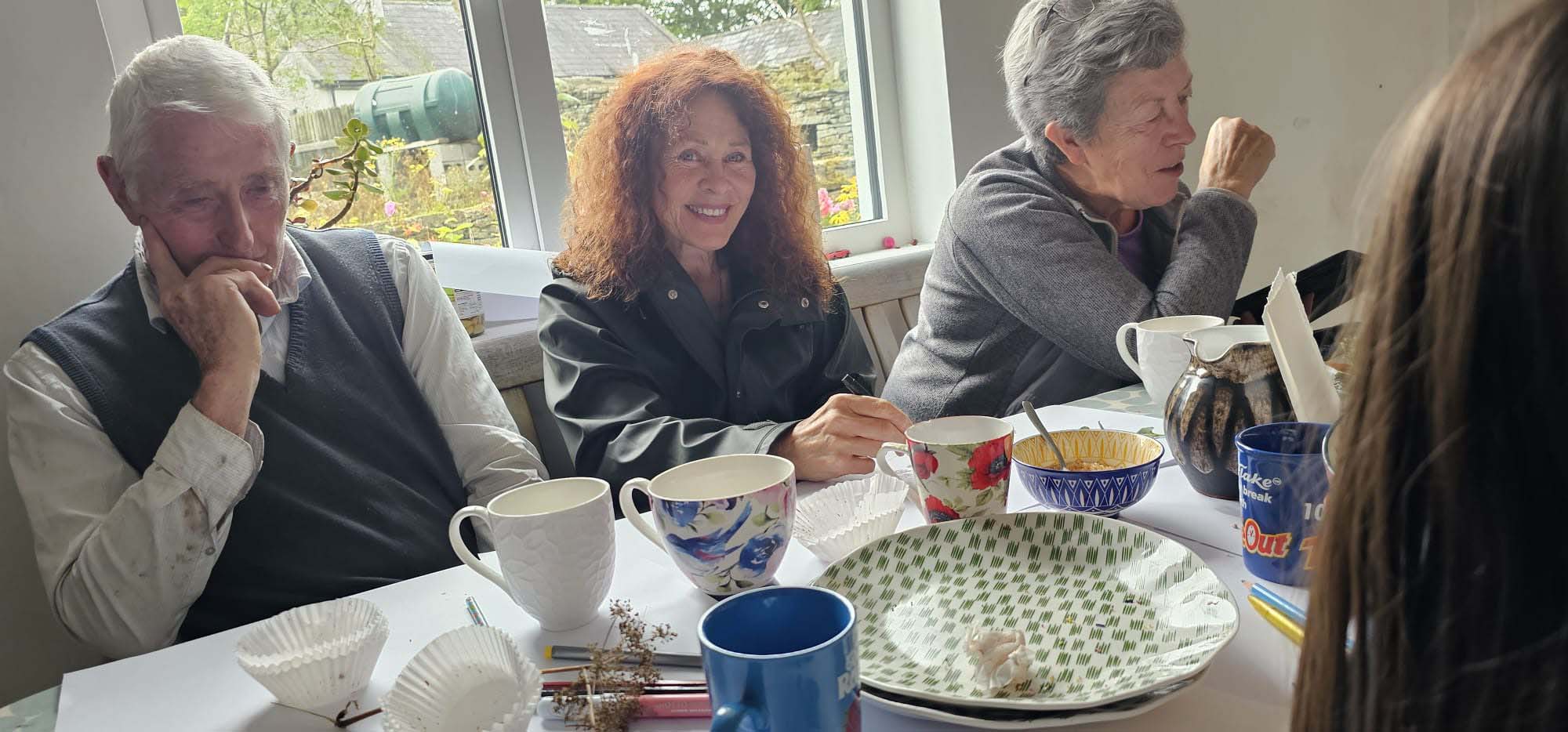
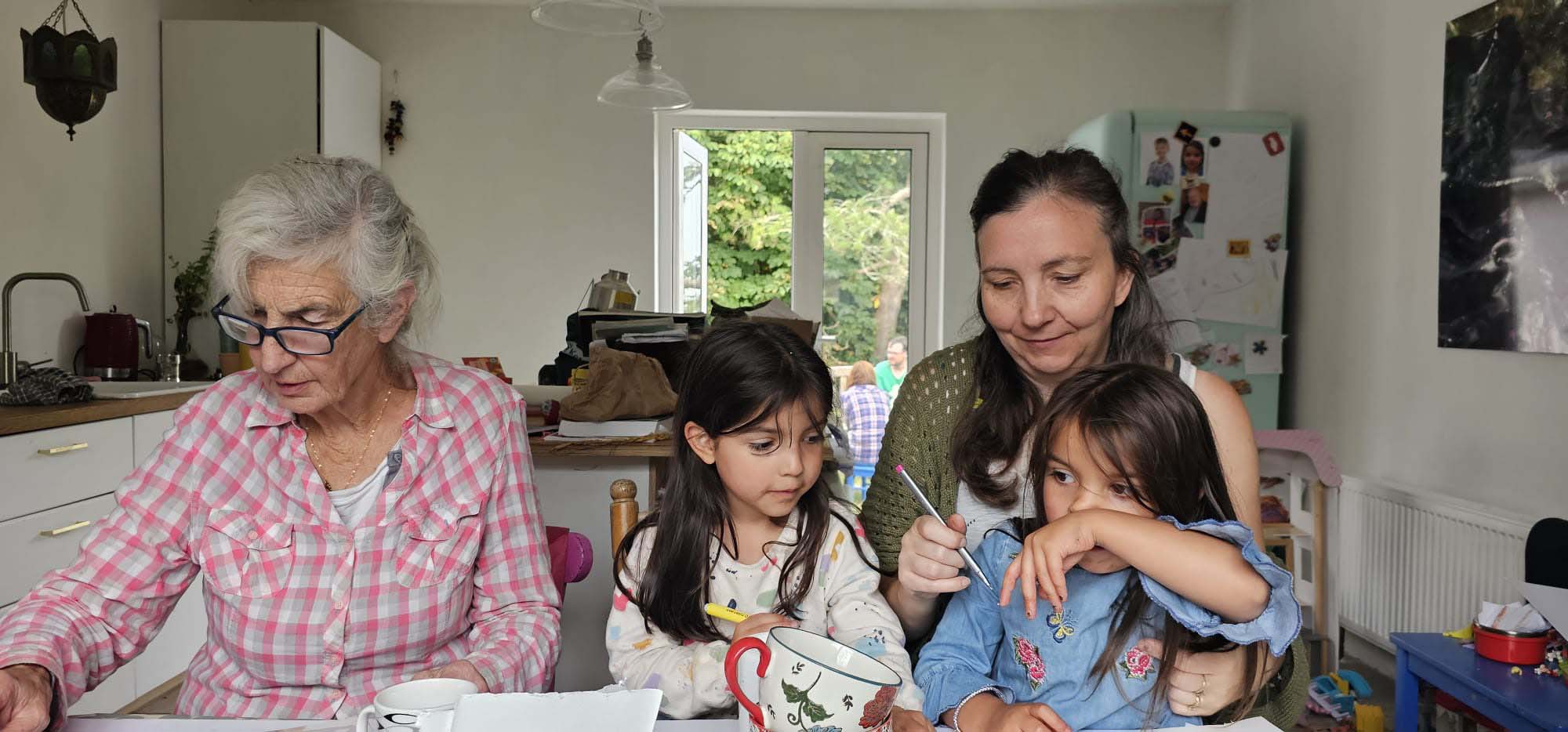
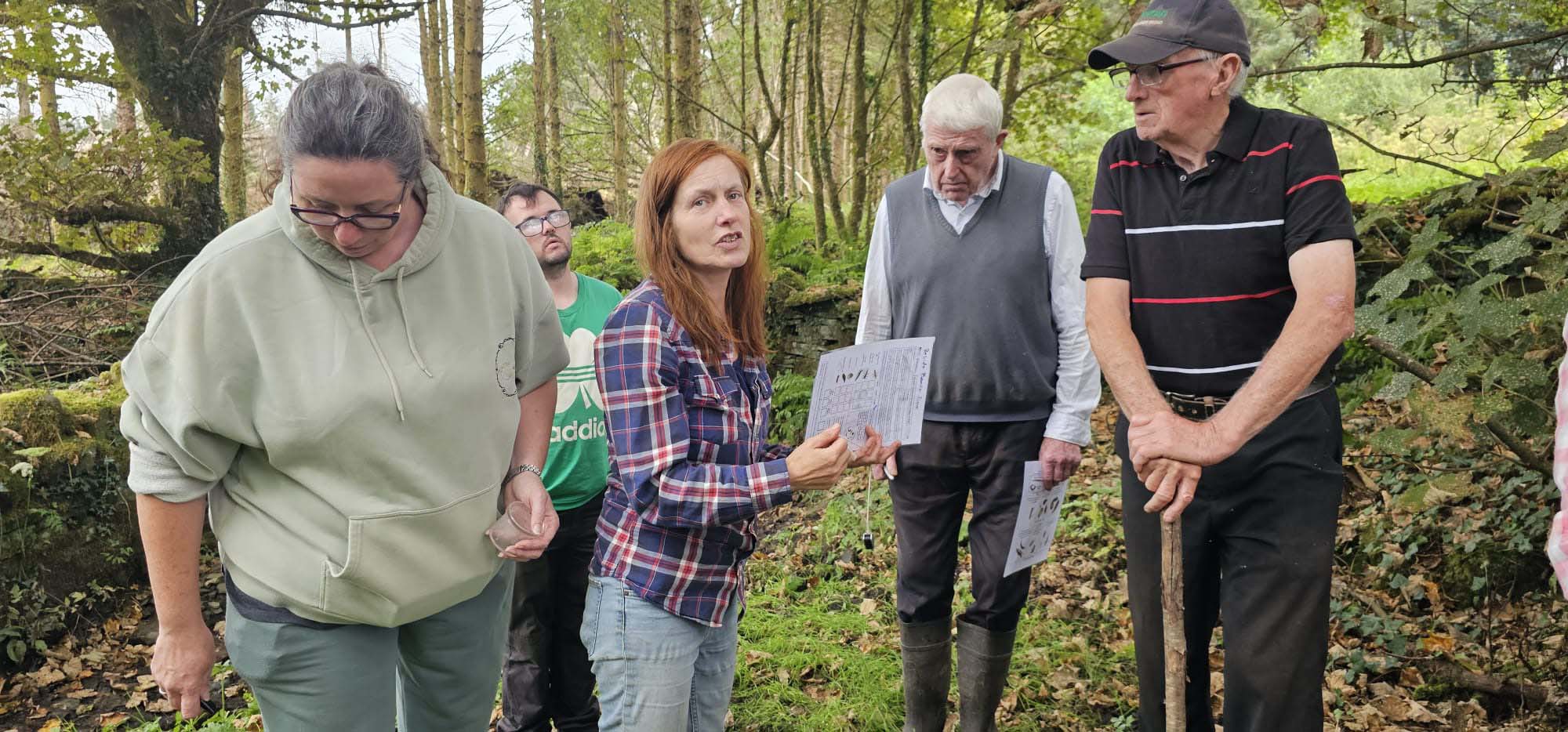
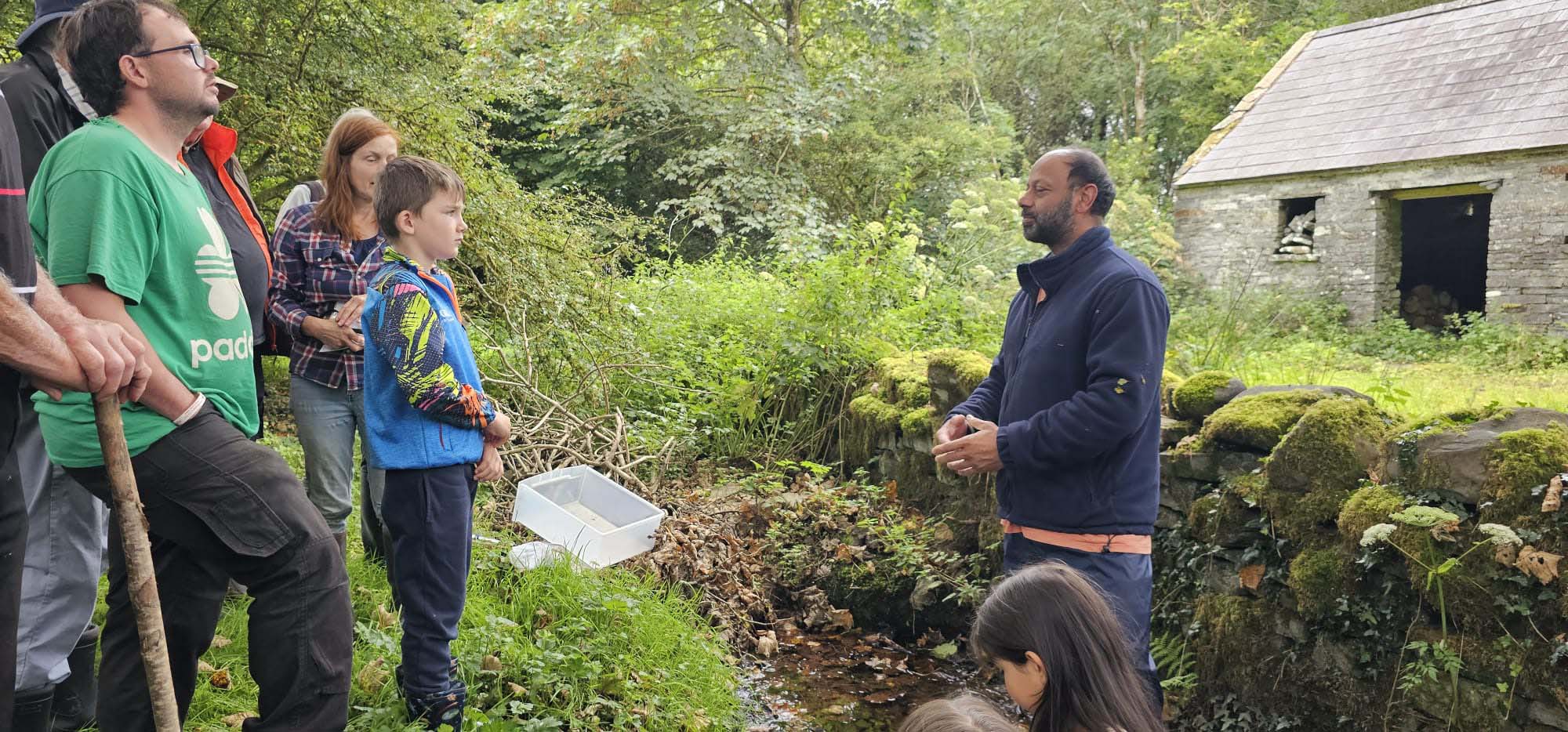
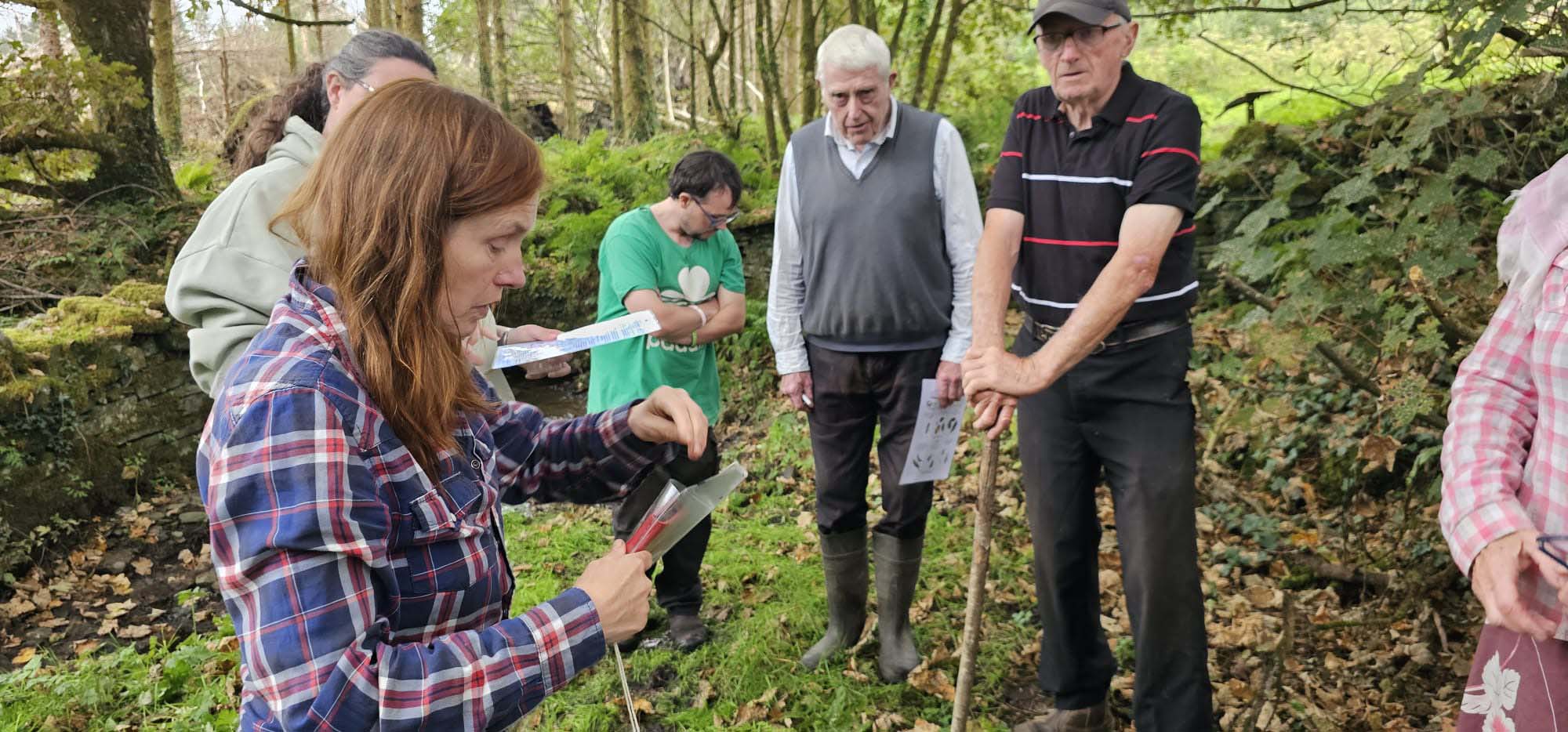
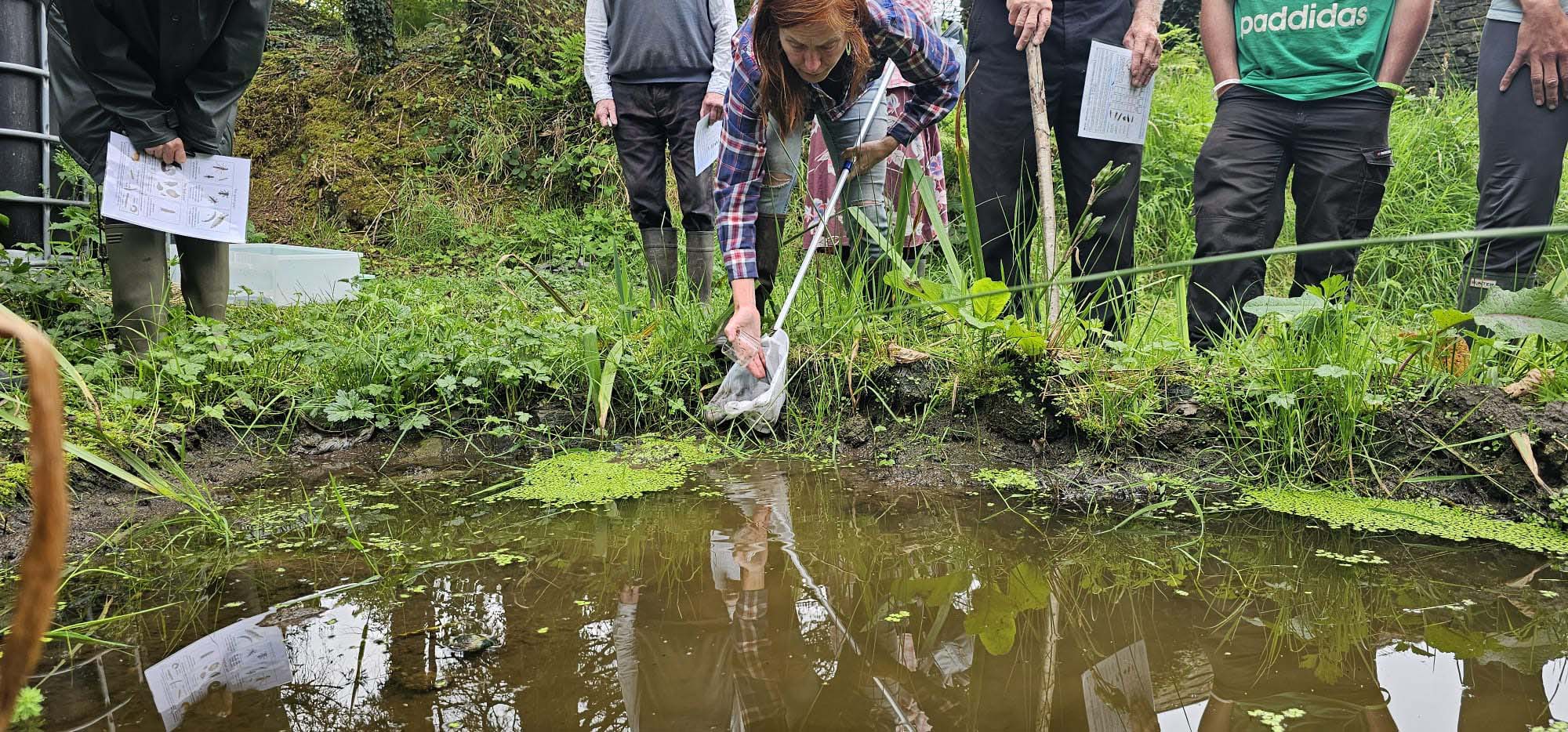
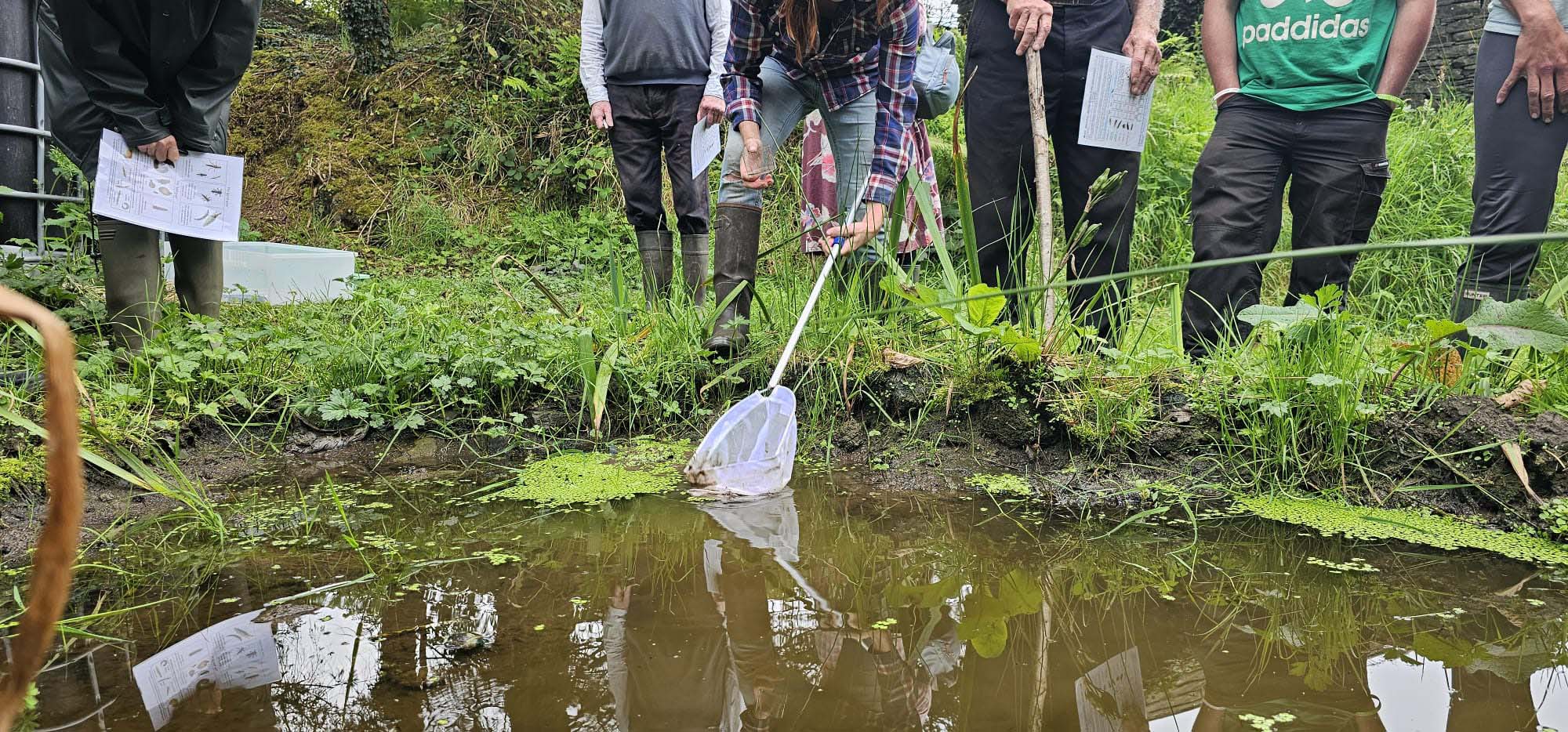
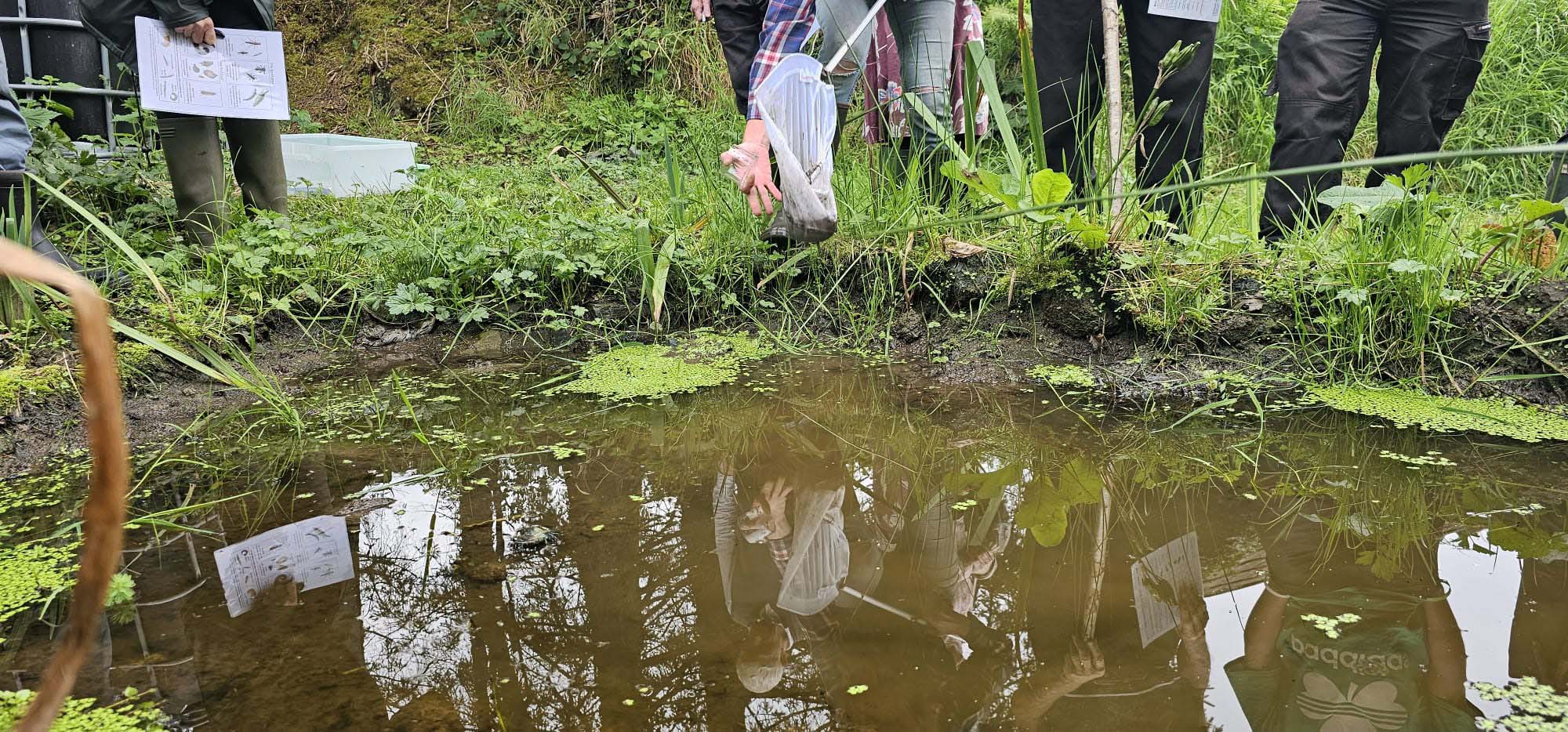
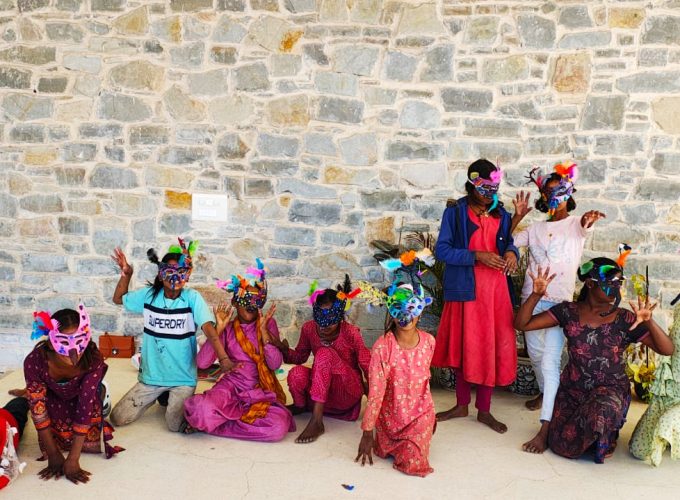
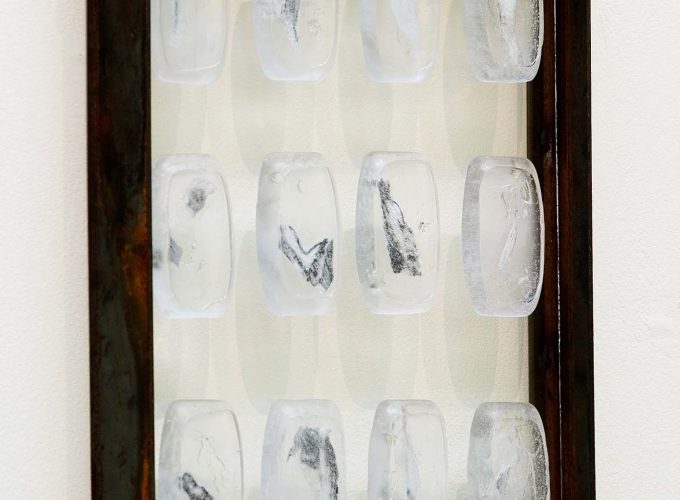
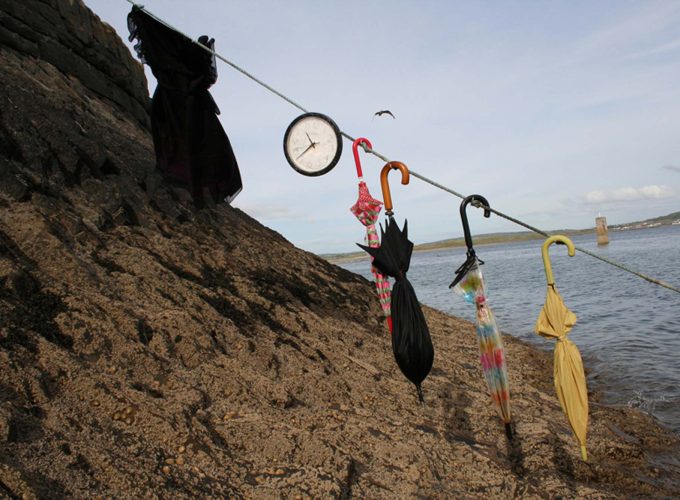
In collaboration with Feidhlim Harty (FH Wetland Systems), horticulturalist Veerle Claeys, farmers, neighbours, and local land stewards, Collins convened three days of collective labour and performative action. Together, they produced two dam installations through performative action on a stream feeding Lickeen Lake and dug four ponds to catch and filter water run-off, later rewilded with native plants. These gestures were ecological, but also symbolic—challenging extractive logics that see water as commodity, instead re-framing it as kin and collaborator.
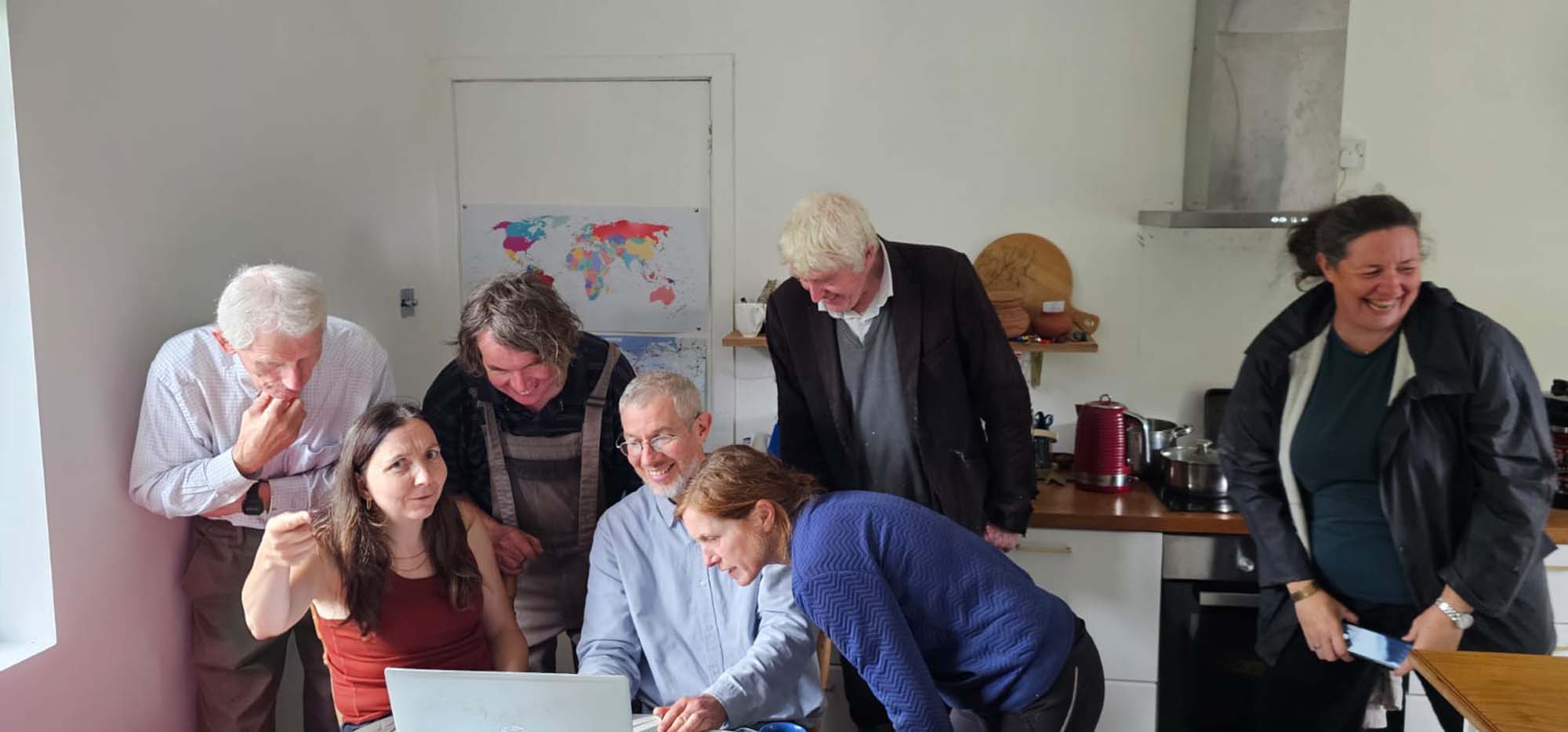
Central to the process was dialogue: conversations and laughter shared across shovels, and the quiet of listening to water. Learning to unlearn. Trying to make sense of the algal blooms on the lake in recent years. This exchange became a site of embodied critique (a term coined by Woods), where error, uncertainty, and slowness were embraced as part of decolonial sense-making. By suspending the demand for efficiency, participants could attend differently—to the textures of mud, the rhythms of bodies, and the overlooked knowledge carried in place.
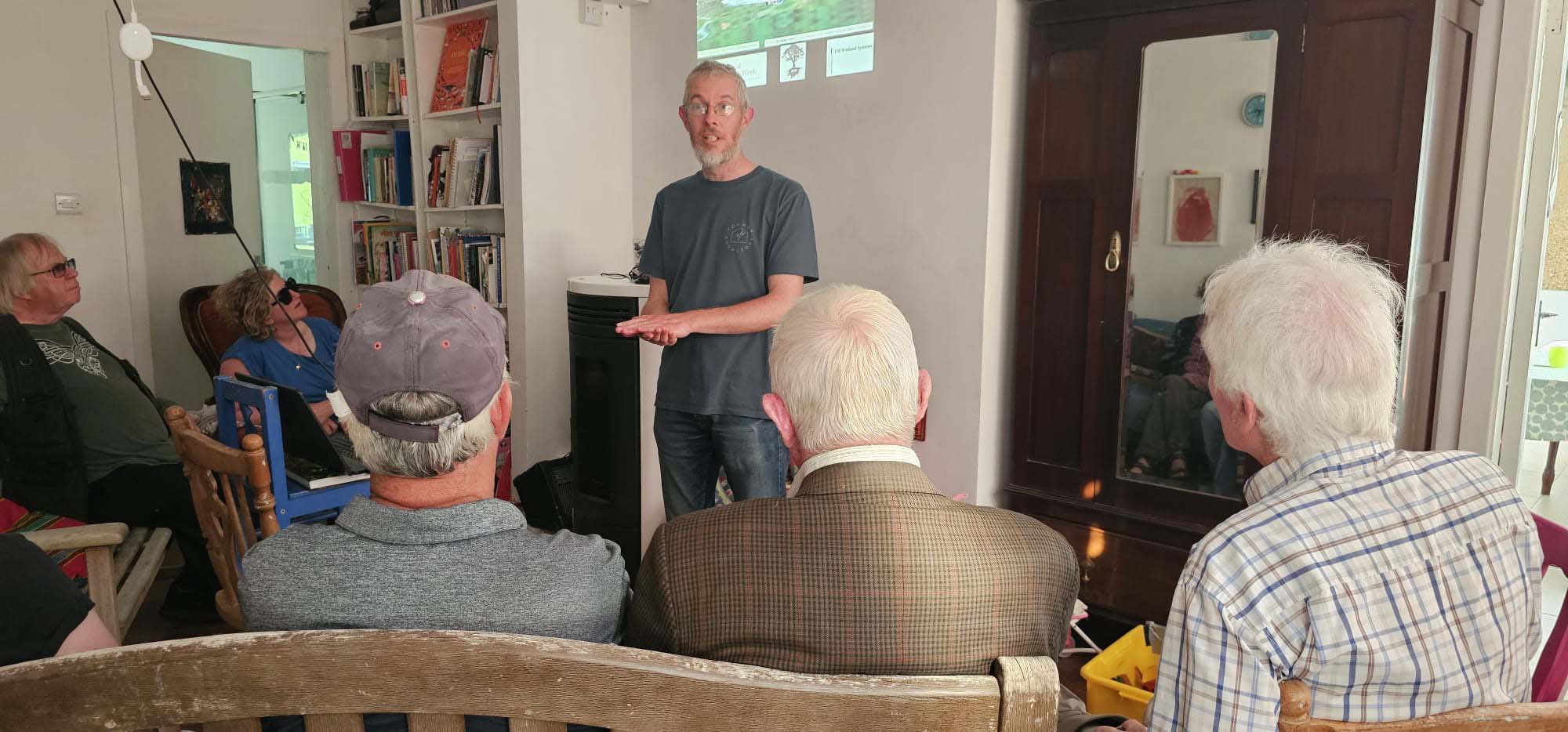
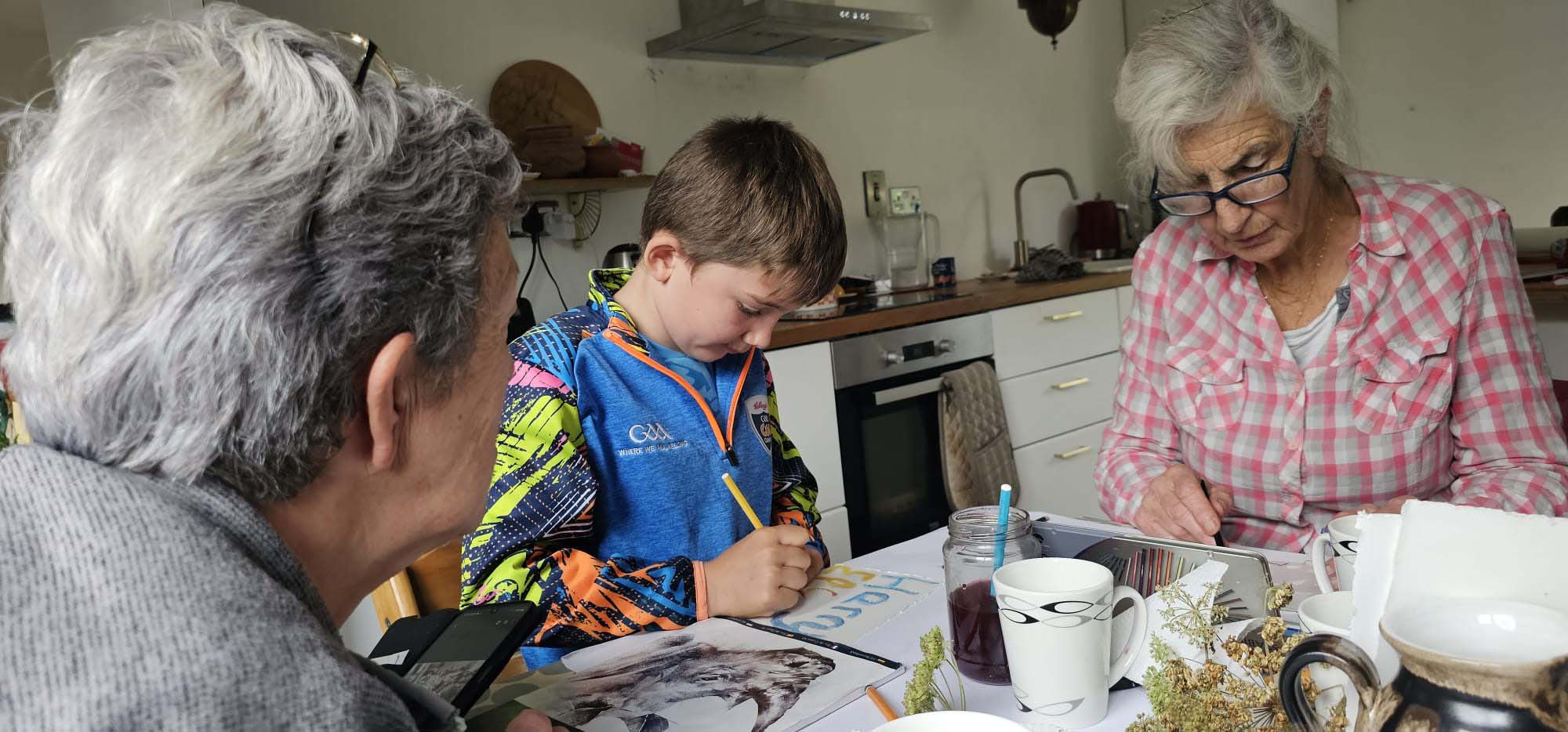
Two public events, supported by LAWPRO during Heritage Week, extended this inquiry: Harty’s walk-and-talk on beavers reclaimed suppressed ecological histories, while Claeys’ biodiversity count with a combined drawing session by Collins offered ways of seeing often excluded from dominant scientific narratives.
Outcome
What began as a single, site-responsive work in the Lickeen Lake catchment became the initial seven days of Sruth (Flow). The relationships formed, the shared labour, and the questions that surfaced did not end with the ponds and dams; they carried forward, expanding into the longer, more fluid process of Sruth. In this way, PondER demonstrates how one focused intervention—rooted in place and shaped by collective care—can ripple outward, generating not only ecological repair but the conditions for a broader, ongoing project.