Encounters Across Three Counties
Ballaghaderreen, Co. Roscommon
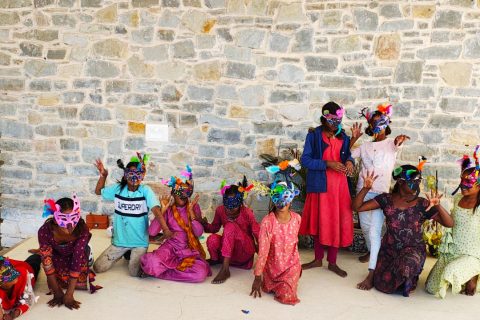
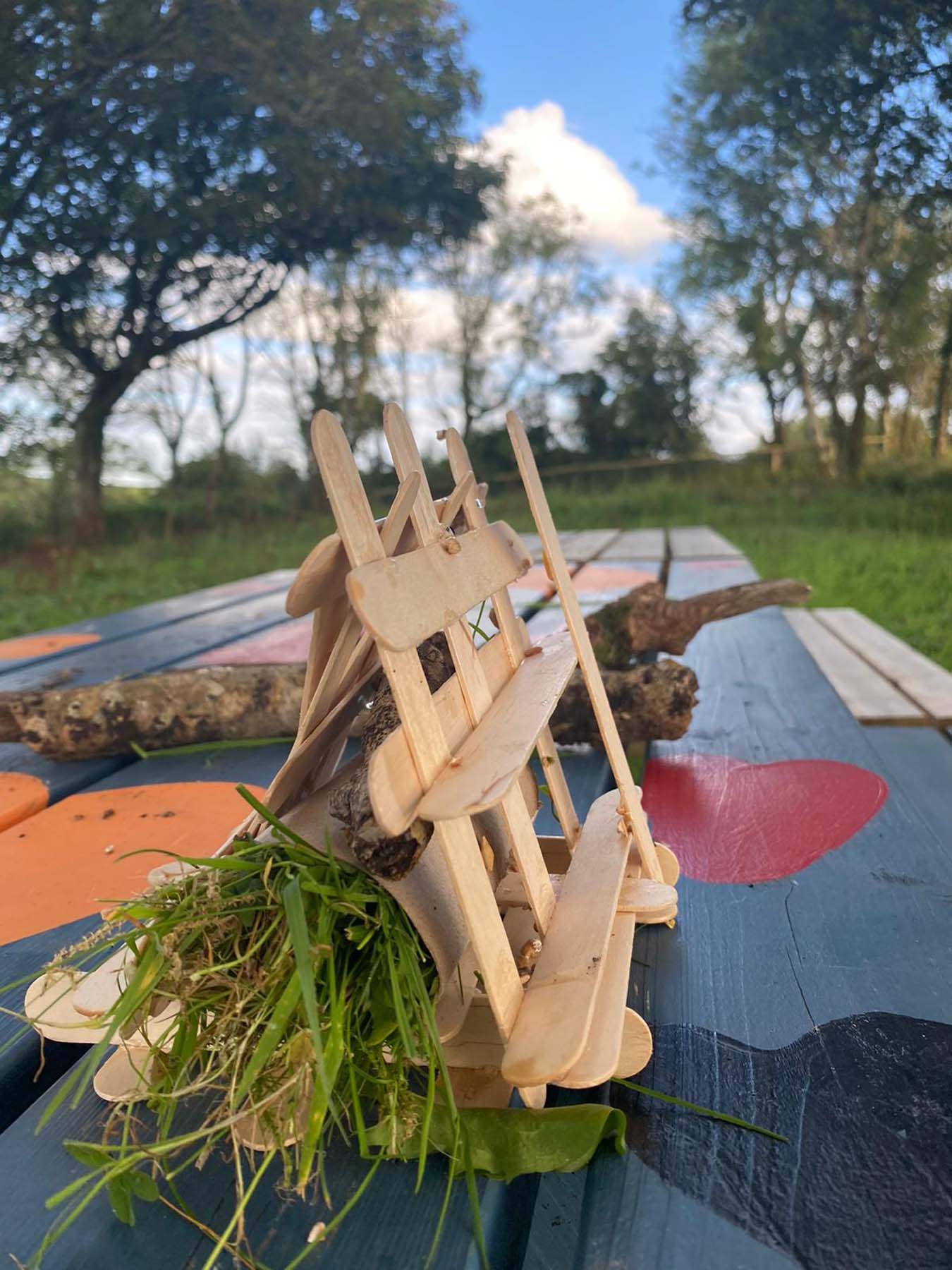
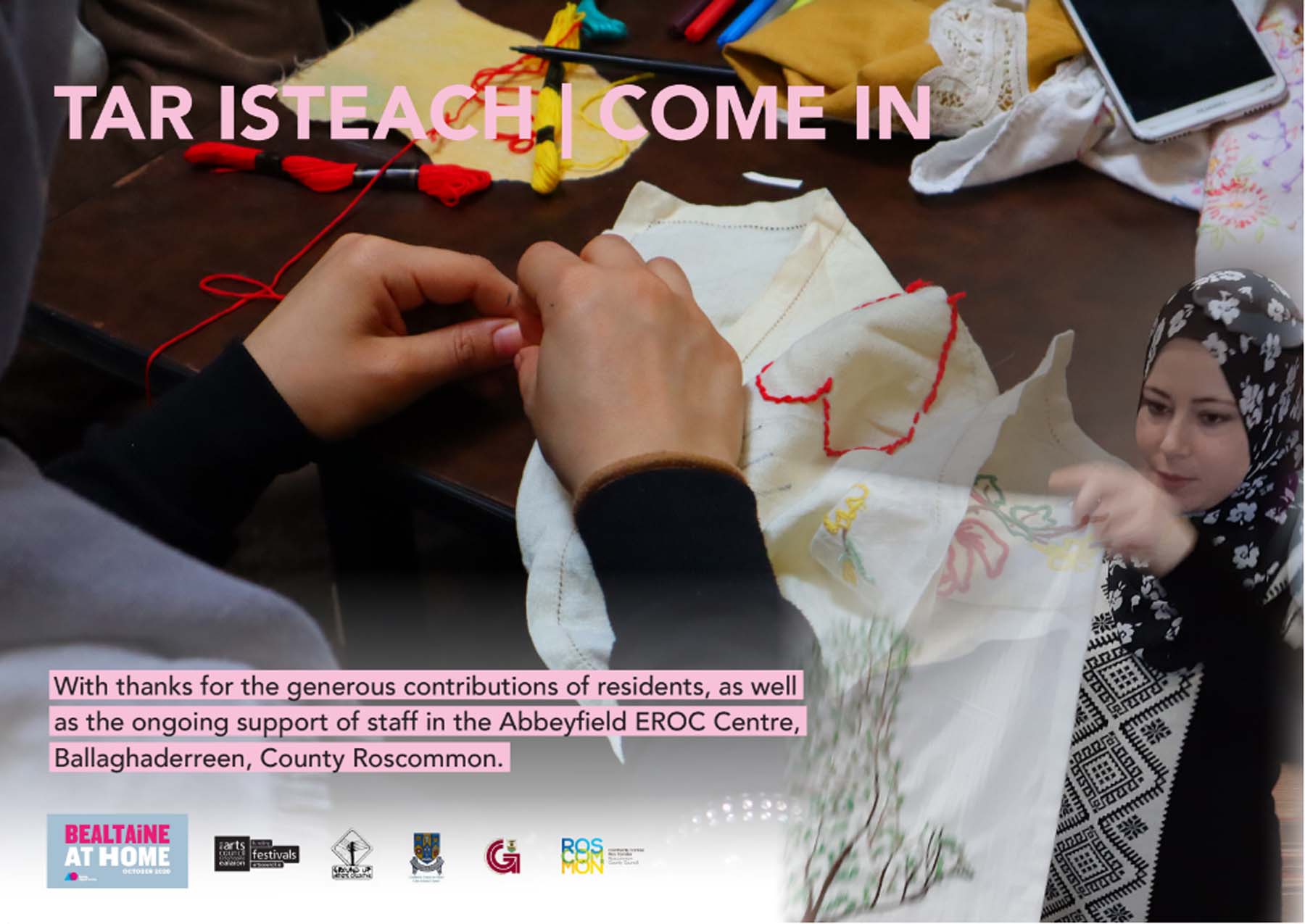
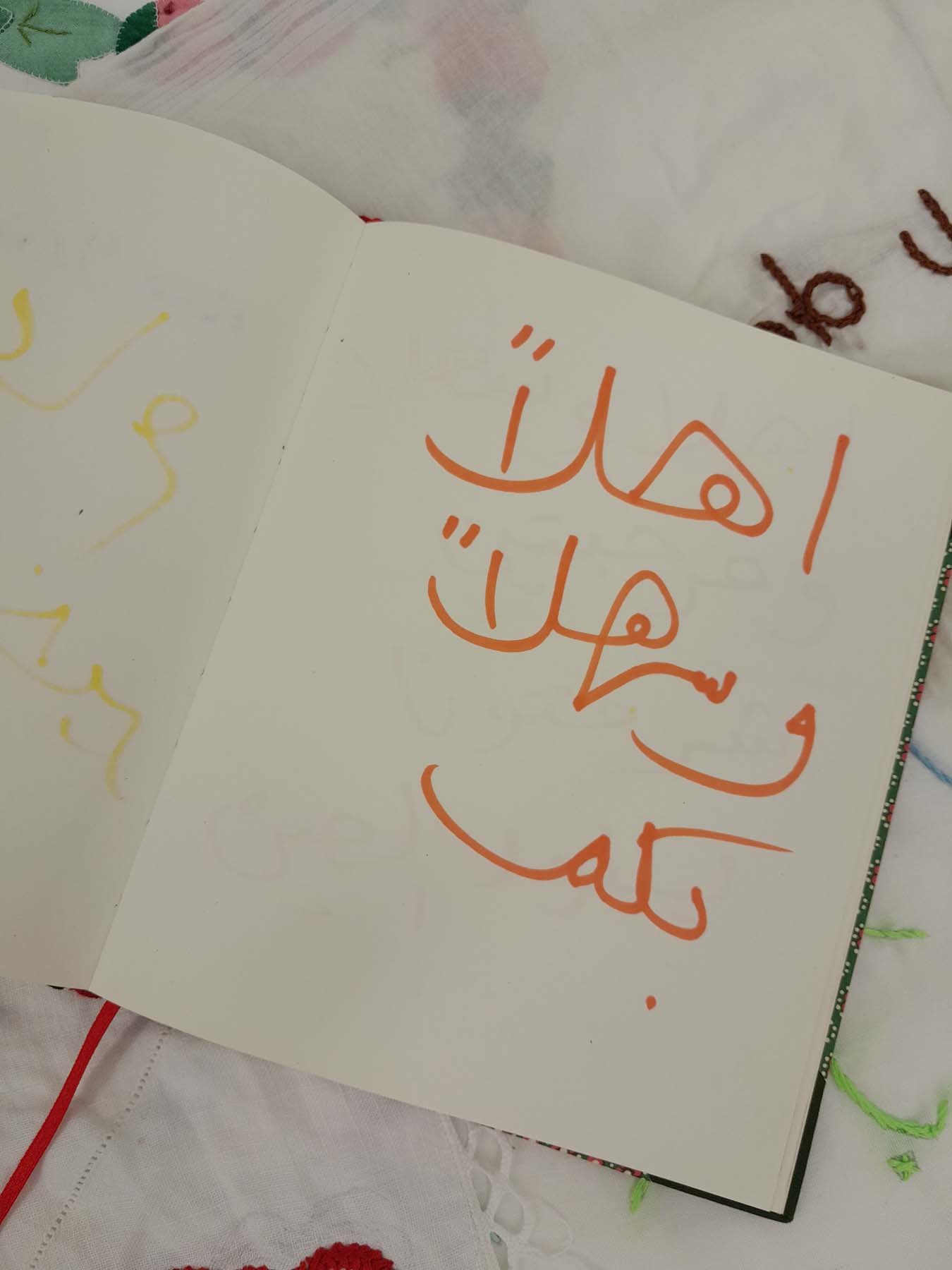
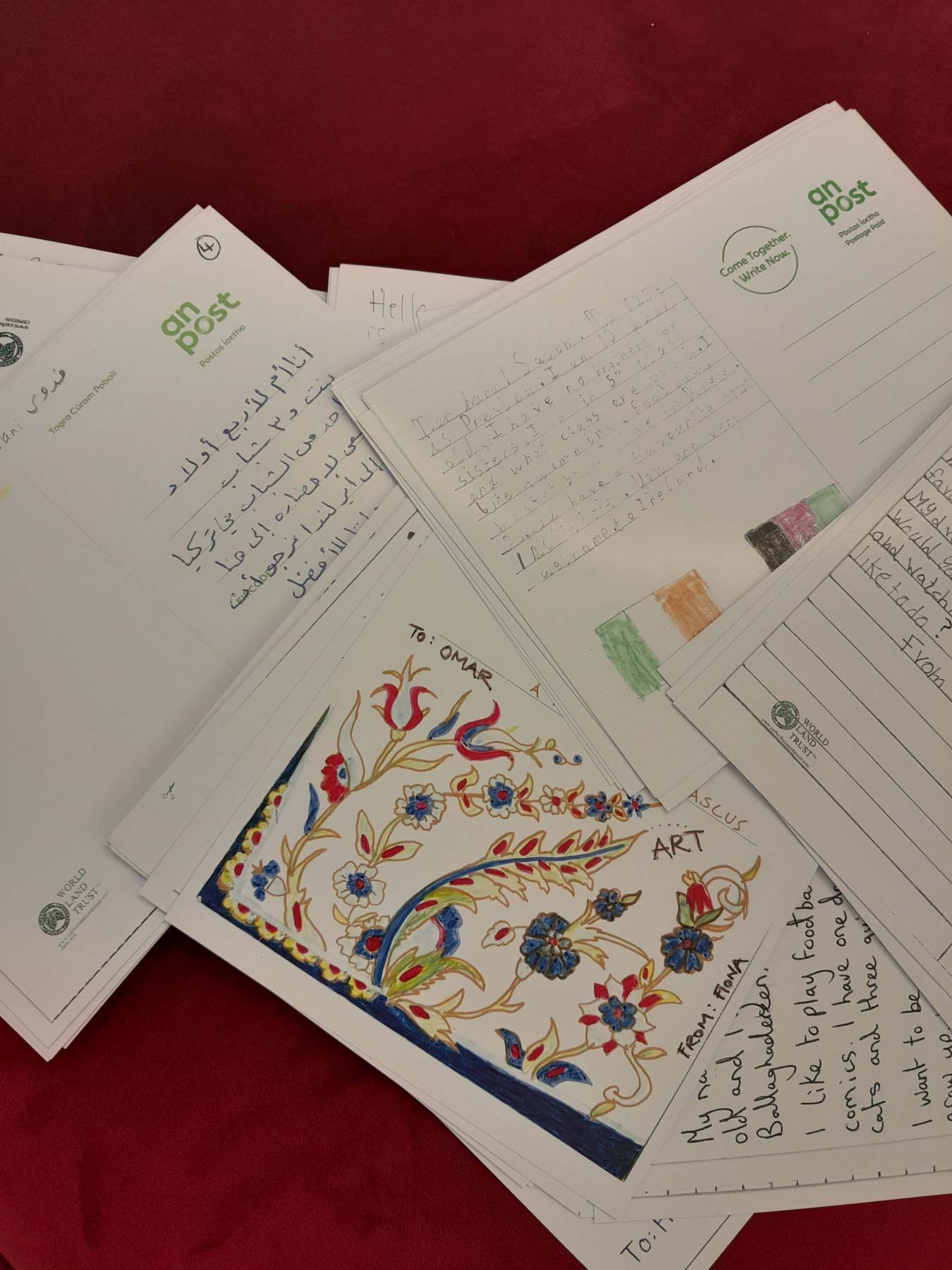
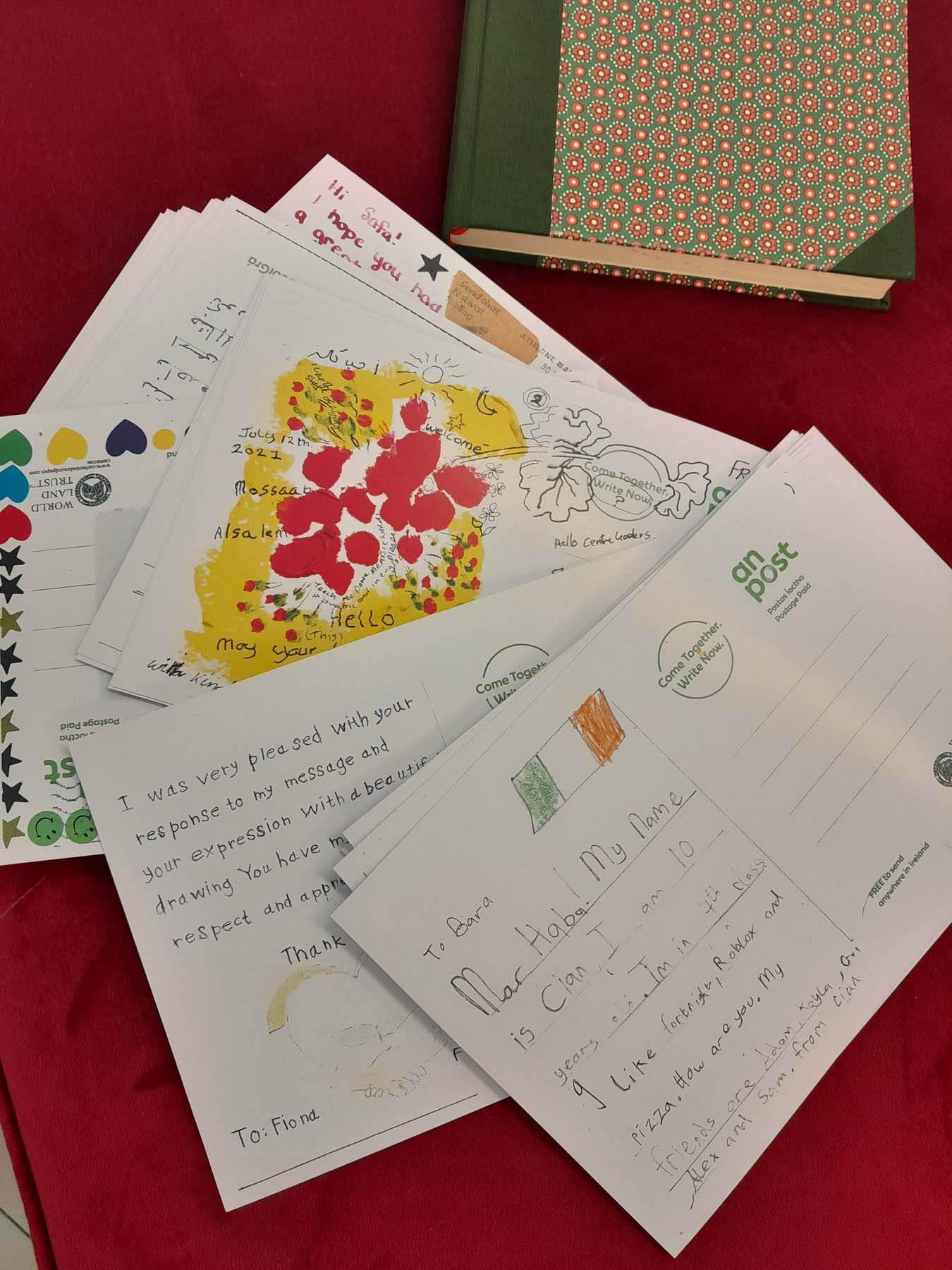
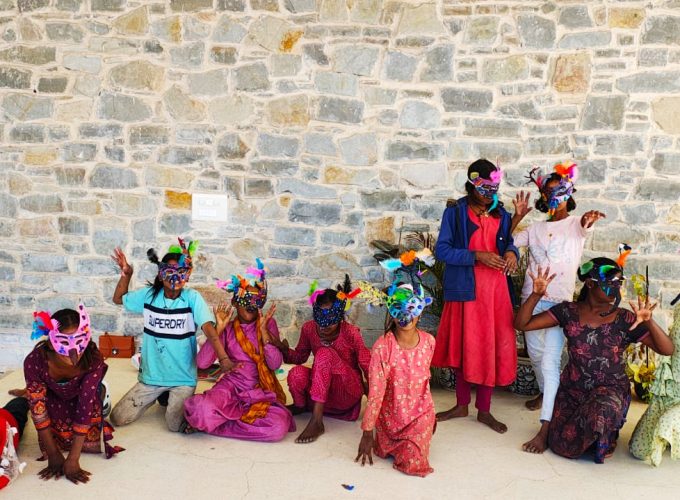
Artist Julie Griffith collaborated with refugees and asylum applicants to co-create a celebration of Eid Al Fitr (Little Eid). Hosting a festival placed newcomers in the role of welcoming others, inverting traditional power dynamics of hospitality. The event highlighted the physicality of post-migration life, where customs adapt to new climates, resources, and contexts.
Lisdoonvarnagh, Co. Clare
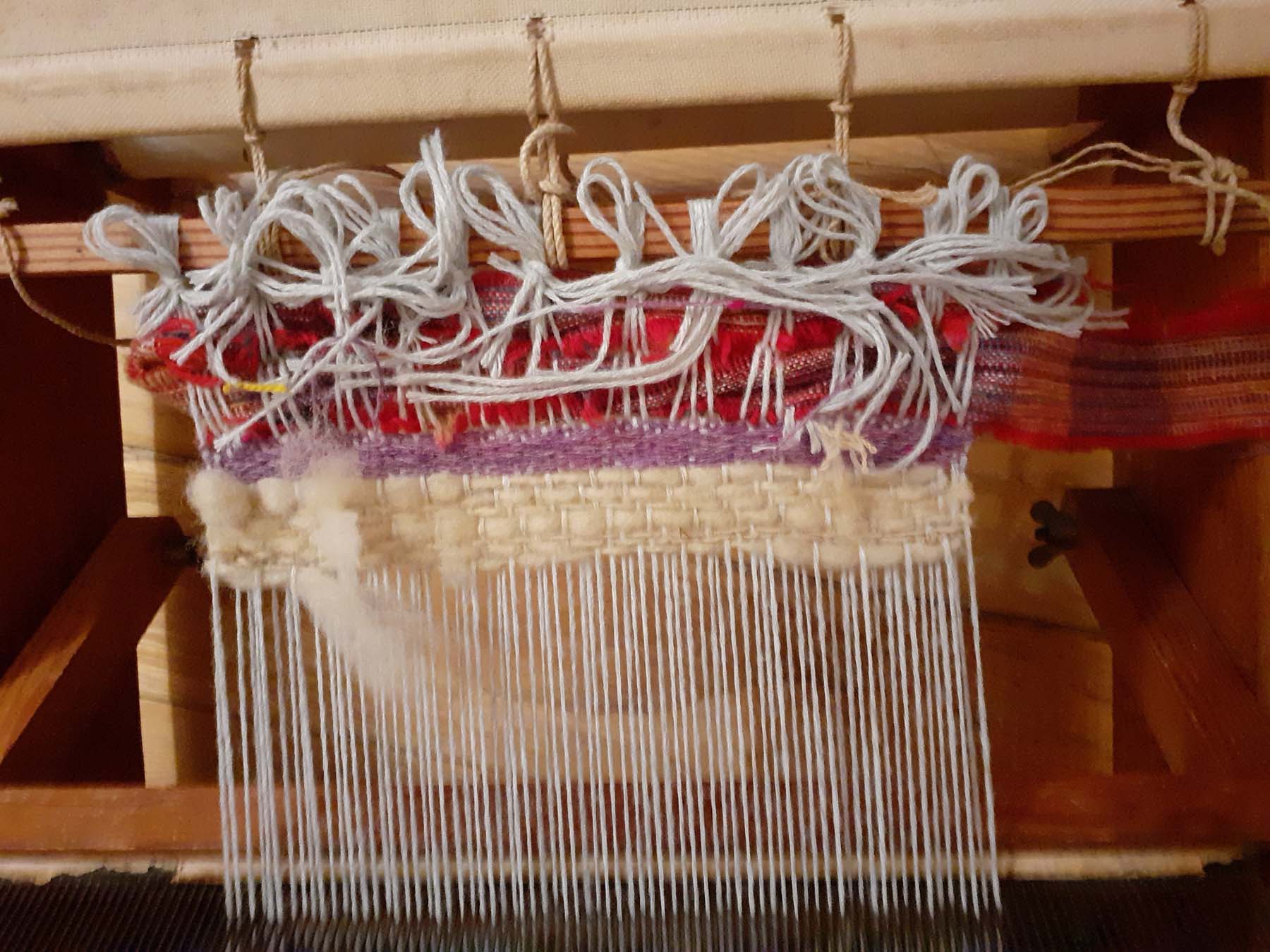
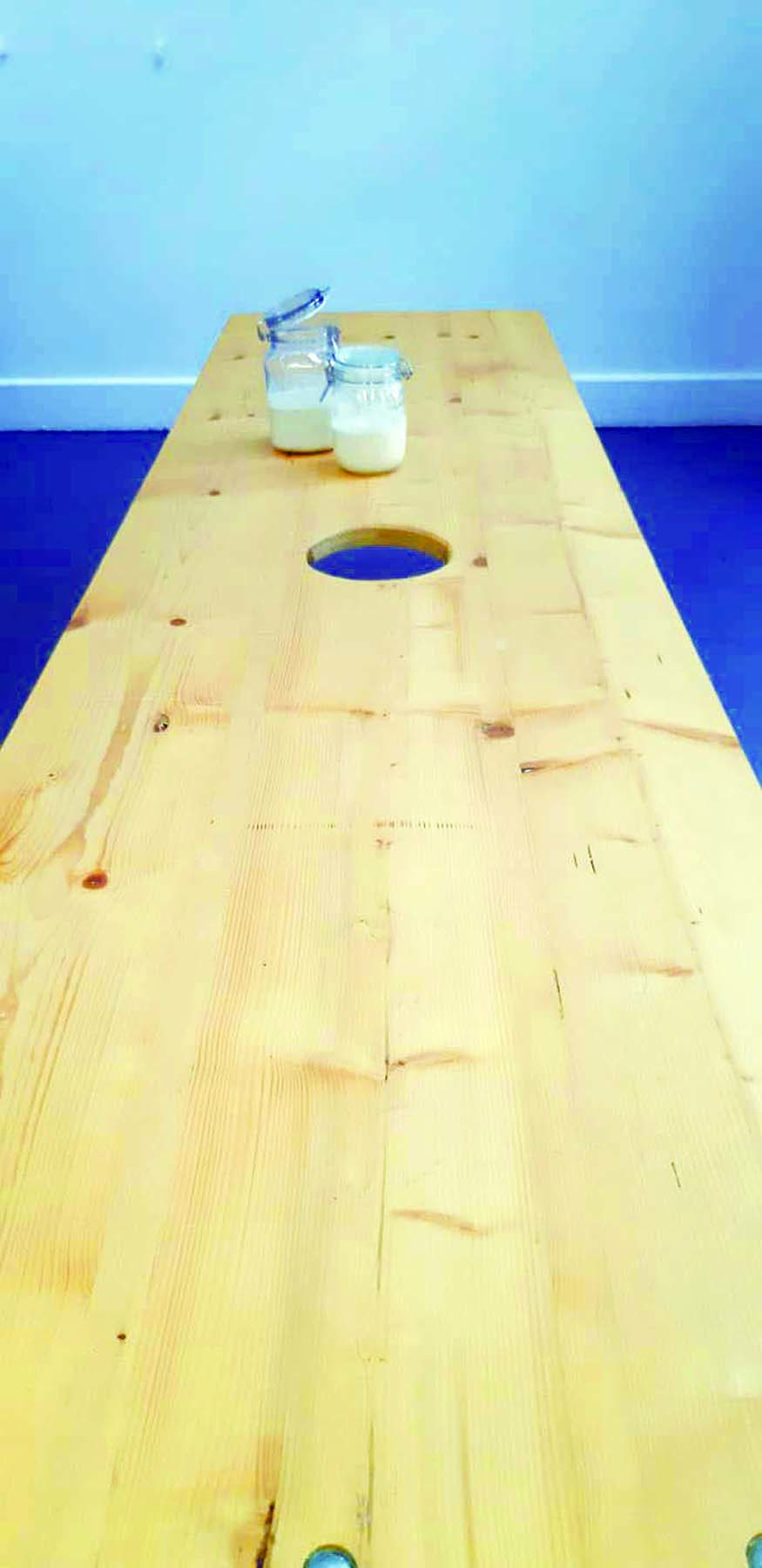
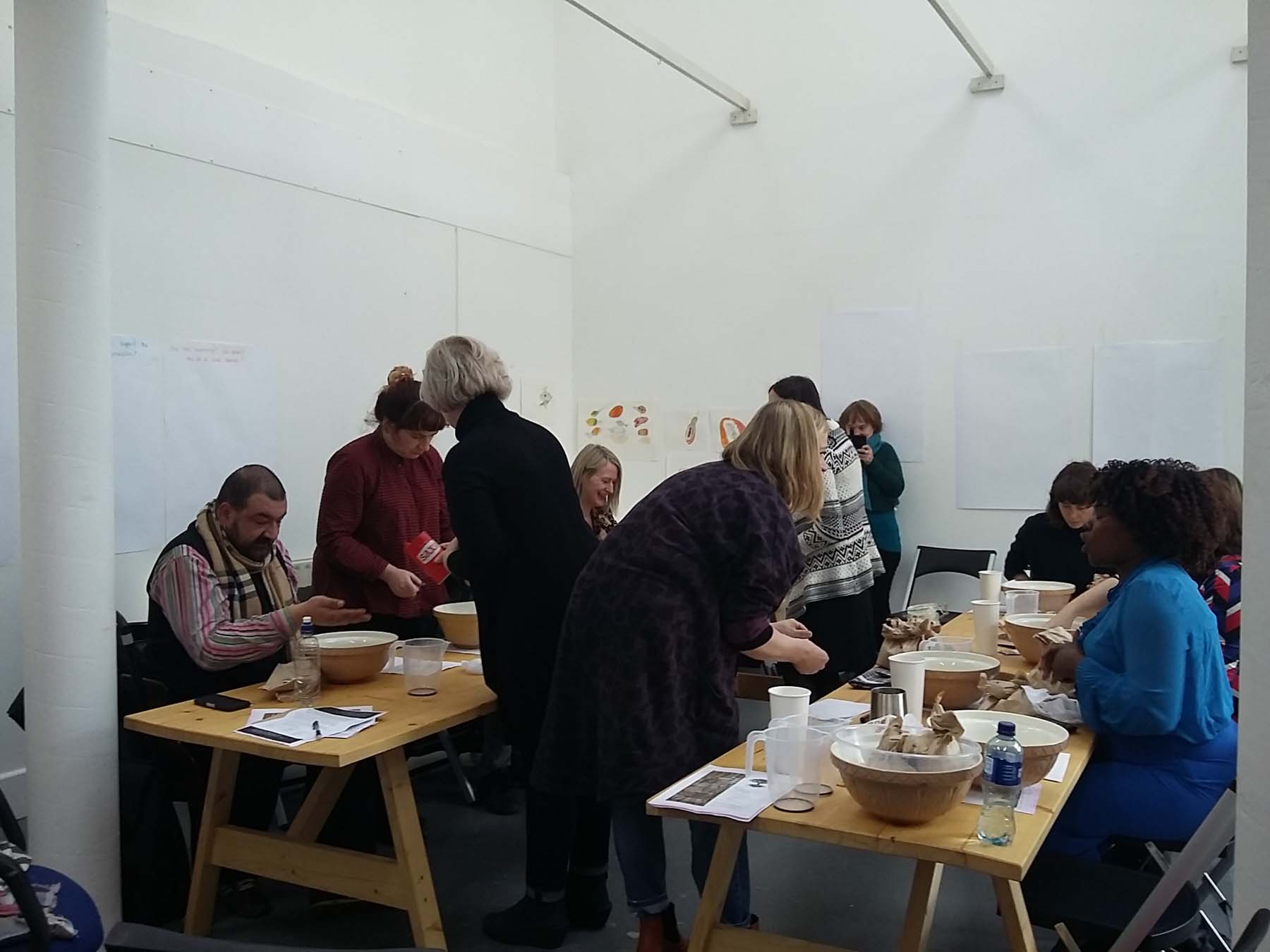
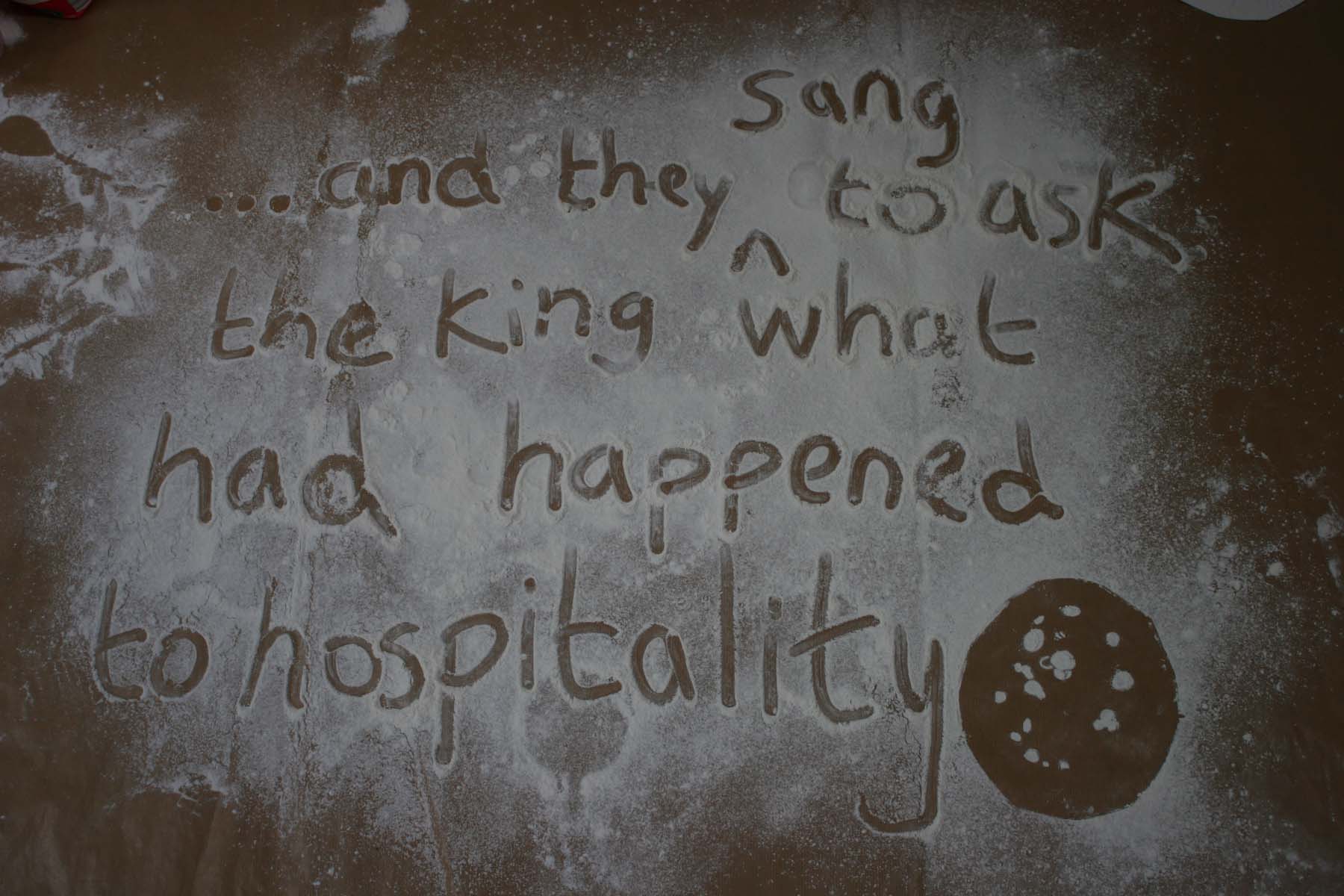
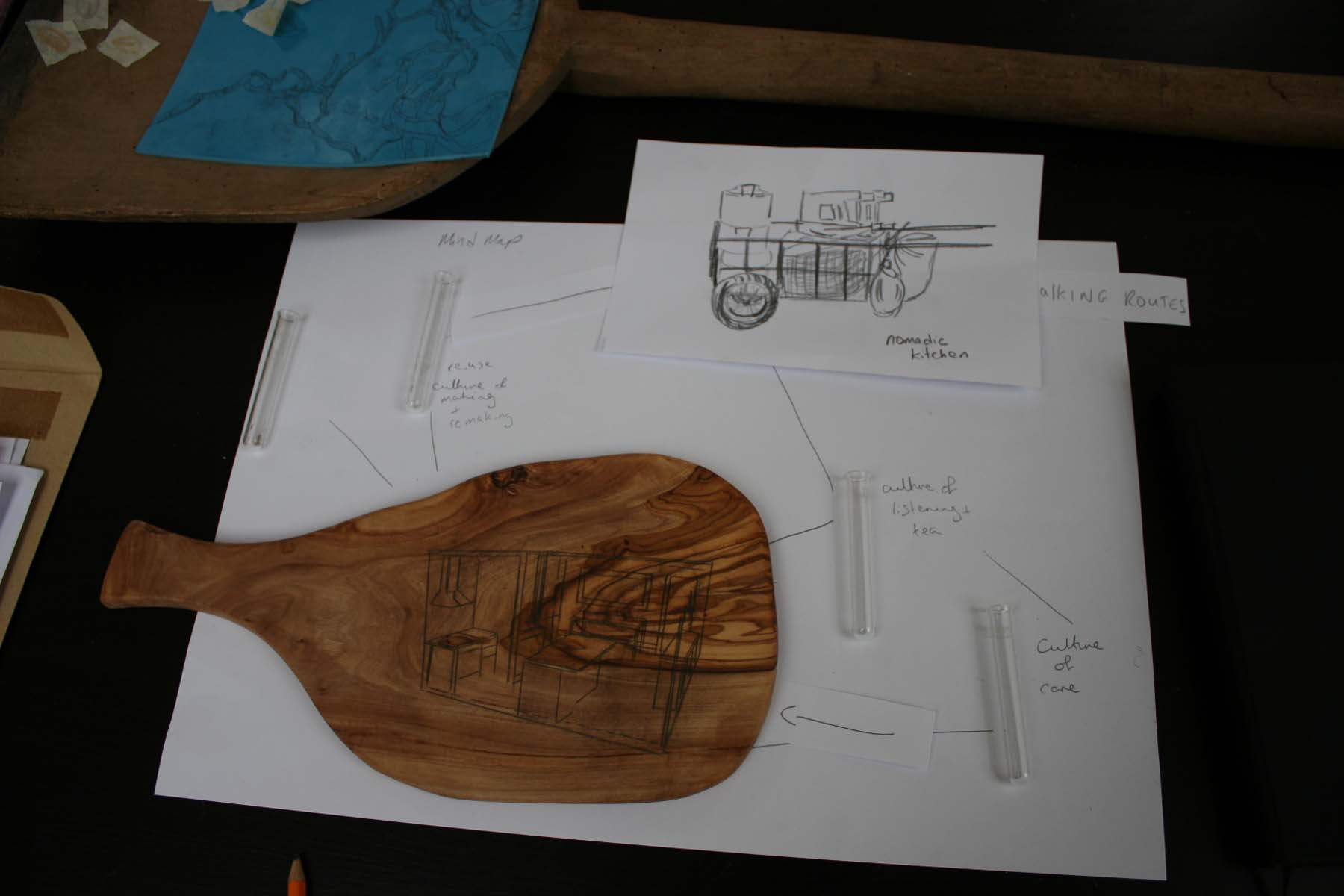
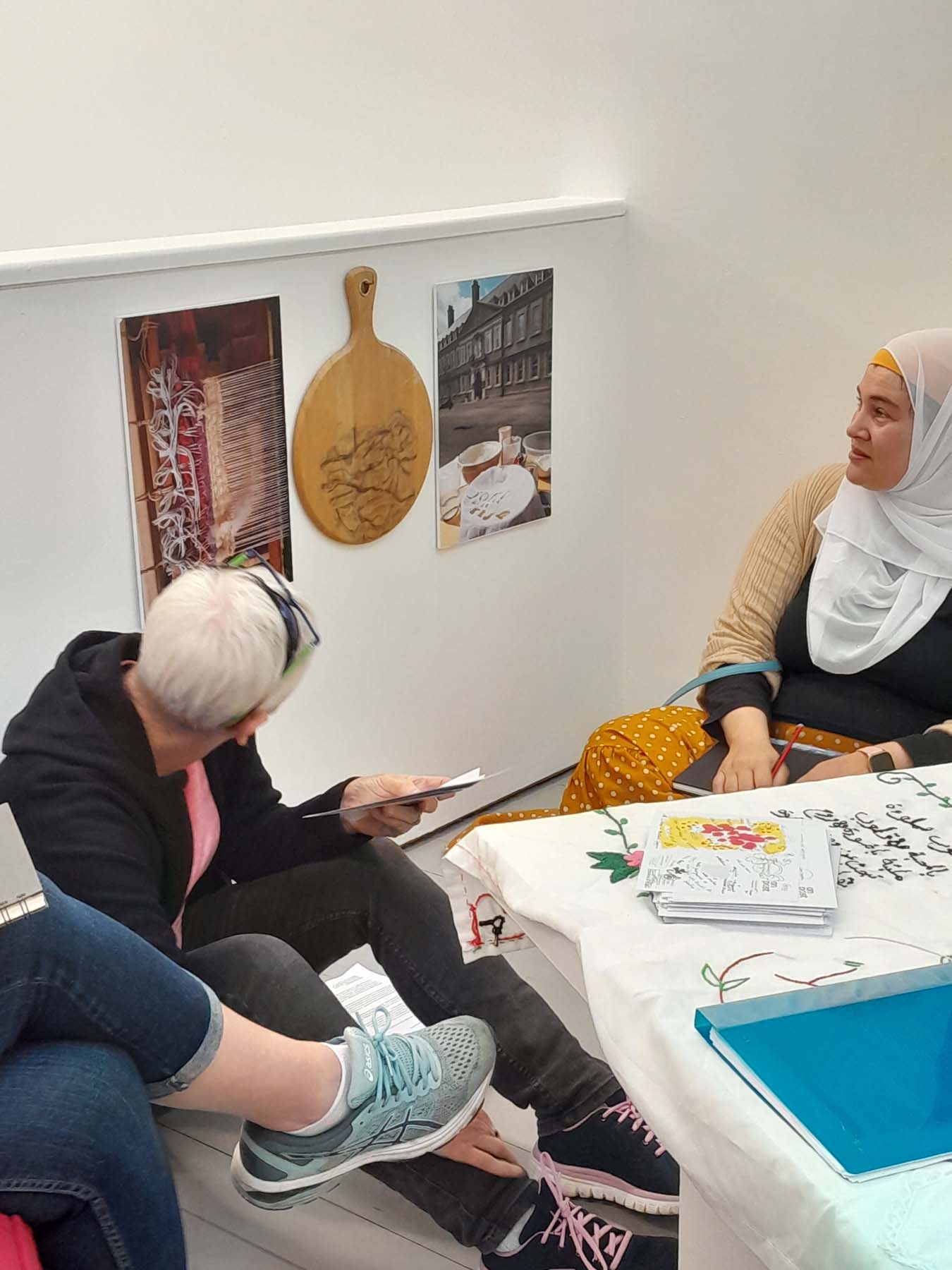
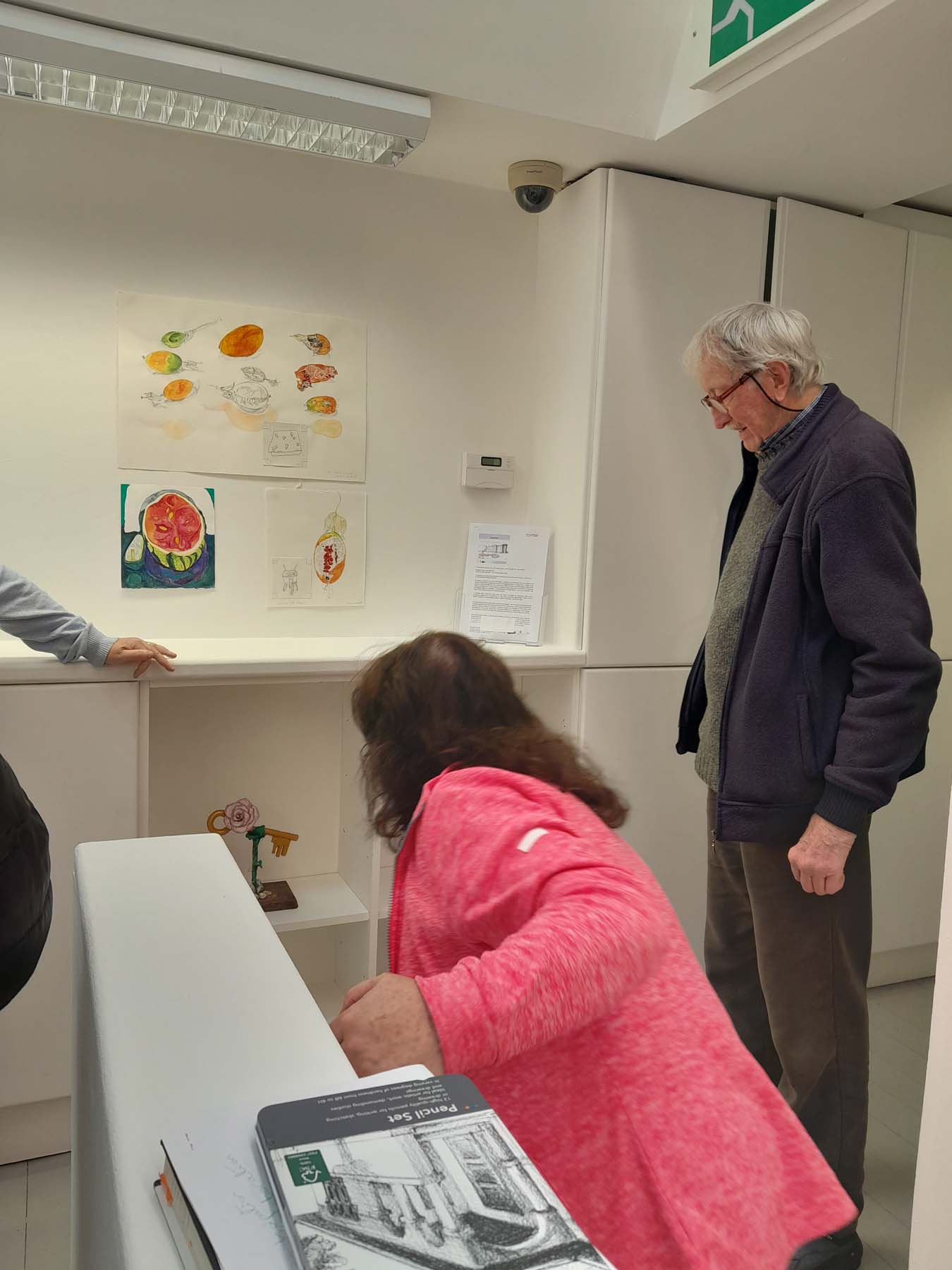
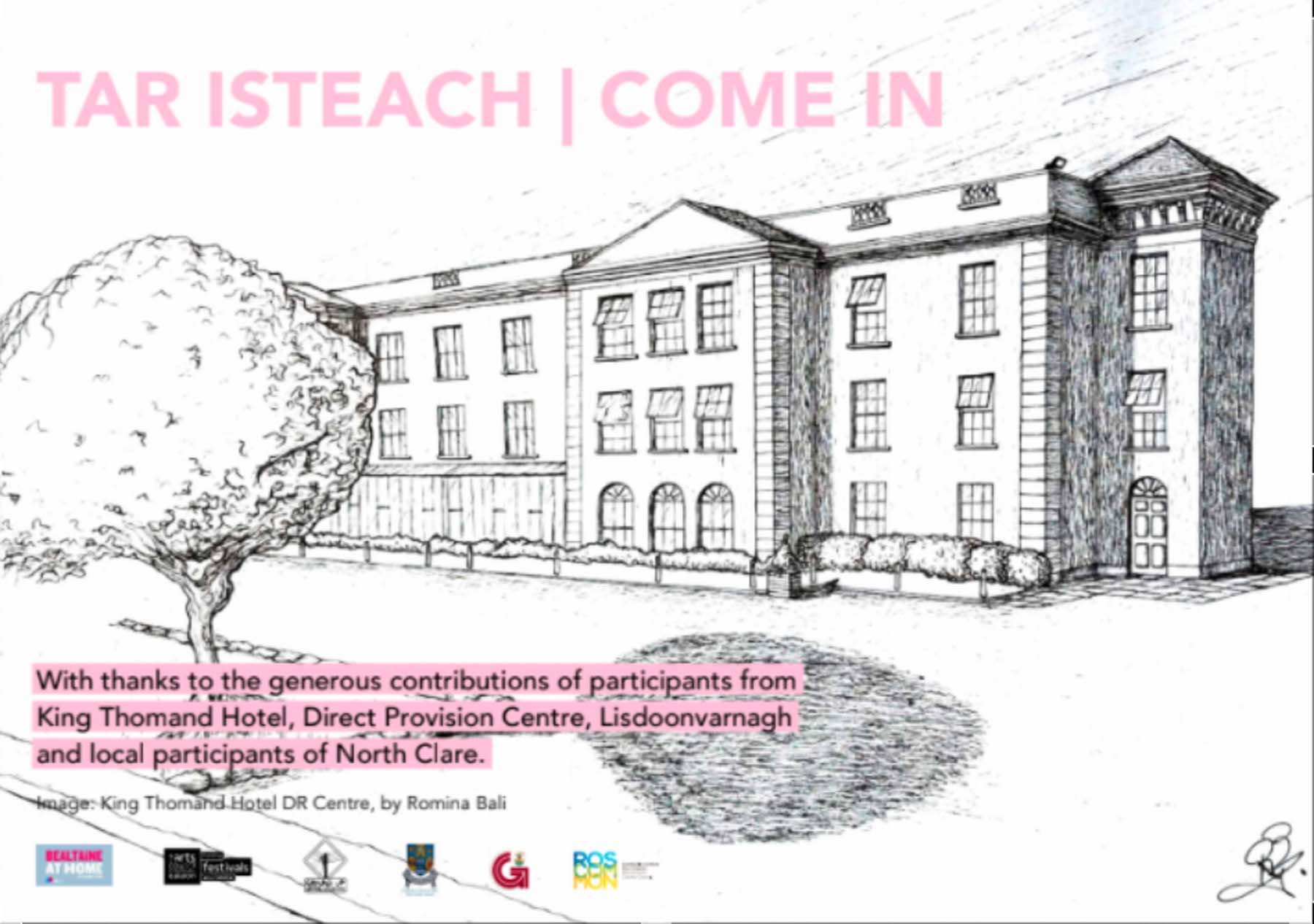
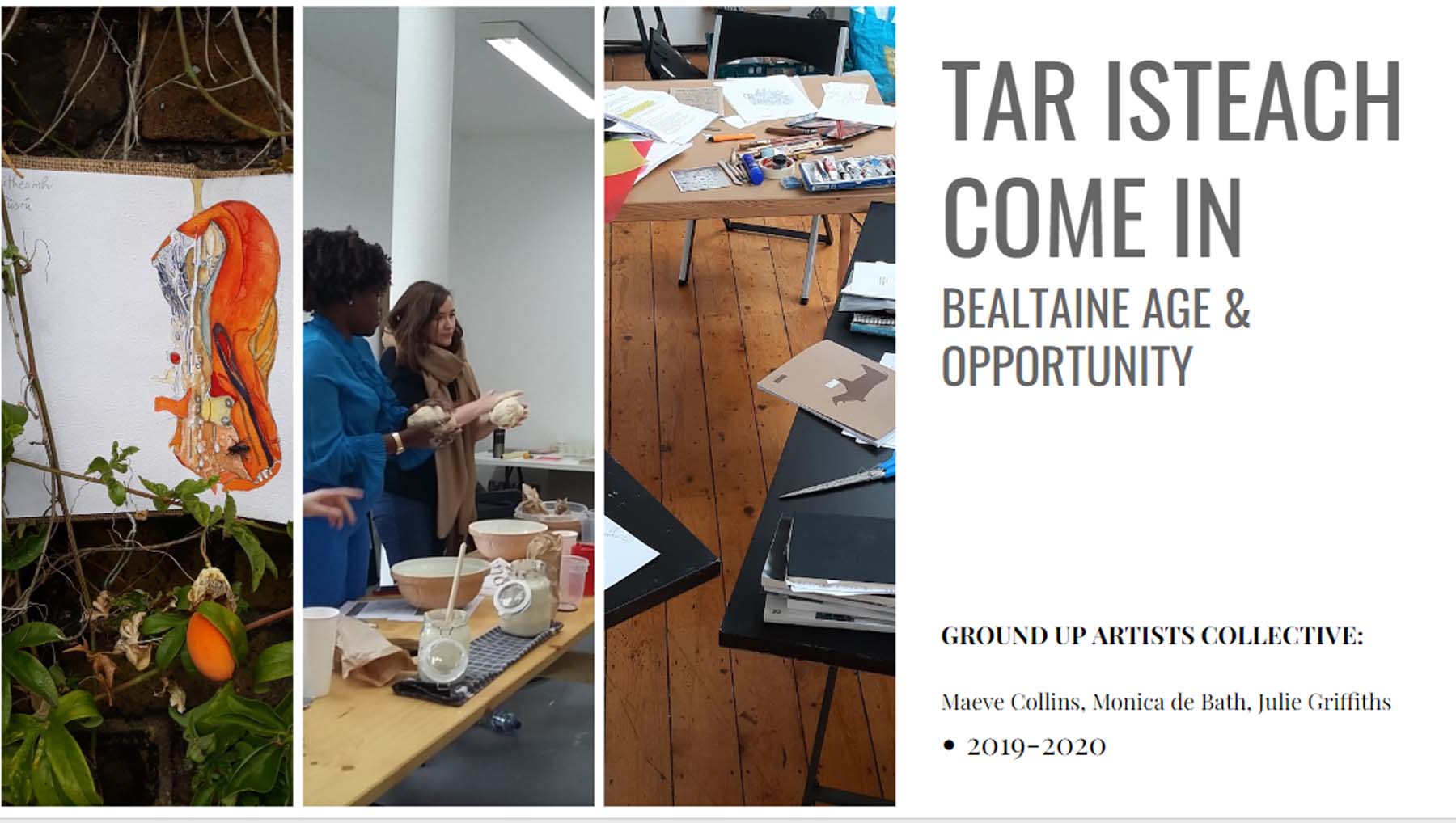
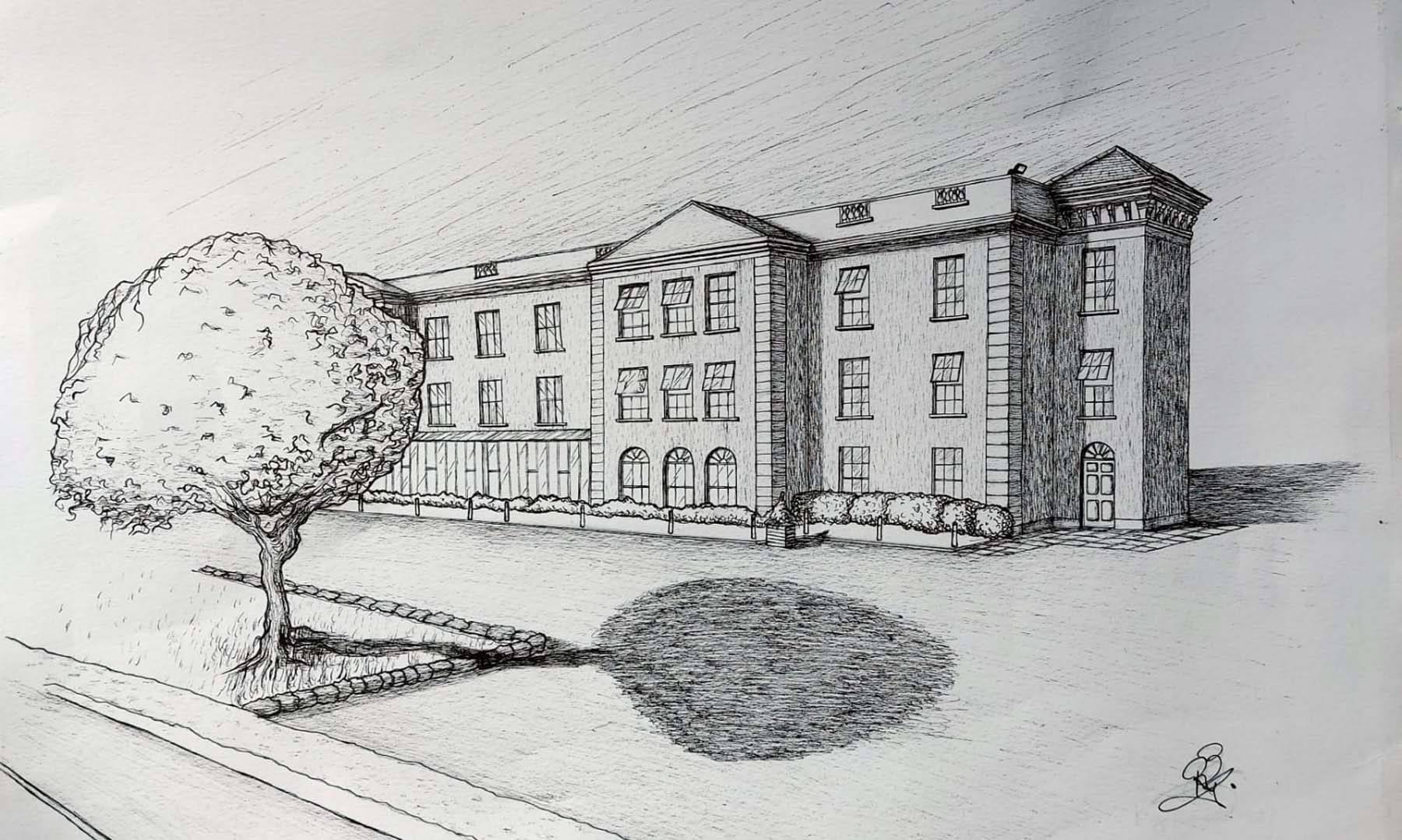
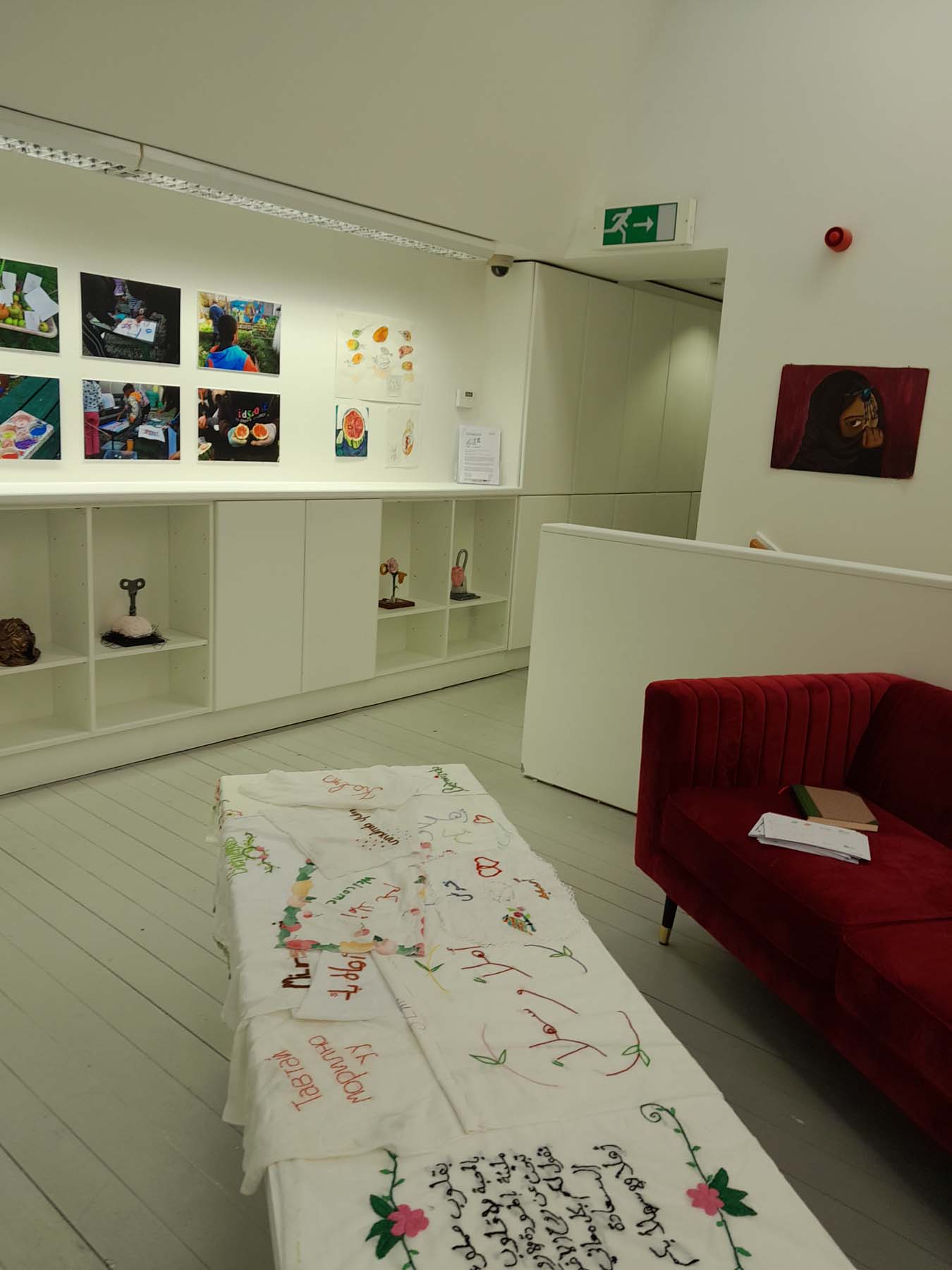
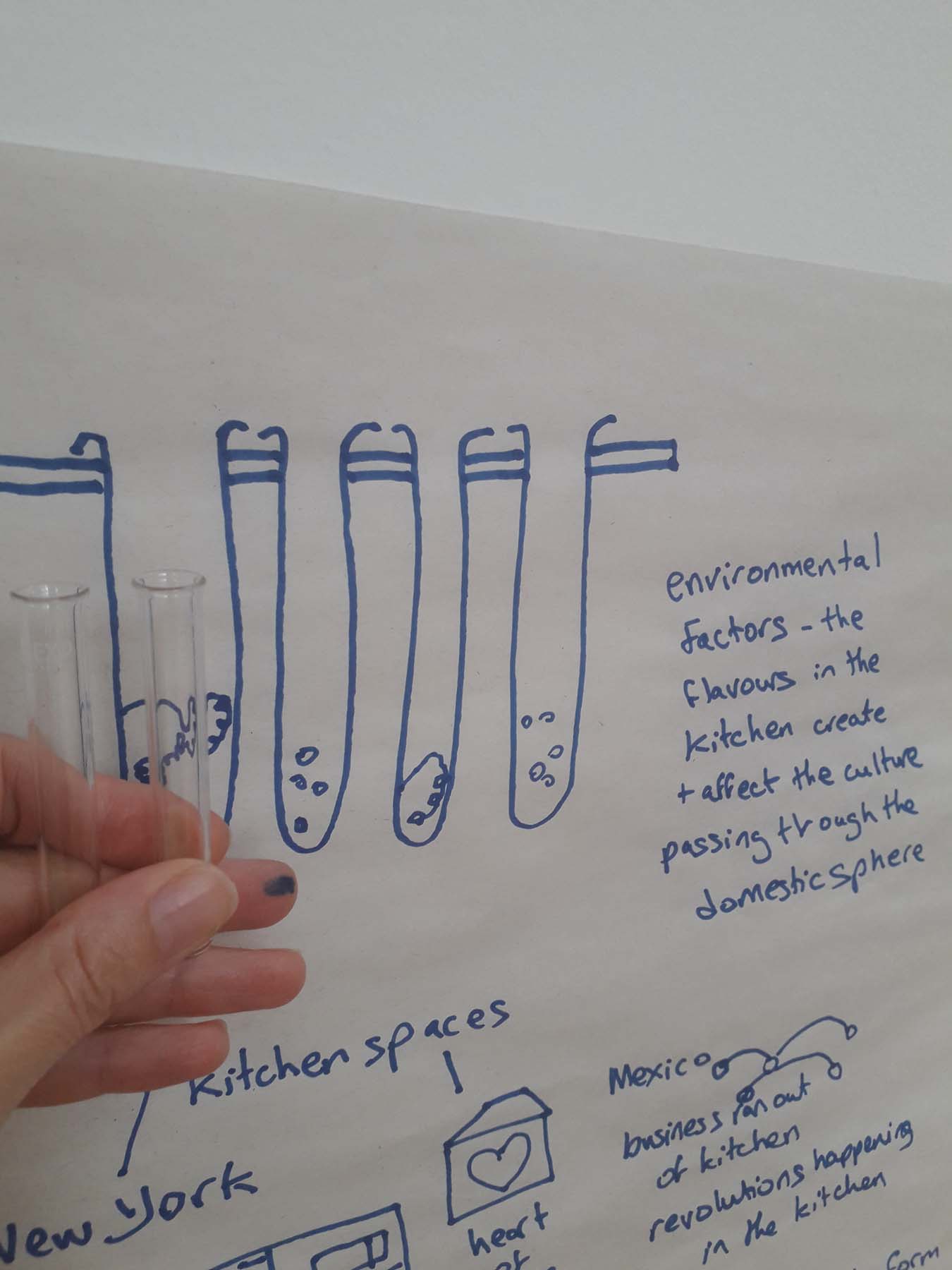
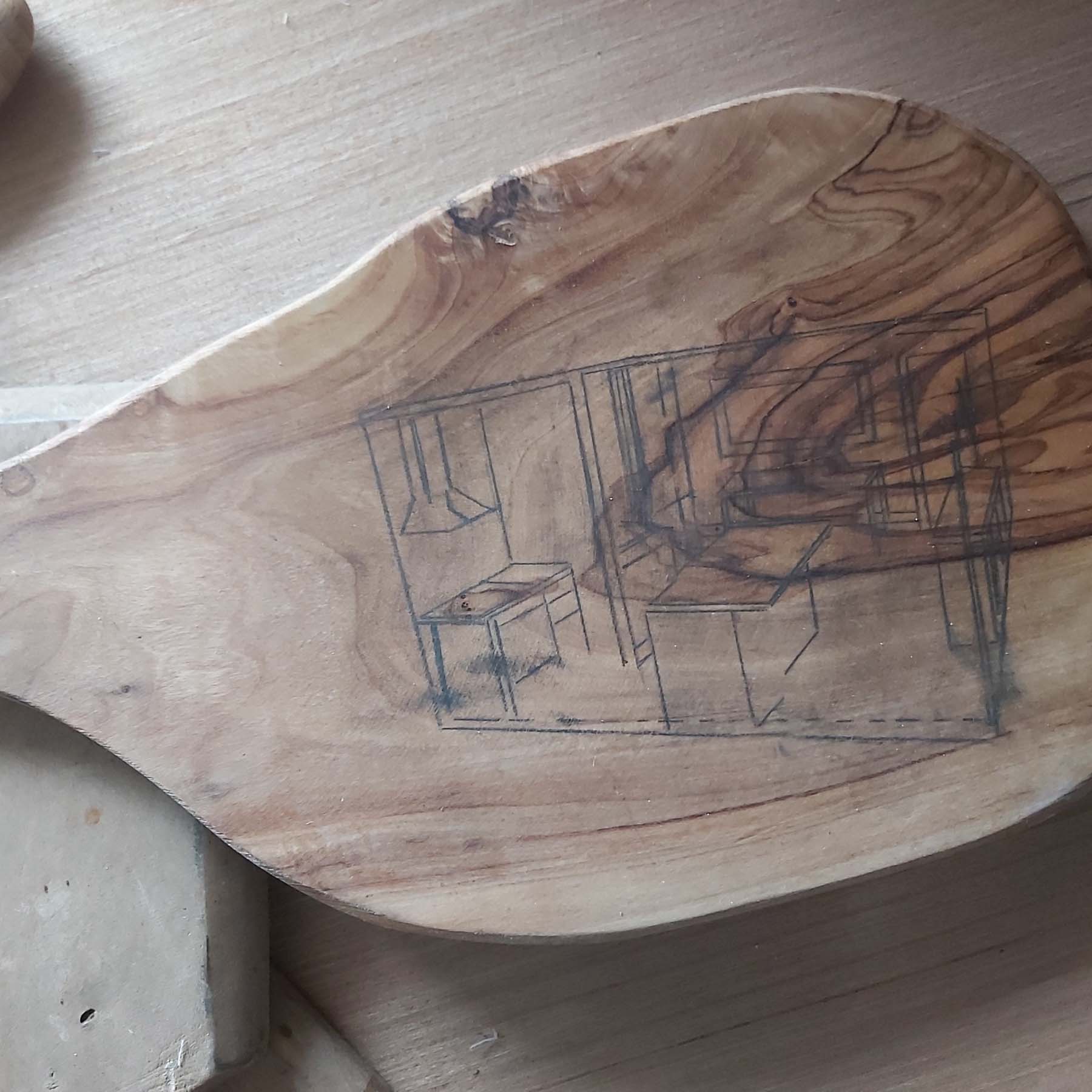
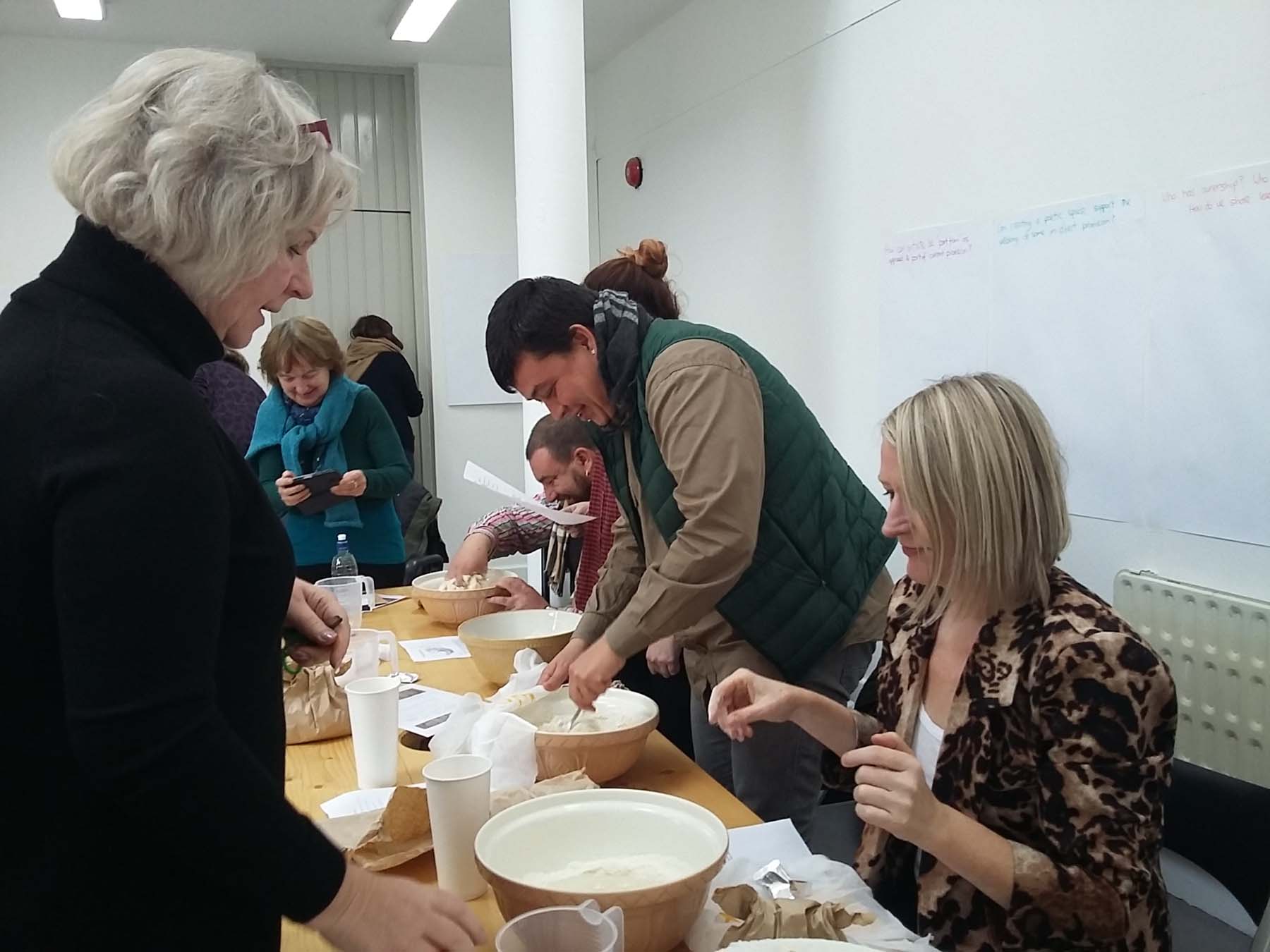
Maeve Collins worked with residents of the King Thomond Direct Provision Centre and a local art group to reclaim domestic space within the constraints of institutional housing. In The Sanctuary– a borrowed kitchen, workshops in breadmaking, basket weaving, and crafts became acts of hospitality and resistance, where participants could assert knowledge, skill, and presence in spaces not designed for them.
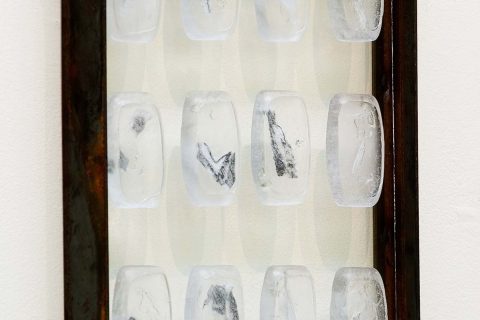
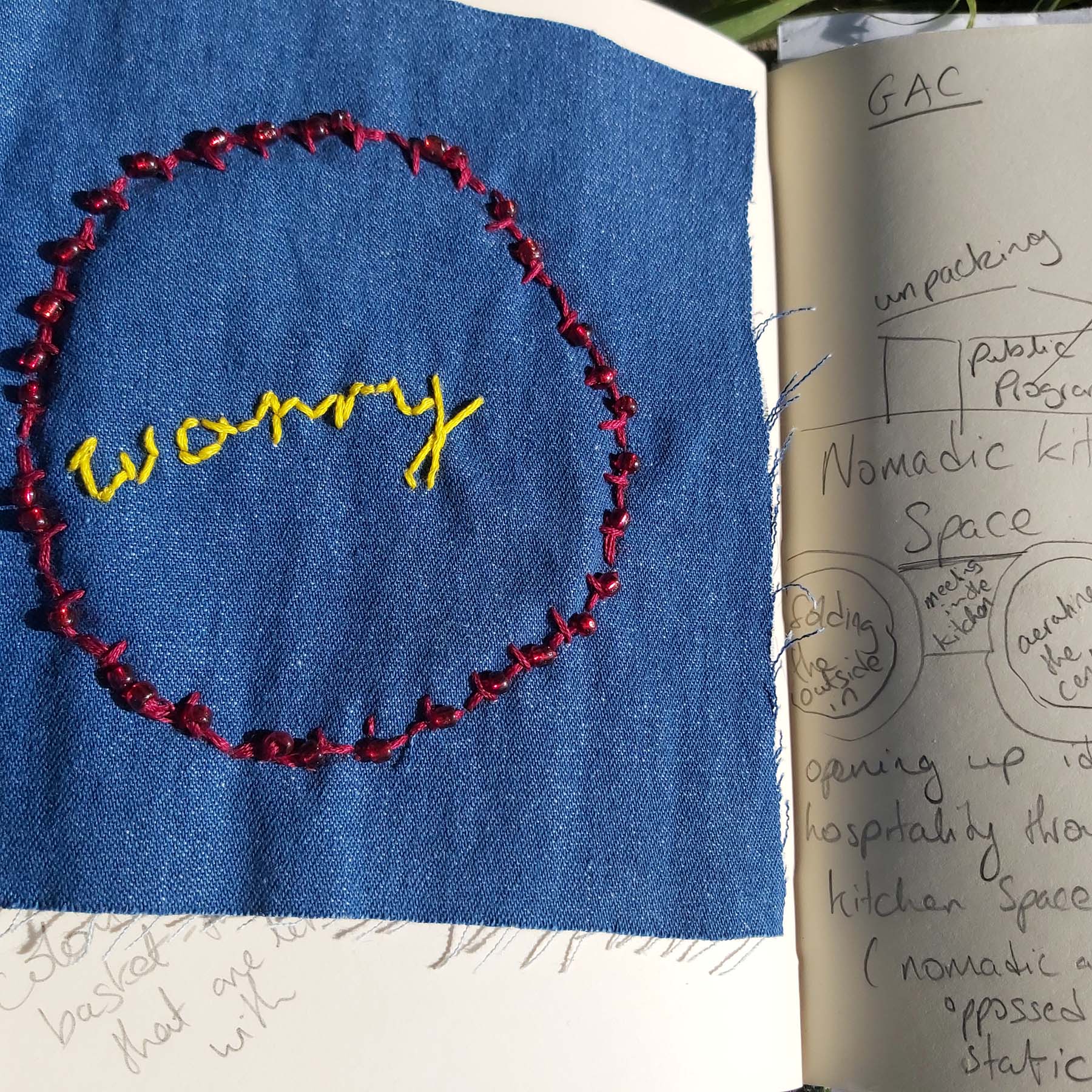
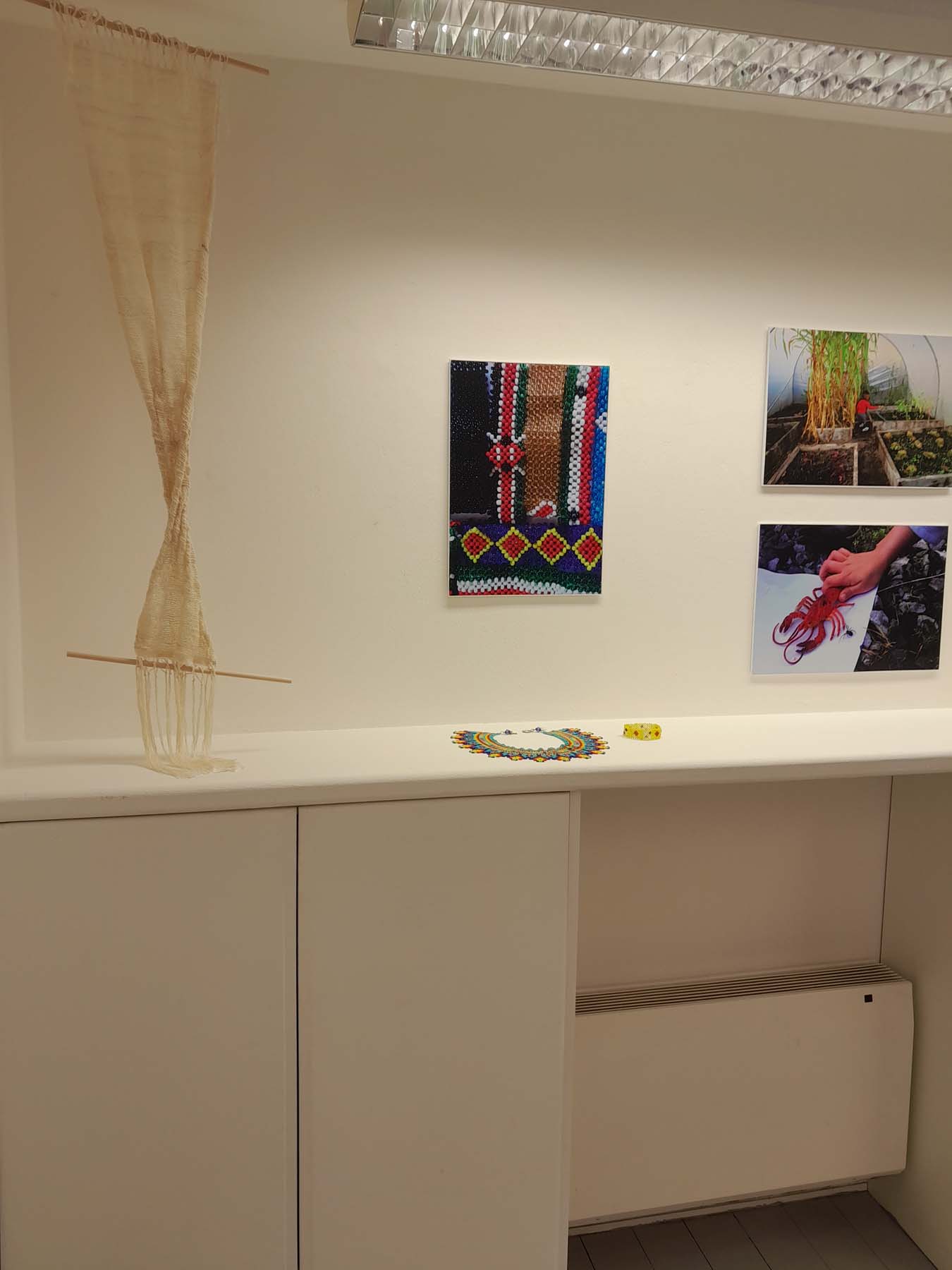
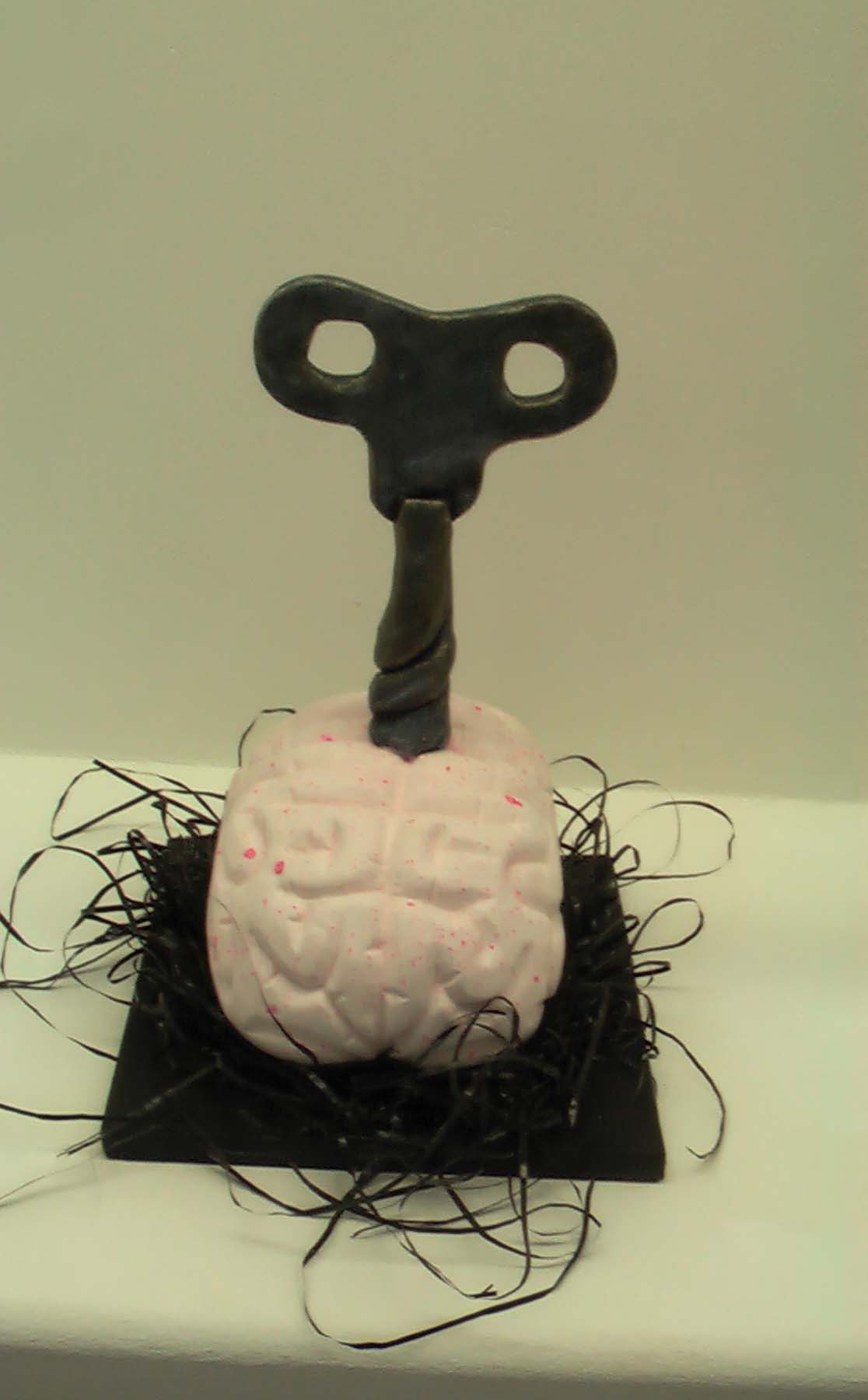
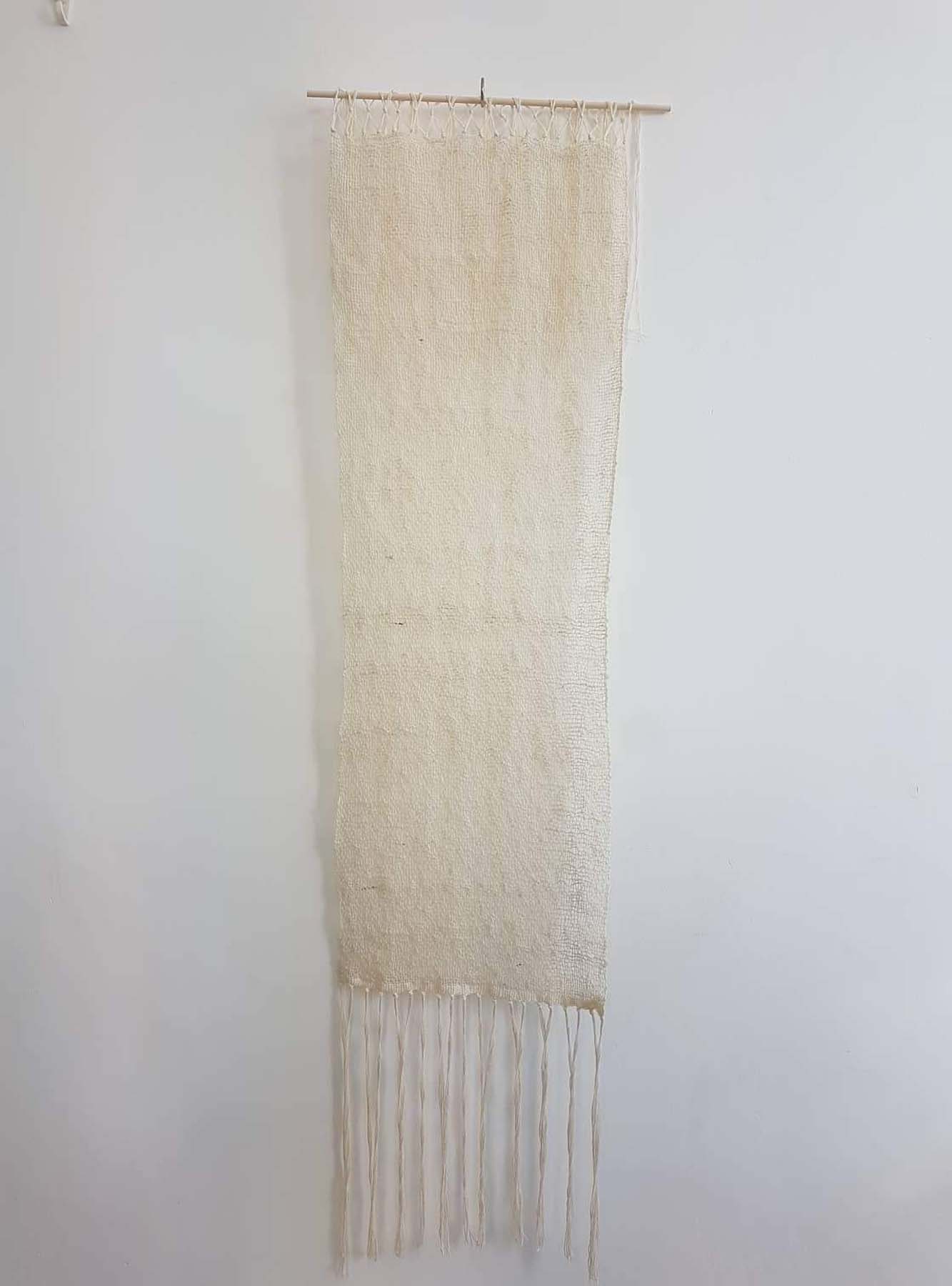
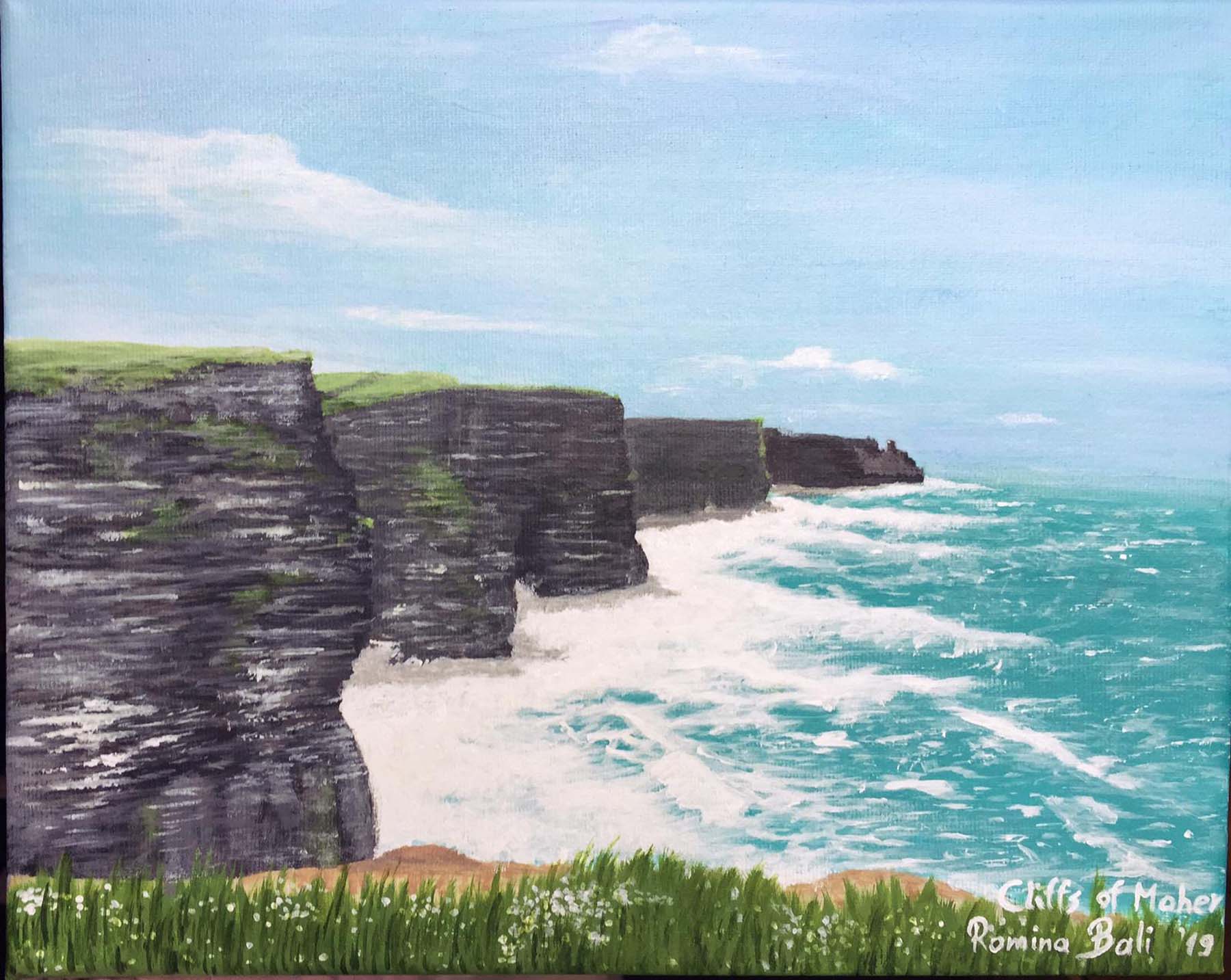
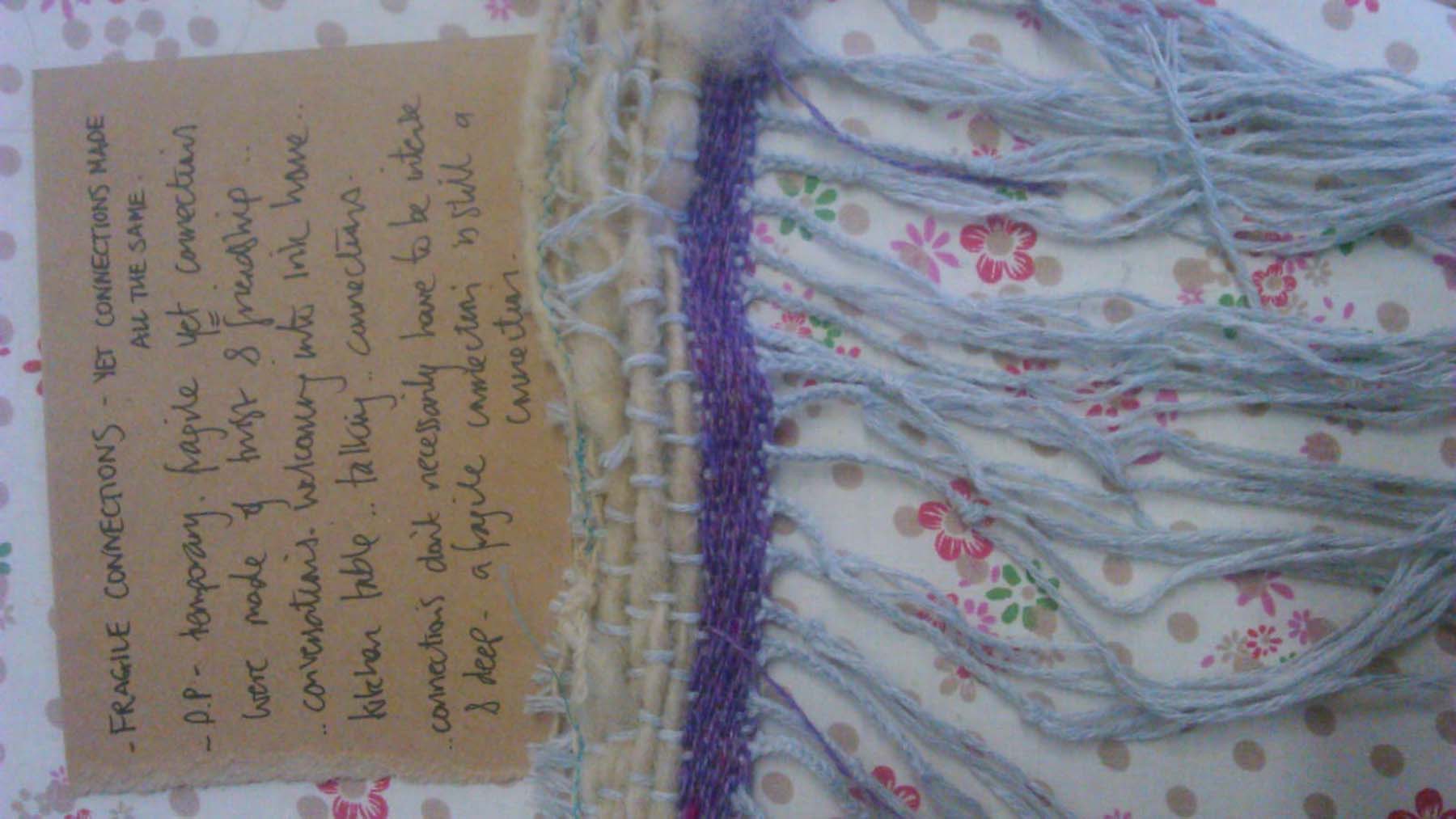
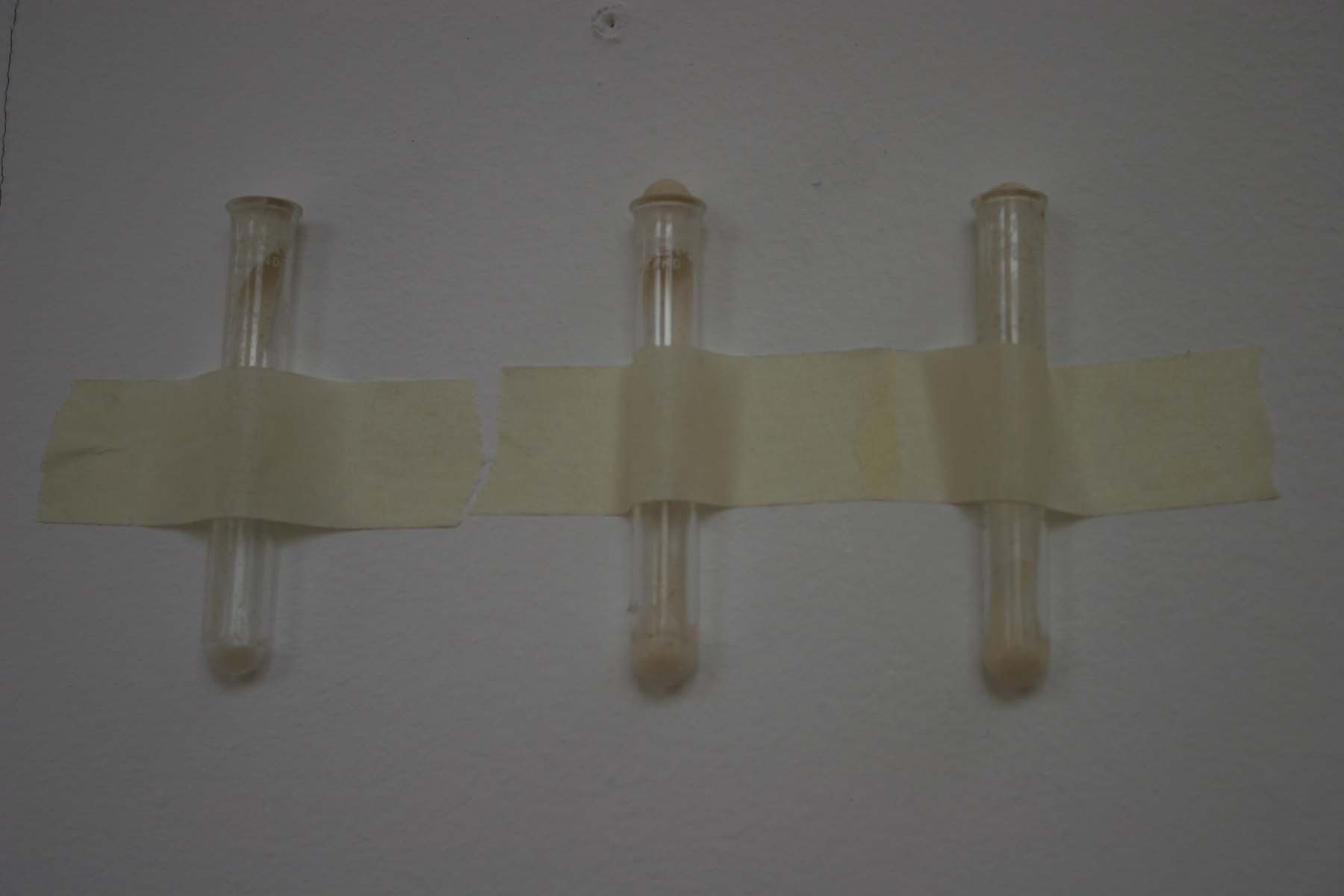
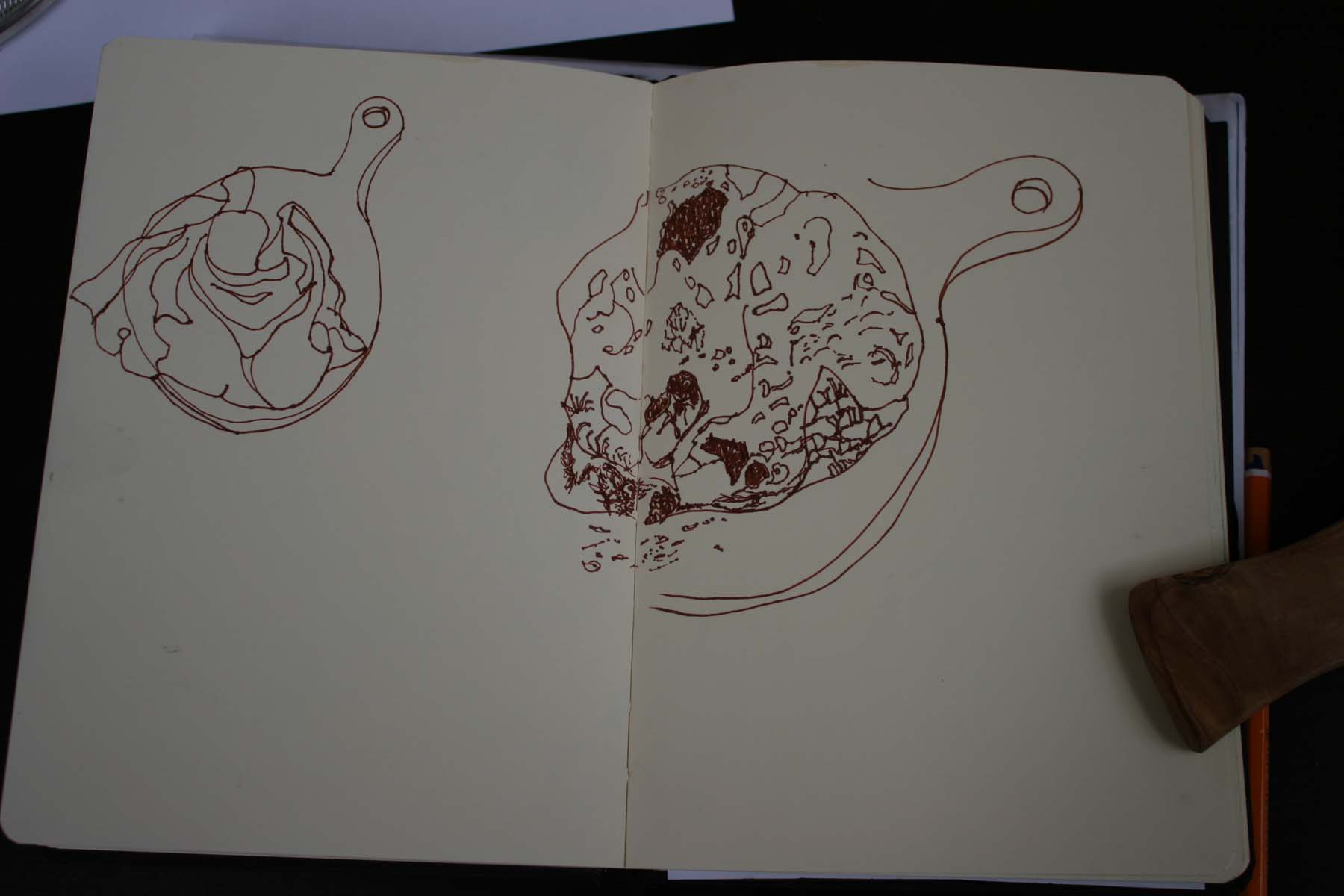
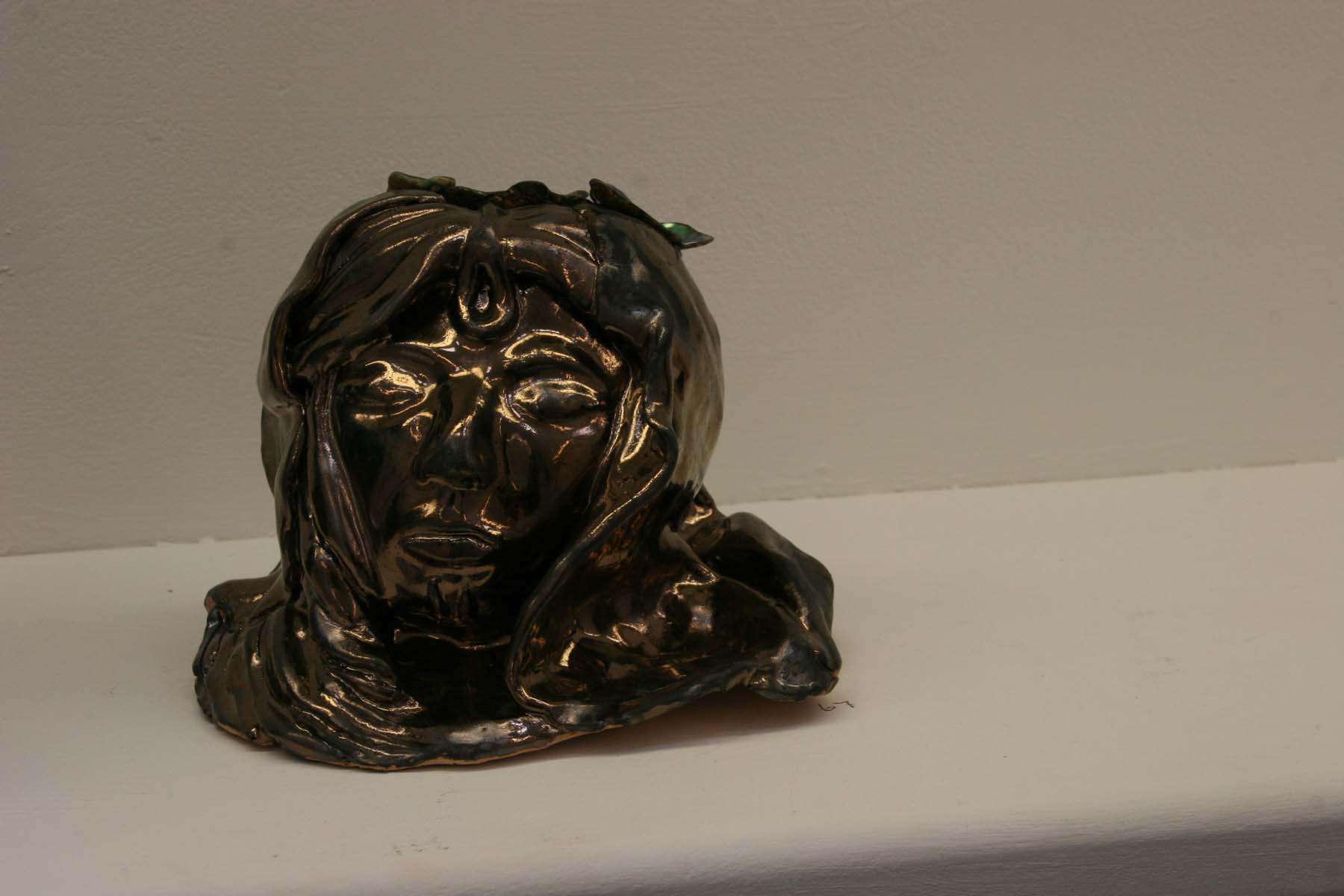
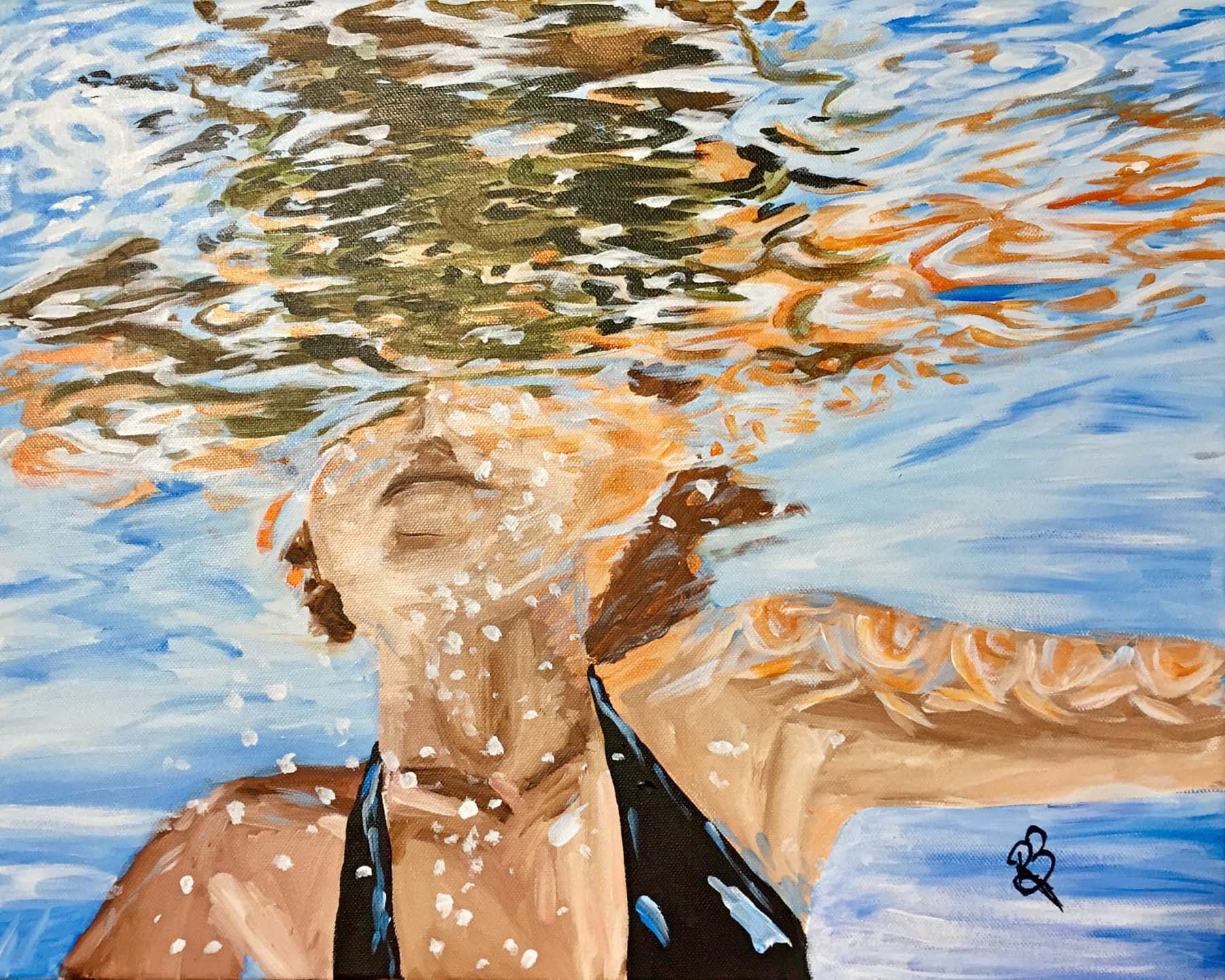
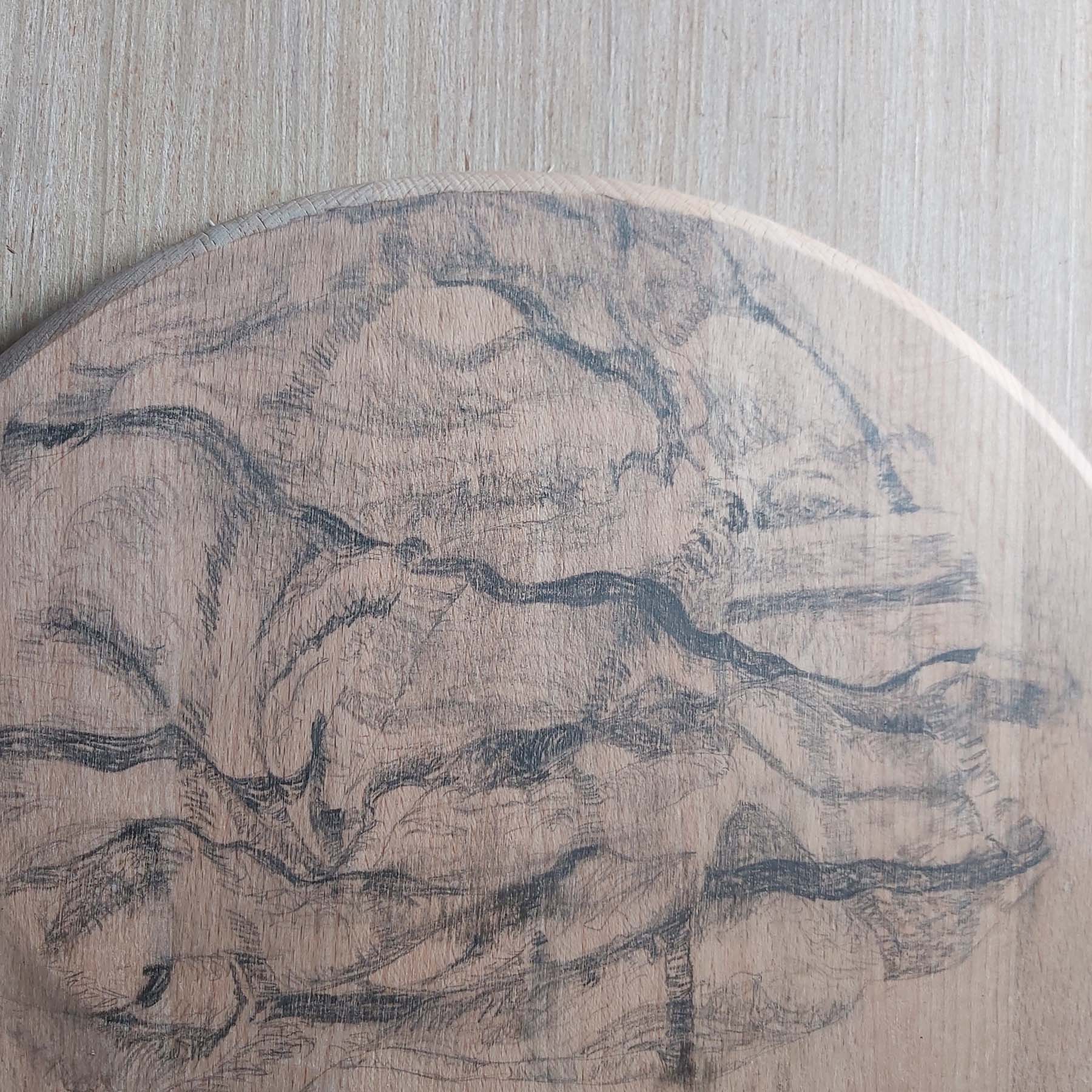
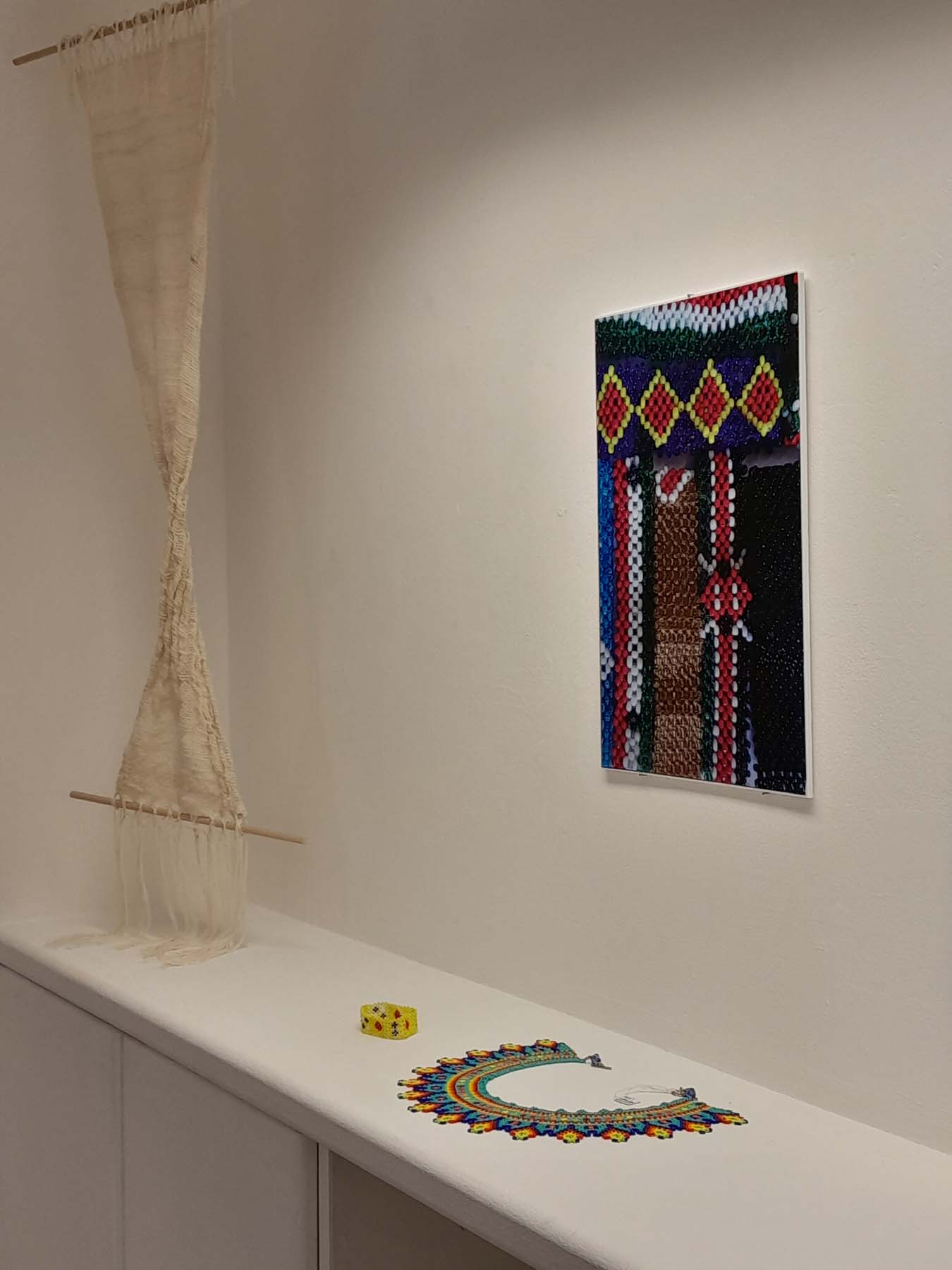
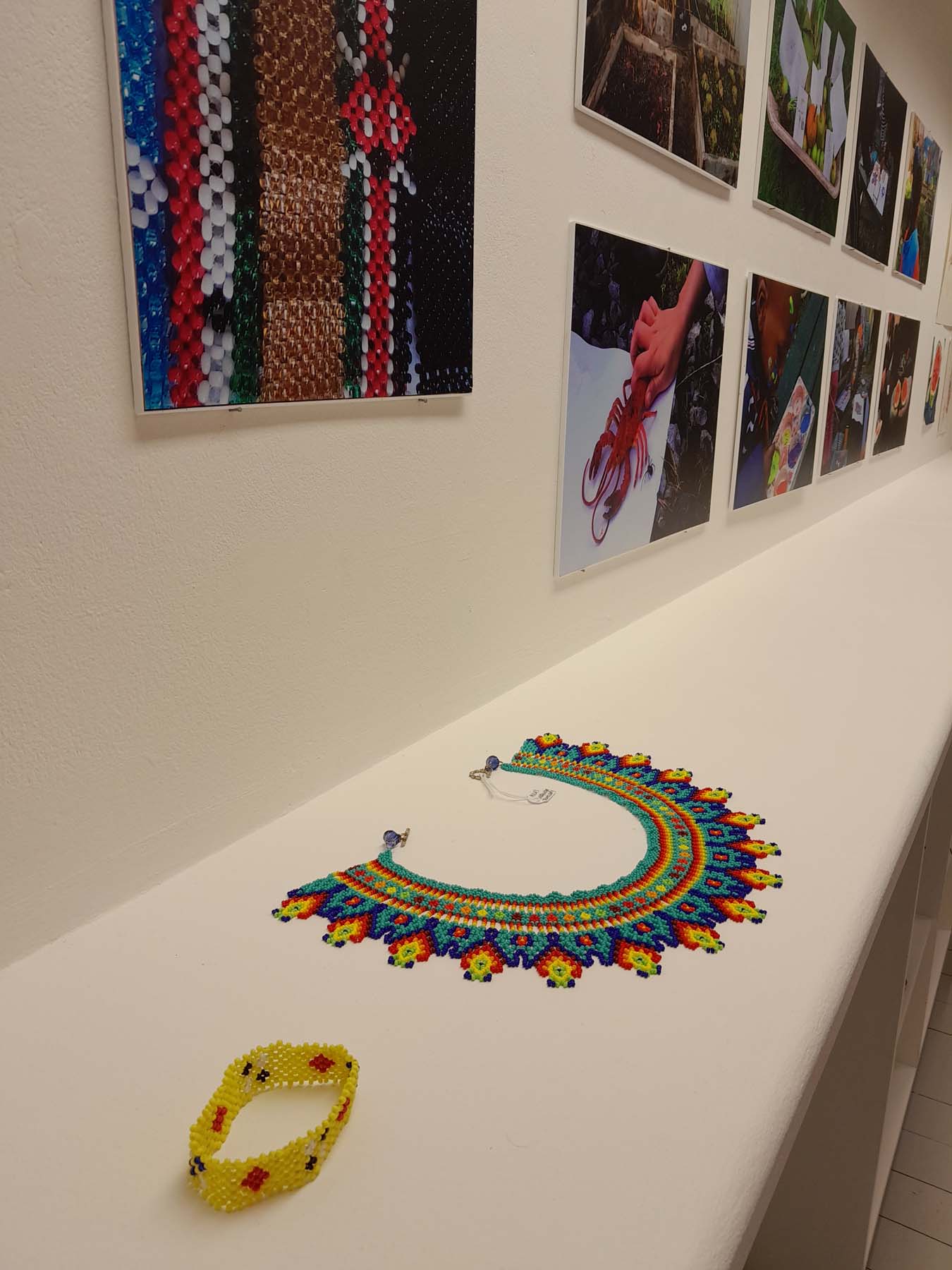
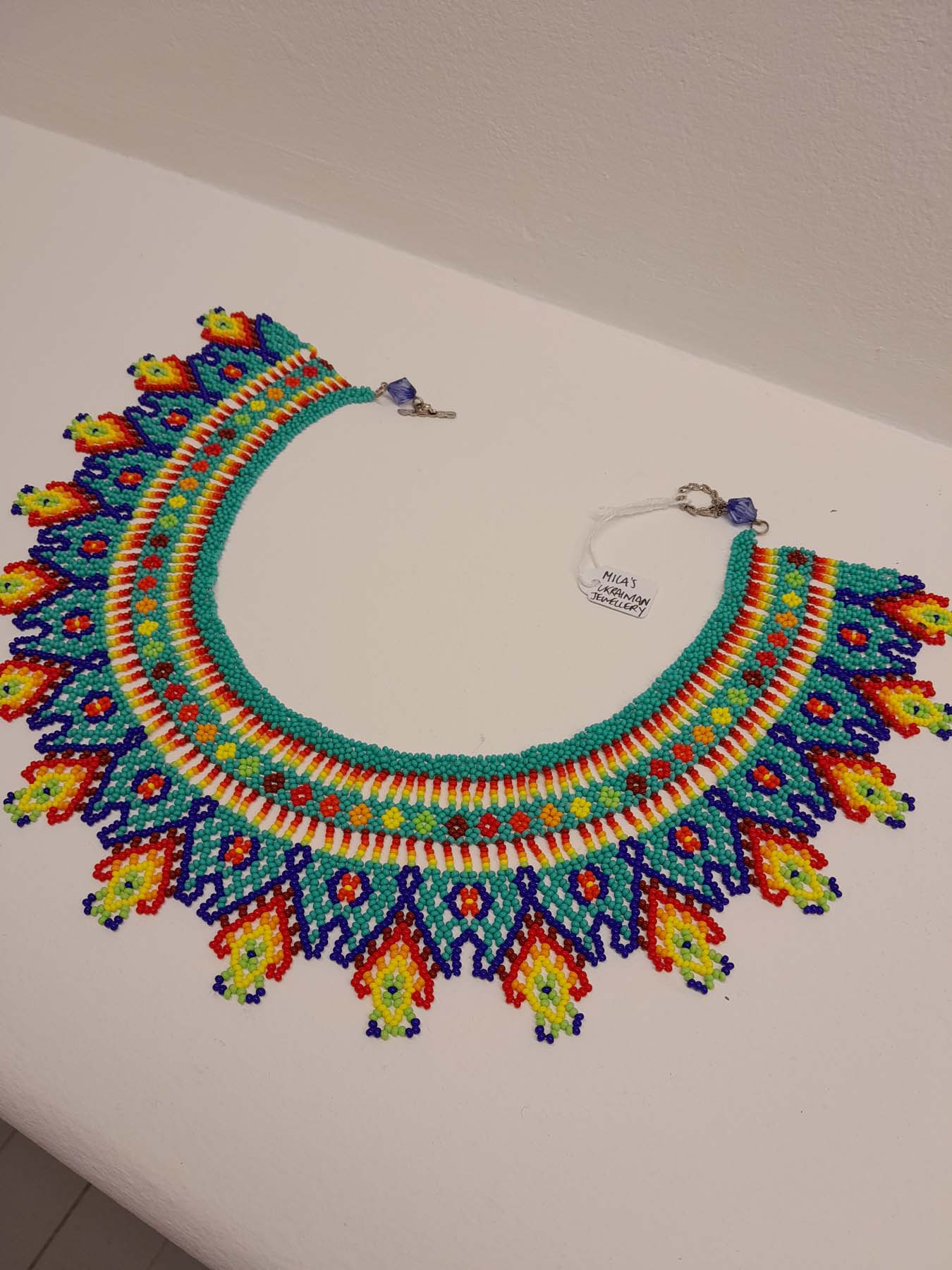
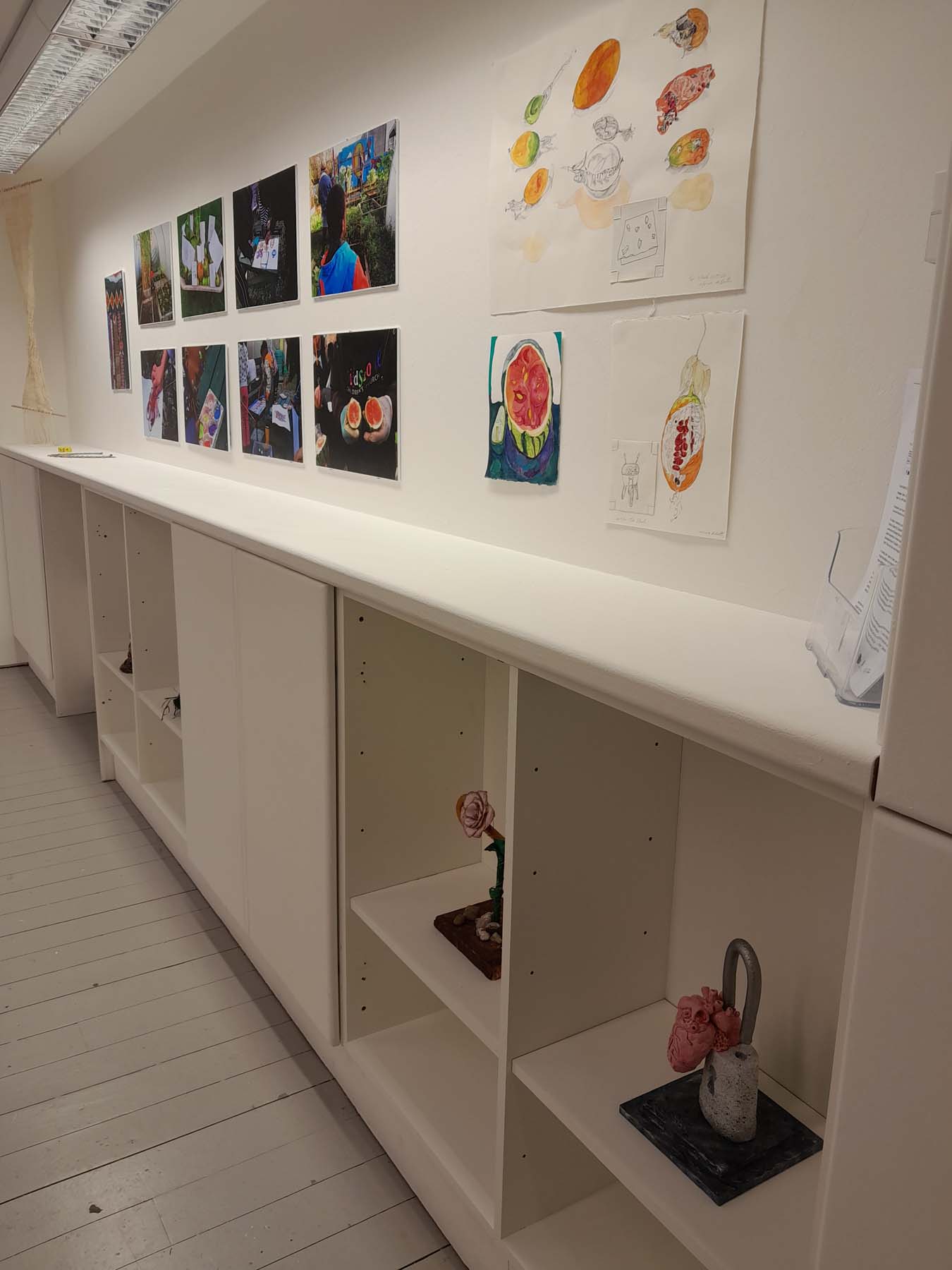
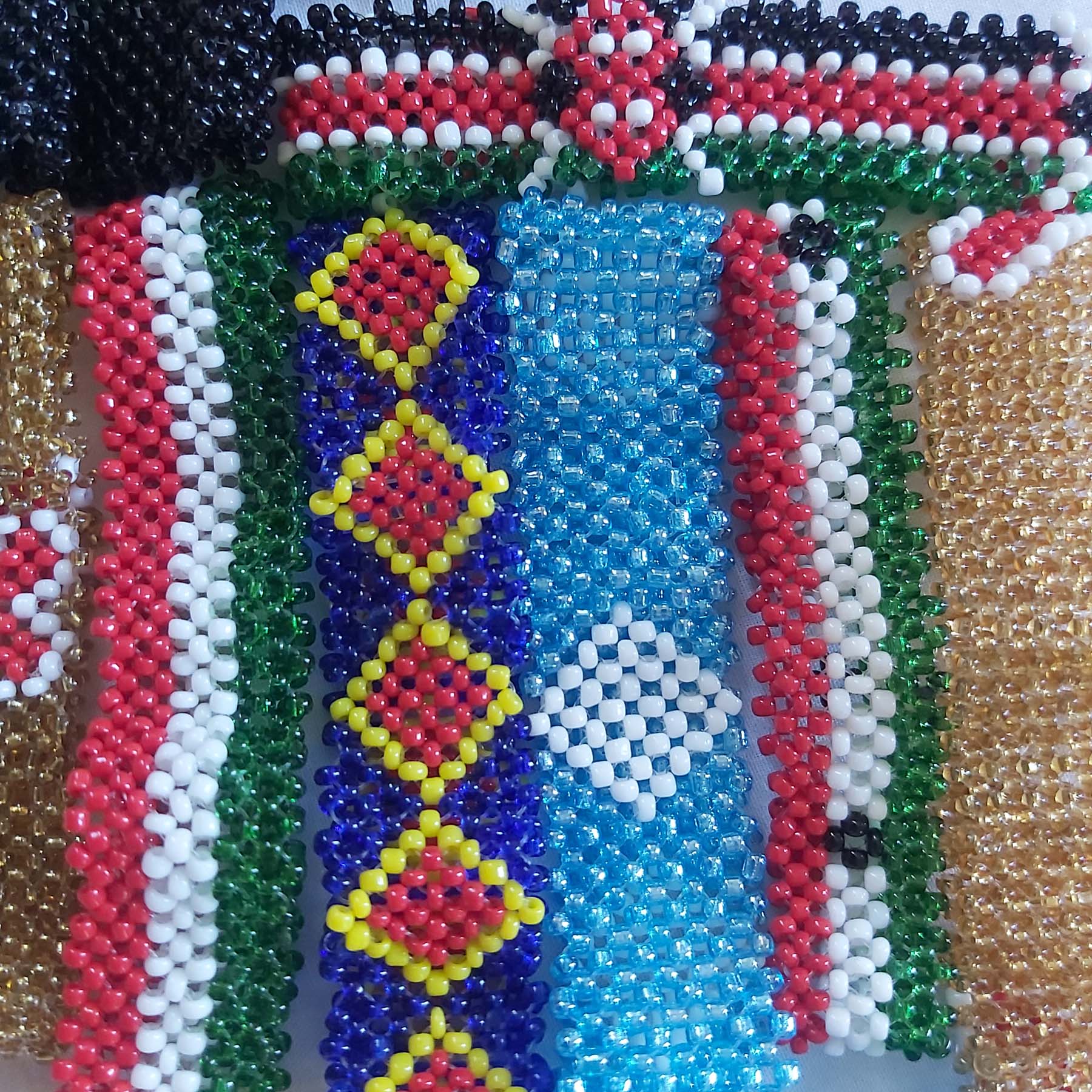
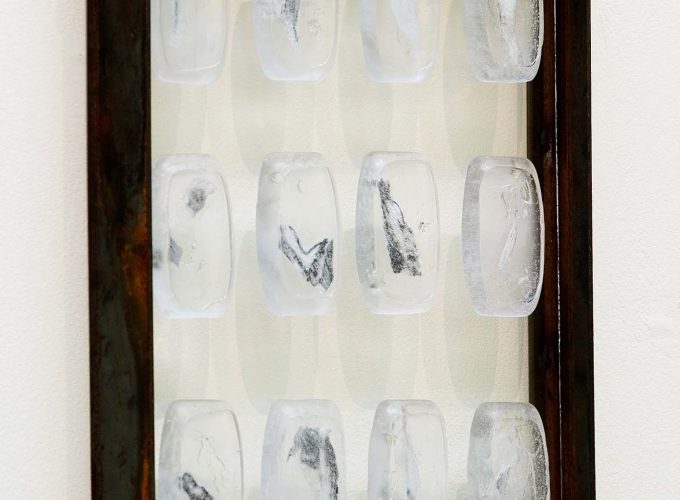
During Covid, art unfolded in bedrooms, corridors, and improvised corners, tracing inner landscapes, memories, and dreams of other places. Contributions ranged from Razan Abdelwahed’s commanding historical queens, Jean Moran’s woven Fragile Connections with others, Romina Bali’s intimate landscapes, to Nasreen Nabaoui’s visceral mixed media, Mila Kinzhibala’s Bright Ukraine necklace, Zeirq’s Somali bracelets, and the scent of Syrian biscuits by Mrs. Abdelwahed.
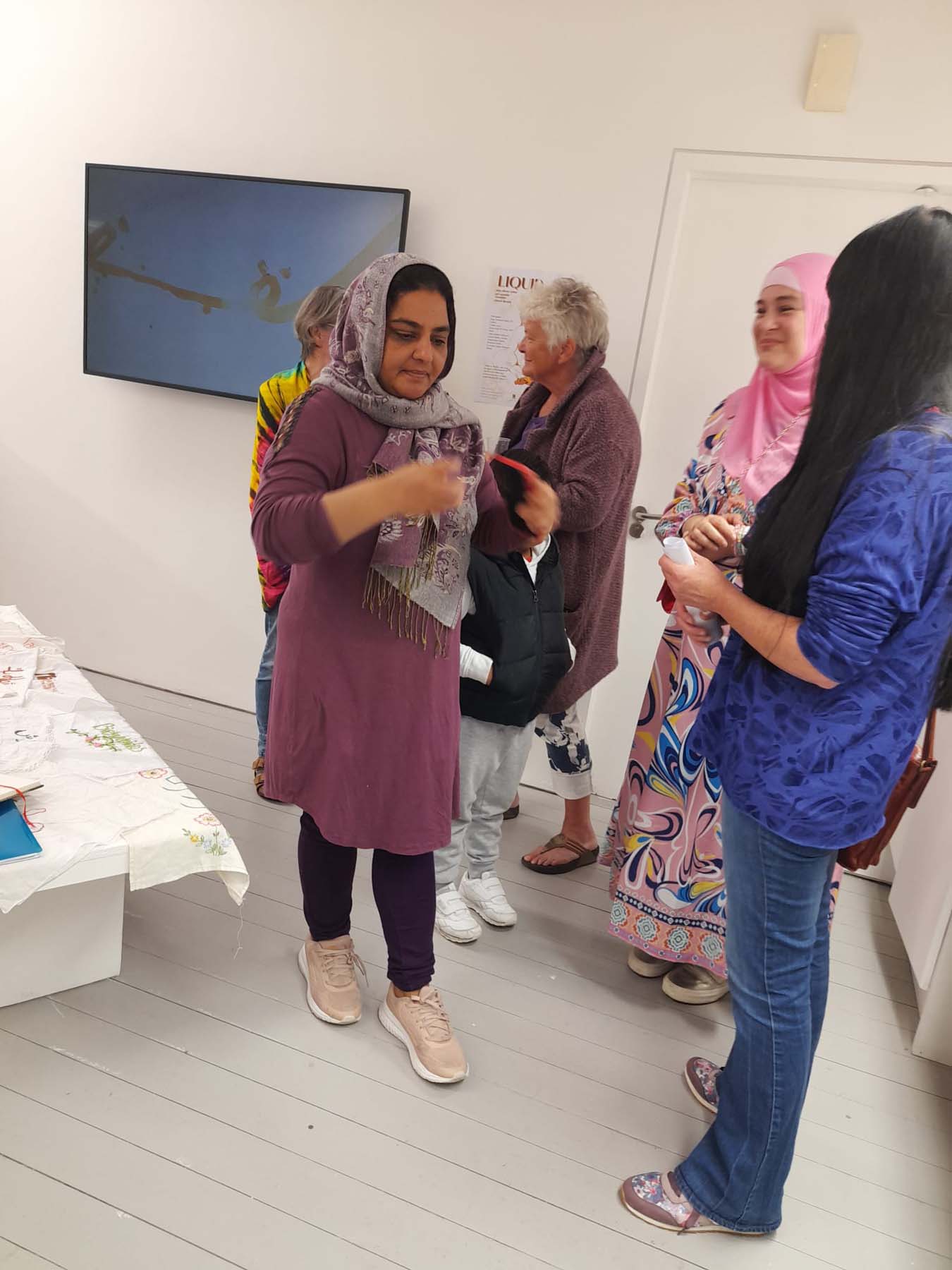
Together, these works stitched moments of agency, dignity, and welcome into a collective exhibition, giving form to the rhythms, absences, and persistent humanity of life lived through Direct Provision and migration.
Galway & Roscommon
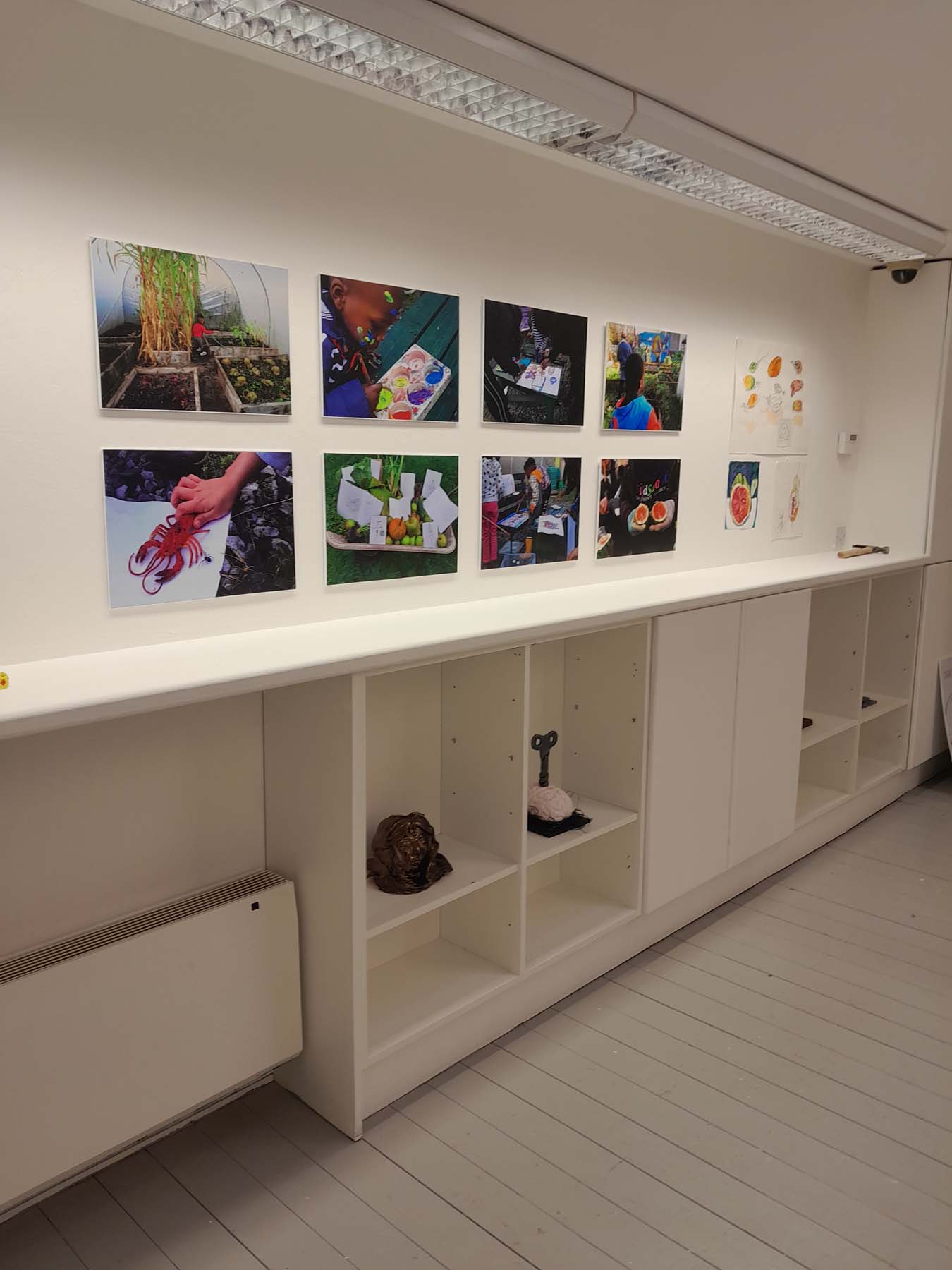
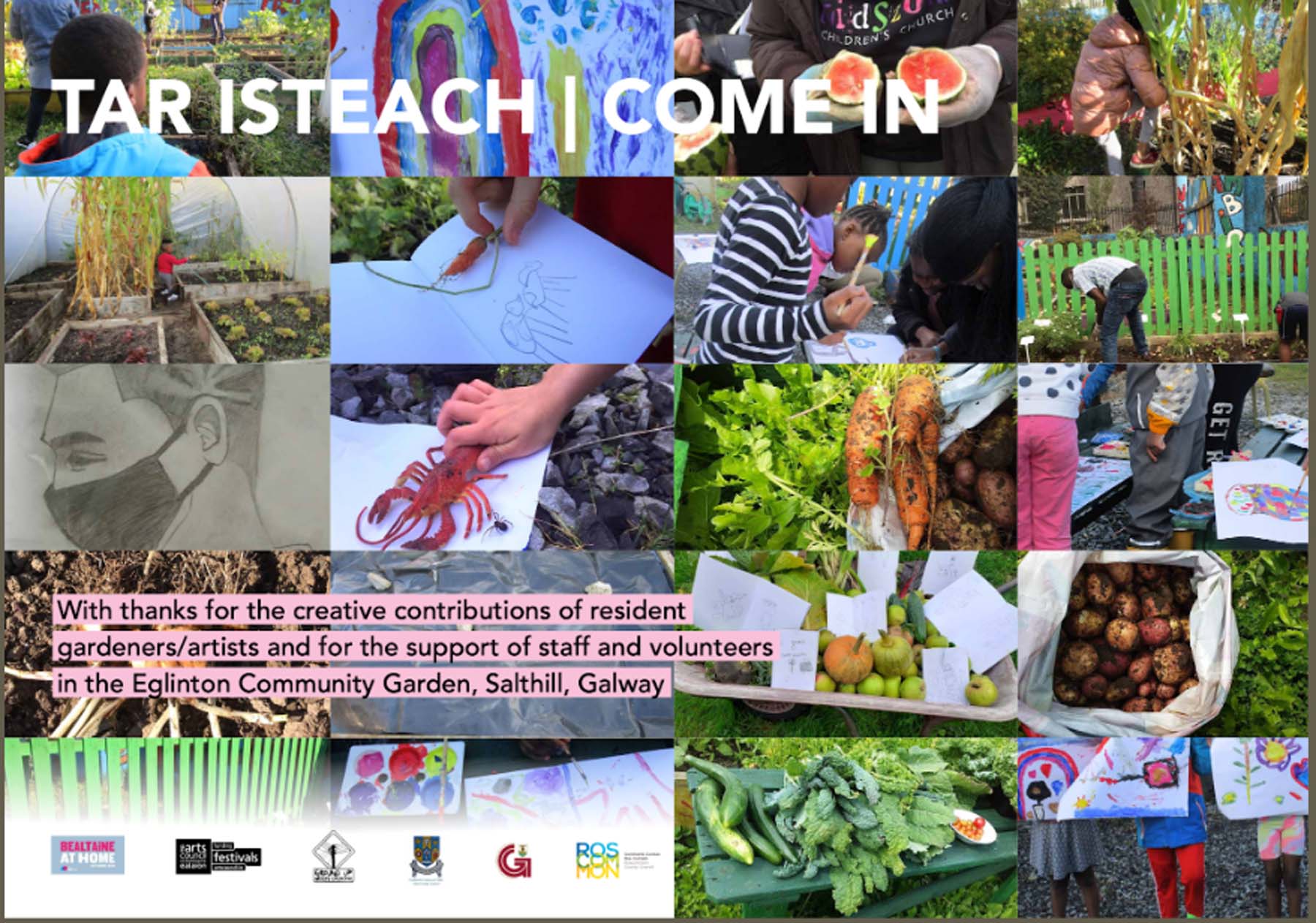
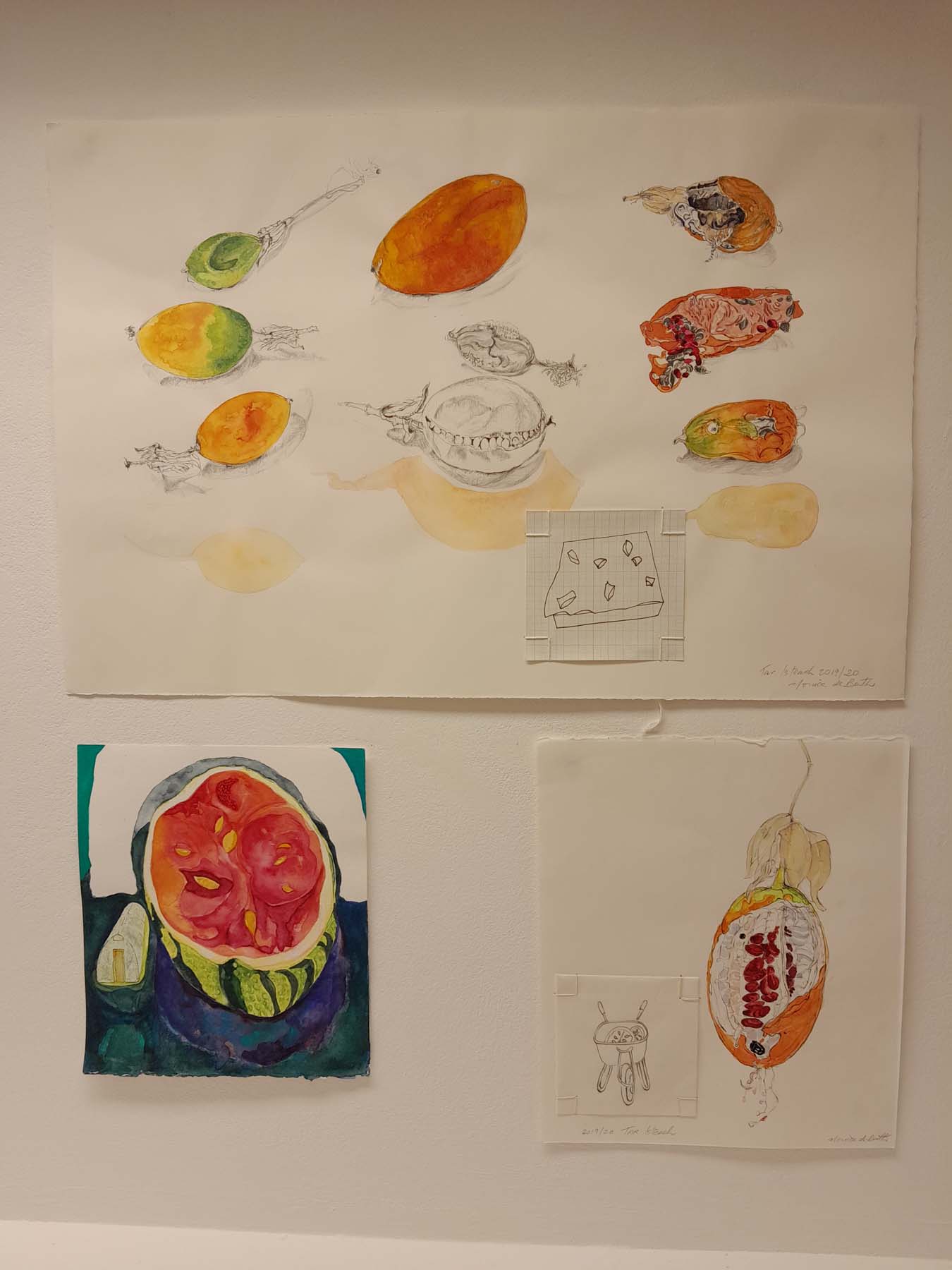
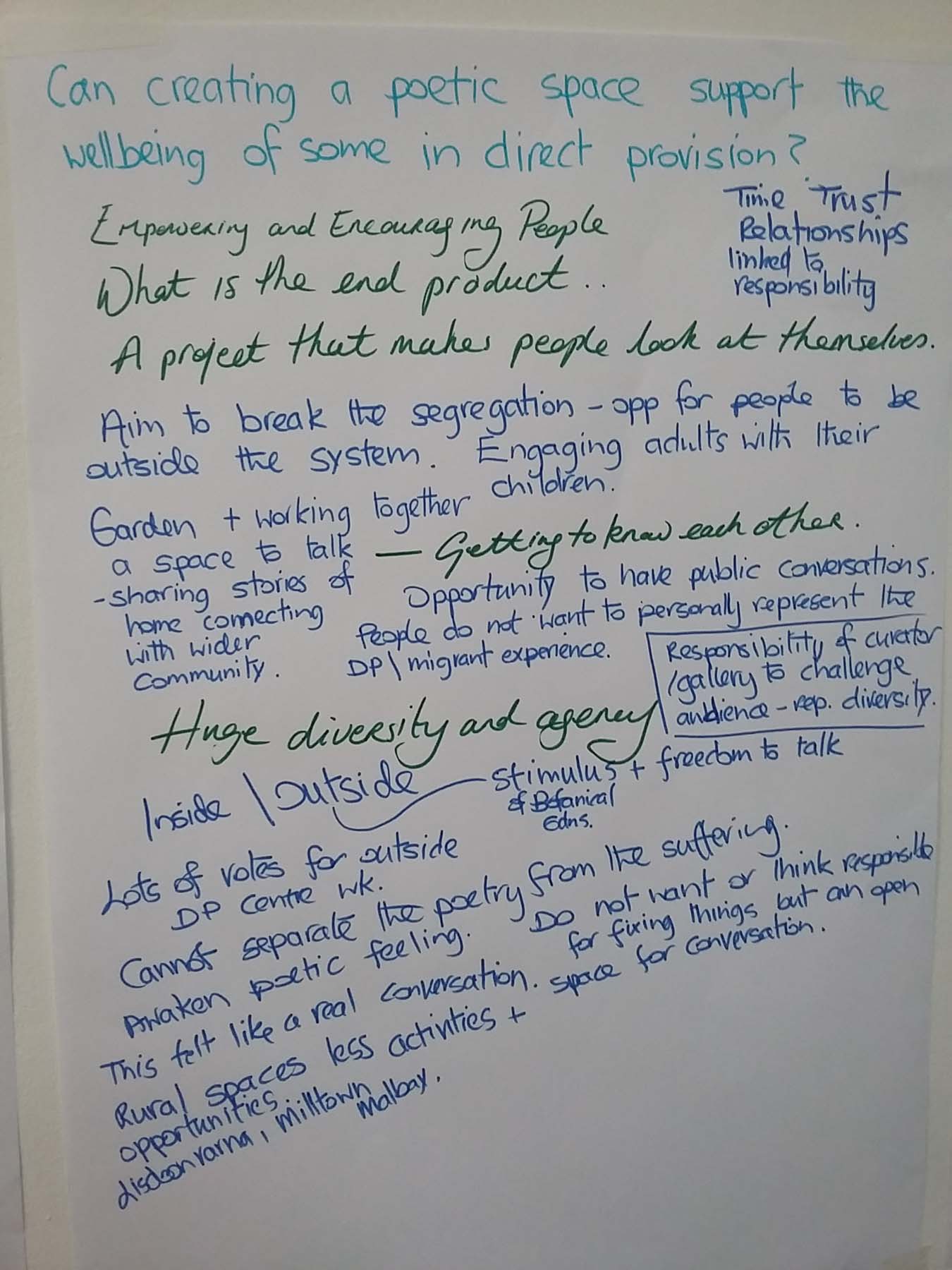
Monica de Bath was involved in a collaborative garden project linked to Galway’s Eglinton Direct Provision Centre, using the act of working the soil as a way to reflect on community, climate, and identity. Planting, cultivating, and sharing agricultural knowledge fostered collaboration between native and newcomer communities, offering a non-ephemeral, practical expression of belonging and sustainability.
Round Tables
Two round table discussions brought together new Irish participants, artists, Tar Isteach partners and experts, including:
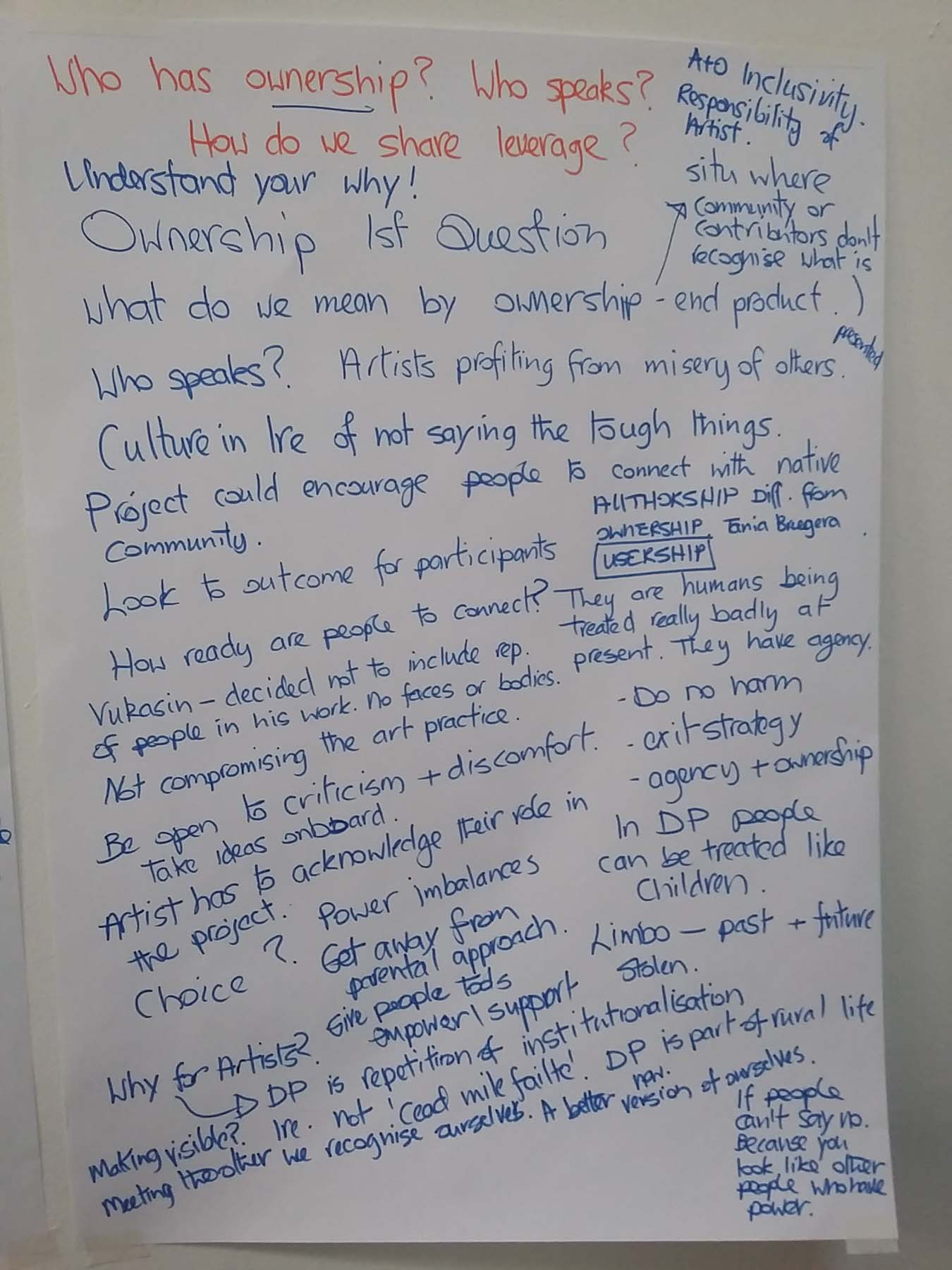
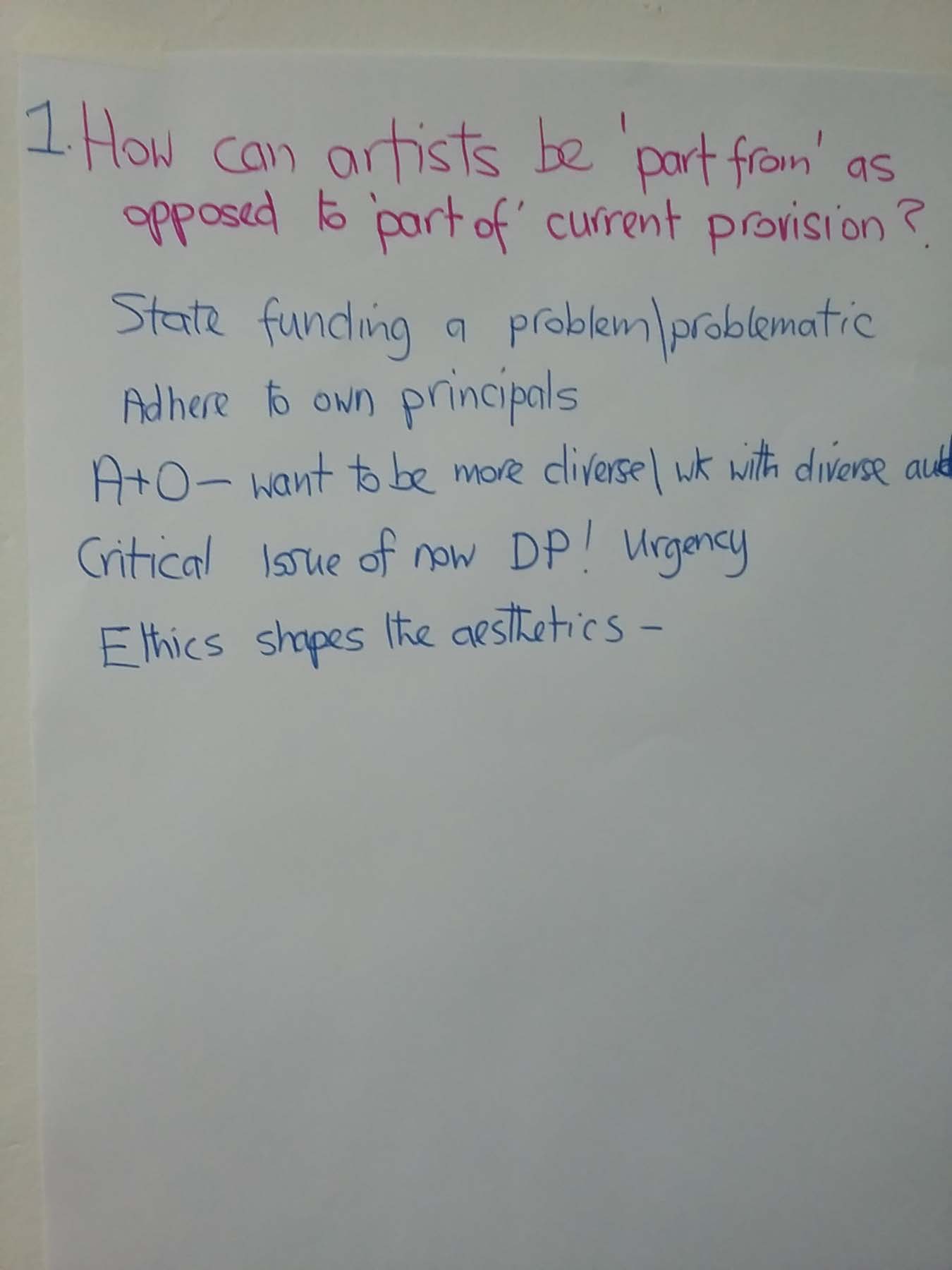
These gatherings became vital spaces for critical dialogue about migration, belonging, and the ethics of hospitality.
Voices from the Project
“Where you live, the space affects the way you think, the way you see the world, so the most important thing it affects is your well being. I remember a phrase saying, ‘For a bird who lives in a cage, flying is prohibitive – a crime’. … If we all had a chance to live in a poetic supportive environment we would have a better world.”
– Romina B
Outcomes
- Exhibition at The Courthouse Gallery and Studios, showcasing collaborative artworks.
- Two round tables connecting migrants, activists, artists, and institutions.
- Residency at IMMA, offering space for reflection and development.
- Sustained collaborations between communities and individuals across Clare, Galway, and Roscommon.
- Expanded artistic practice for the Ground Up collective, rooted in long-term, place-based engagement.
Reflections
Migration is both a physical and cultural act. One may acquire aspects of a new national identity, but it is nearly impossible to relive a childhood, change physicality, transform language, or reinvent family ties.
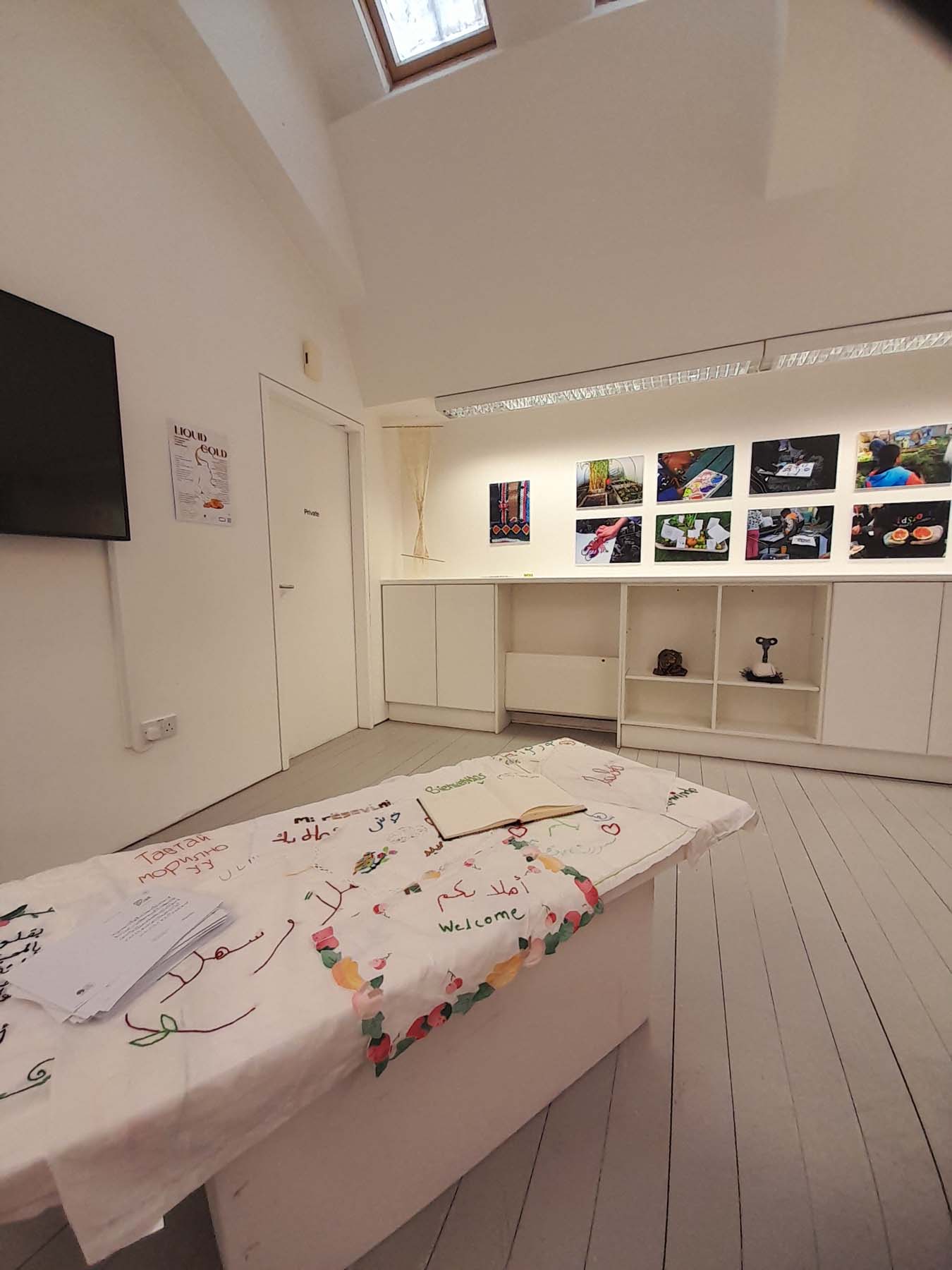
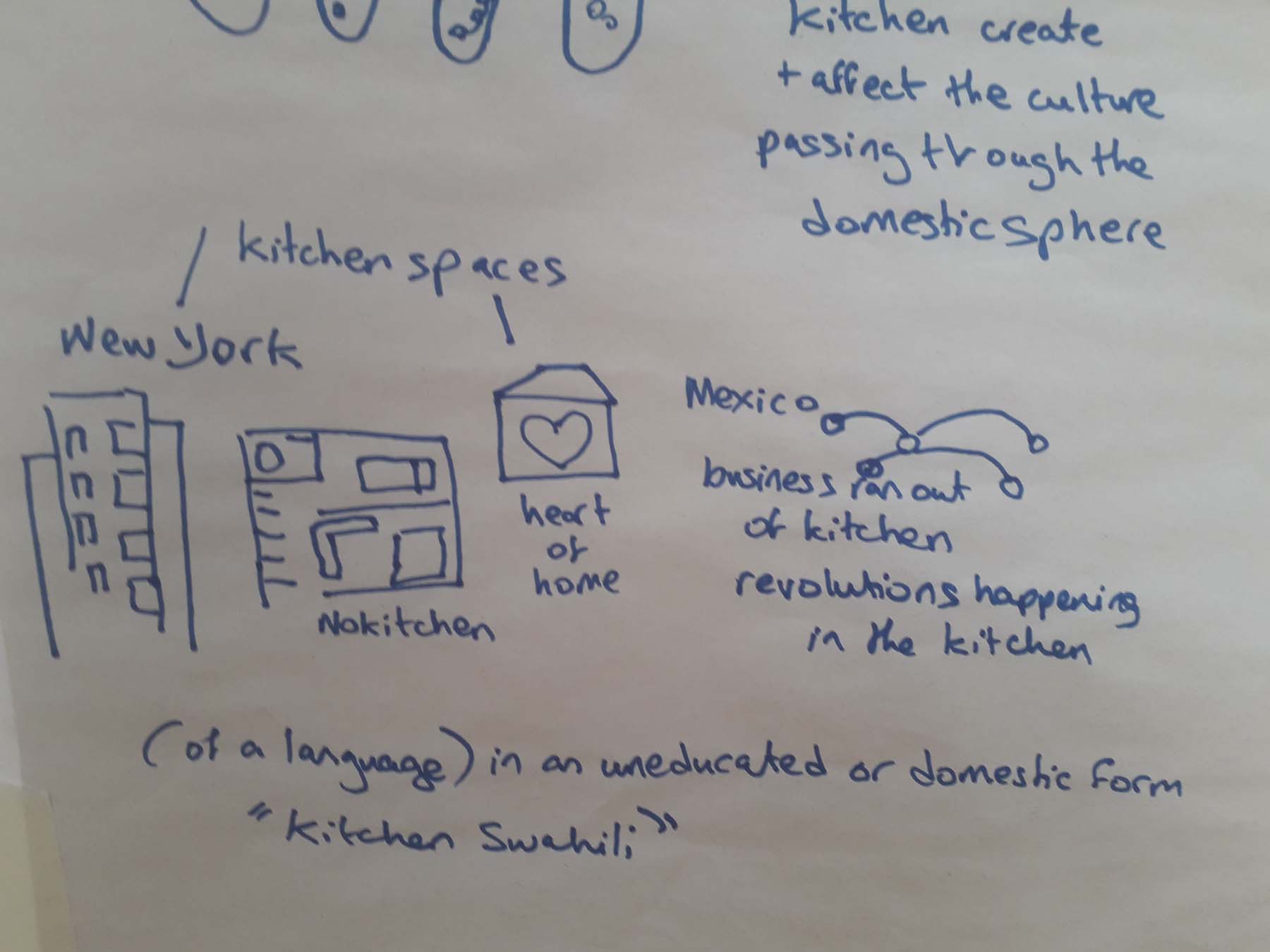
Tar Isteach | Come In became a visual demonstration of seam between New and / Irish. It foregrounded the everyday realities of migration – from the absence of kitchens in Direct Provision, to the re-rooting of agricultural knowledge, to the act of hosting cultural festivals in a new land and inviting others to sit at the table.
Ultimately, the project offered more than encounters; it created moments of agency, connection, and critique, gently reimagining what it means to “come in” and belong in contemporary Ireland.
Carrying this thread forward, Collins found herself drawn to the most intimate and personal site of care and welcome: breastfeeding. In her next project, LIQUID GOLD, she explored breastfeeding as a profound form of hospitality—an act of nourishment, trust, and reciprocity that begins at the very threshold of life. Here, the ethics of welcome become corporeal, private, and tender, yet still profoundly social, echoing the same concerns with connection, dignity, and shared vulnerability that shaped Tar Isteach.
Tar Isteach was made possible through the support of Bealtaine Age & Opportunity, Clare County Council, Galway City Council, Roscommon County Council, and IMMA.